
Blog
Overwrapping Machine: An Essential Solution for Modern Packaging

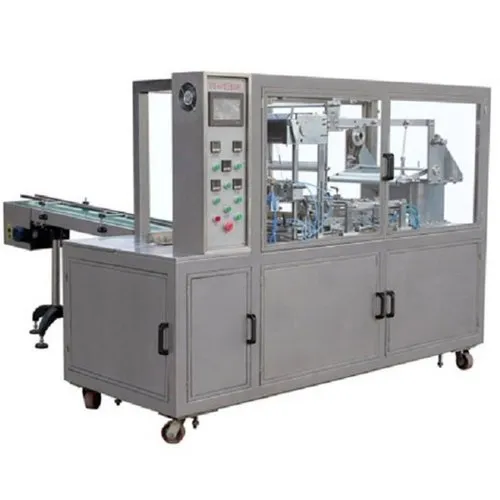
An overwrapping machine is a specialized piece of packaging equipment used to cover products with a protective film. It is designed to create neat, secure, and consistent packages while reducing the amount of manual work required during production. These machines are used across many industries, including food, cosmetics, pharmaceuticals, consumer products, electronics, and general manufacturing.
Modern packaging operations require speed, consistency, and attractive presentation. An overwrapping machine can help businesses achieve these goals by automating film feeding, product wrapping, folding, sealing, and cutting. Depending on the machine design, additional functions such as coding, counting, inspection, and automatic product feeding can also be included.
What Is an Overwrapping Machine?
An overwrapping machine is packaging equipment that places a flexible wrapping material around a product or existing package. The machine folds the material around the item and seals it to create a finished package.
The process can be used for individual products or groups of products. Depending on the equipment, manufacturers can adjust the wrapping format to accommodate different dimensions and package styles.
Unlike manual wrapping, automated overwrapping provides greater consistency. Each product can receive a similar amount of film with comparable folds and seals.
This makes the technology useful for businesses that need professional packaging at a larger production scale.
Why Is Overwrapping Important?
Packaging serves more purposes than simply covering a product. It can help protect products during transportation, storage, and handling.
An overwrapped package can provide a barrier against dust and routine handling. Suitable packaging materials can also offer additional protection from environmental conditions.
Overwrapping also improves presentation. A clean and evenly folded package can create a professional appearance on retail shelves.
Printed wrapping materials provide another advantage. Businesses can use them to display branding, product information, promotional messages, or other visual elements.
How Does an Overwrapping Machine Work?
The overwrapping process generally begins with a roll of packaging film. The machine feeds the material into the wrapping area at a controlled speed.
The product is positioned on a conveyor or feeding mechanism. The film is then guided around the product.
As the product moves through the machine, the film is folded along specific areas to create the required package shape. Sealing components close the wrapping material around the product.
The machine then cuts the film to separate one package from the next.
Some advanced machines perform all these operations automatically. Sensors and control systems help coordinate product movement and film handling.
Key Components of an Overwrapping Machine
An overwrapping machine consists of several important components.
The film feeding system controls the movement of the wrapping material. Consistent film feeding is necessary for uniform packages.
The product feeding system moves products into the correct position. It may include conveyors, belts, guides, or automatic feeders.
The folding mechanism wraps the film around the product. Different folding configurations can be used for different package designs.
The sealing unit closes the film. It may use heat, pressure, adhesive, or another suitable sealing method.
The cutting system separates individual packages.
Other components can include sensors, touchscreen controls, coding units, counters, inspection systems, and safety guards.
Different Types of Overwrapping Equipment
Overwrapping machines are available in several configurations.
Horizontal overwrapping machines are commonly used for products that can move through the equipment on a conveyor. They can handle individual products and certain multipack formats.
Semi-automatic machines require operators to perform some activities, such as product loading. They can be suitable for businesses with moderate production volumes.
Fully automatic machines perform most packaging functions with limited operator intervention. They are often selected for continuous and high-volume production.
Specialized machines can also be designed for unusual product shapes, sizes, or packaging materials.
Choosing the correct machine depends on production requirements and the characteristics of the products being packaged.
Materials Used in Overwrapping
Different wrapping materials can be used depending on the application.
Plastic films are widely used because they can provide flexibility, transparency, strength, and suitable sealing characteristics.
Paper-based materials can be selected when manufacturers want a different visual appearance or specific packaging properties.
Printed films can support branding and product communication. Businesses can include logos, patterns, product details, and promotional designs.
The material should always be compatible with the machine’s folding and sealing system.
Factors such as product sensitivity, storage conditions, transportation requirements, appearance, and environmental goals should also be considered when selecting packaging material.
Major Benefits of Overwrapping Machines
Using an overwrapping machine can provide several benefits to a manufacturing or packaging operation.
Consistent packaging is one of the most important advantages. Automated equipment can maintain similar wrapping dimensions and sealing patterns throughout production.
Higher productivity is another benefit. Machines can package products continuously and reduce the time required for manual wrapping.
Other advantages include:
- Reduced labor requirements
- Consistent package appearance
- Faster production cycles
- Improved product presentation
- Flexible packaging formats
- Better film control
- Reduced manual handling
- Opportunities for printed branding
Automation can also make packaging processes easier to monitor and standardize.
Industries That Use Overwrapping Machines
Overwrapping technology is used in many industries.
Food manufacturers can use it for selected bakery products, confectionery items, trays, and other packaged goods.
Cosmetic and personal care companies may use overwrapping for boxes, promotional sets, and retail products.
Consumer goods manufacturers can package household products, accessories, stationery, and small retail items.
Other applications can include:
- Electronics accessories
- Hardware
- Gift products
- Promotional items
- Industrial components
- Medical products
- Household goods
- Retail packages
The exact machine configuration depends on the product and required packaging format.
Automatic Features and Technology
Technology has made modern overwrapping machines more efficient and easier to control.
Automatic product feeders can reduce manual loading. Sensors can monitor product position and film movement.
Modern control panels can allow operators to adjust speed and packaging settings quickly.
Some machines can integrate coding systems that add production information to packages. Vision systems can inspect products and identify certain packaging defects.
Automatic rejection mechanisms can remove defective packages from the production line.
These technologies can improve consistency while reducing repetitive operator tasks.
Product Protection and Presentation
An important function of overwrapping is protecting the packaged product from routine external exposure.
The wrapping material can help reduce contact with dust and handling during transportation and storage. The exact level of protection depends on the selected film and package design.
Presentation is equally important for retail products. Even folds, clean seals, and consistent package dimensions can create a professional appearance.
Manufacturers can combine transparent materials with printed designs to create packaging that protects the product while supporting brand visibility.
Sealing Quality and Package Integrity
Sealing quality directly affects the final package. Inconsistent seals can create loose film, poor appearance, or reduced package integrity.
Important sealing factors include temperature, pressure, machine speed, sealing time, and material compatibility.
Operators should use suitable settings for each packaging material. Regular inspections can help identify incomplete seals, wrinkles, damaged film, or other problems.
Keeping sealing components clean and properly maintained can also improve consistency.
Maintenance and Machine Care
Regular maintenance is essential for reliable machine operation.
Operators should inspect film guides, sealing components, cutting mechanisms, conveyors, sensors, and moving parts according to recommended schedules.
Cleaning is also important. Film residue and dust can interfere with machine movement and sealing.
Preventive maintenance can reduce unexpected downtime and extend equipment life. Worn components should be replaced before they create larger problems.
Proper operator training is another important part of machine care.
Choosing the Right Overwrapping Machine
Before purchasing equipment, businesses should evaluate their actual packaging requirements.
Product size and shape should be considered first. The machine must accommodate the dimensions without creating feeding or wrapping problems.
Production volume determines the required machine speed and automation level.
Businesses should also evaluate film compatibility, changeover requirements, available floor space, maintenance needs, and technical support.
Other factors include:
- Machine reliability
- Sealing technology
- Safety features
- Control system
- Film consumption
- Spare parts availability
- Installation requirements
- Total ownership cost
A careful evaluation can help businesses avoid purchasing equipment that is either too limited or unnecessarily complex.
Improving Packaging Line Efficiency
An efficient packaging line depends on more than machine speed. Proper product feeding, film handling, maintenance, and operator training all influence performance.
Manufacturers can reduce downtime by planning regular maintenance and keeping commonly needed replacement parts available.
Fast changeovers can be useful when multiple products are packaged on the same equipment.
Monitoring production data can also identify problems. Tracking film waste, rejected packages, machine stoppages, and output can reveal opportunities for improvement.
Choosing appropriate film dimensions can further reduce material waste.
Conclusion
An overwrapping machine is an effective solution for businesses seeking consistent, efficient, and professional product packaging. By automating film feeding, wrapping, folding, sealing, and cutting, these machines can reduce manual work and support higher production efficiency.
The right machine depends on product characteristics, packaging material, production volume, automation requirements, and package design. Regular maintenance and quality monitoring are equally important for reliable operation.
With suitable equipment and careful planning, overwrapping technology can help manufacturers improve packaging consistency, protect products during handling, and create an attractive presentation for customers.


JNETOTO and Togel Online: A Complete Guide

Hanne Norgaard Ethnicity: Heritage, Background, and Cultural Identity

The Complete Guide to Reviewing M88 Sports Games and Platform Features

Gareth Varey: The Architect of Modern Artist Management

Liza Tarbuck Illness: Health, Career, and Public Awareness

Jeffrey Donaldson Daughter Claire: Family Life, Privacy, and Personal Influence
-
 Fashion8 months ago
Gareth Varey: The Architect of Modern Artist Management
-
 CALEBRITIES9 months ago
Liza Tarbuck Illness: Health, Career, and Public Awareness
-
 Politics8 months ago
Jeffrey Donaldson Daughter Claire: Family Life, Privacy, and Personal Influence
-

 Business9 months ago
son simon now simon anthony blackburn: From Celebrity Son to Private Life
-

 Entertainment9 months ago
Alice Bhandhukravi Illness: Separating Fact from Rumor and Understanding Her Health Status
-

 Politics8 months ago
Piers Pottinger: A Comprehensive Profile of a PR and Corporate Communications Veteran
-

 Sports8 months ago
Desislava Bozhilova Married: Exploring Public Curiosity and a Strongly Guarded Private Life
-

 Business9 months ago
Is Peter Cardwell Married? A Deep Dive Into His Life, Career, and Personal Relationships