
Blog
Graphite Molds: A Complete Guide to Their Uses, Benefits, and Manufacturing

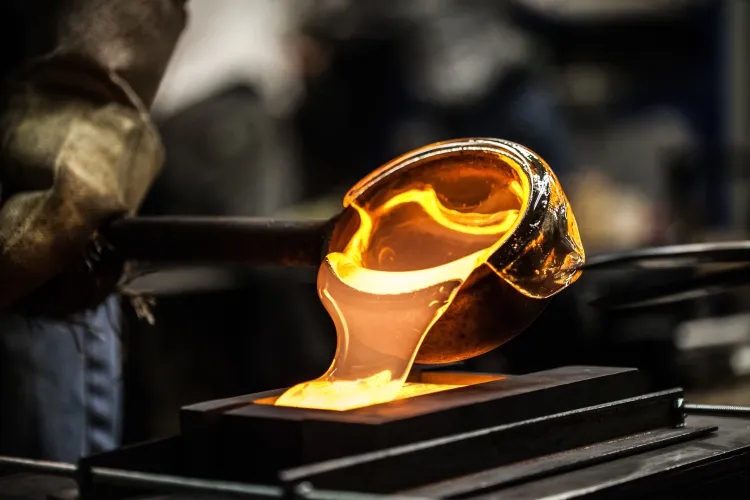
Graphite molds are widely used in modern manufacturing because they can handle high temperatures and provide reliable performance. These molds are made from high-quality graphite, a carbon-based material known for its excellent thermal properties. Industries use graphite molds for casting metals, producing glass products, creating semiconductor components, and manufacturing many other precision parts.
The demand for graphite molds continues to grow because manufacturers need materials that can withstand extreme working conditions. Unlike many traditional mold materials, graphite can tolerate intense heat while maintaining its shape and performance. It also offers good thermal conductivity, machinability, and resistance to thermal shock. This article explains what graphite molds are, how they work, their major benefits, common applications, and important factors to consider when choosing them.
What Are Graphite Molds?
Graphite molds are specially designed tools made from natural or synthetic graphite. They are used to shape molten materials into specific forms. The material is machined into a desired cavity or design, and molten metal, glass, or another material is placed inside. After cooling or solidifying, the finished product is removed from the mold.
Graphite is an excellent choice for high-temperature processes. Its structure allows it to perform well under extreme heat without melting under normal industrial casting conditions. Graphite also expands less than many other materials when exposed to temperature changes. This helps manufacturers maintain better dimensional accuracy during production.
The design of graphite molds can vary greatly. Some molds are simple blocks with basic cavities, while others contain detailed and complex shapes. Modern machining technology makes it possible to manufacture highly precise graphite components for specialized industrial applications.
How Graphite Molds Work
The basic working process of graphite molds is relatively simple. First, the graphite material is selected according to the required application. The manufacturer then machines the graphite into the desired shape using precision equipment.
Once the mold is prepared, the material being formed is heated until it becomes molten or soft enough to take the shape of the cavity. The heated material is then poured, injected, or pressed into the mold. Because graphite has excellent thermal conductivity, heat can move efficiently through the mold.
After the material cools and solidifies, the finished component is removed. Depending on the production process, the mold may be cleaned and reused multiple times. The exact performance and lifespan depend on the type of graphite, operating temperature, material being cast, and maintenance practices.
Key Benefits of Using Graphite Molds
One of the biggest advantages of graphite molds is their ability to withstand high temperatures. This makes them useful in industries where ordinary materials may crack, deform, or wear out quickly.
Another important benefit is thermal conductivity. Graphite transfers heat efficiently, which can support more controlled heating and cooling processes. Consistent temperature distribution can also improve the quality of finished products.
Graphite is also relatively easy to machine compared with many hard metals. Manufacturers can create complex cavities, detailed shapes, and precise designs with specialized machining equipment. This flexibility makes graphite suitable for custom production requirements.
Other key advantages include:
- Excellent resistance to high temperatures
- Good thermal conductivity
- Resistance to thermal shock
- Easy machining and customization
- Good dimensional stability
- Low friction properties
- Suitable for complex mold designs
- Useful for repeated industrial processes
These benefits make graphite molds a practical solution for many specialized manufacturing environments.
Graphite Molds for Metal Casting
Metal casting is one of the most common applications for graphite molds. Molten metals can be poured into carefully designed graphite cavities to create bars, rods, rings, ingots, and other components.
Different metals may require different mold designs and graphite grades. Gold, silver, copper, aluminum, and other metals can be processed using graphite tooling under appropriate conditions. The mold must be designed according to the melting temperature and behavior of the material.
Graphite molds are particularly valuable when manufacturers need precise shapes and smooth surfaces. The ability to machine graphite accurately allows companies to produce custom casting tools for specific products.
However, proper process control remains important. Temperature, pouring speed, mold condition, and cooling time can all affect the quality of the final product. Selecting the correct graphite grade is also essential for achieving reliable performance.
Applications in Jewelry Manufacturing
The jewelry industry uses graphite molds for casting precious metals into detailed shapes. Rings, pendants, decorative pieces, and other components can require accurate dimensions and fine details.
Graphite can be machined into customized patterns, making it useful for specialized jewelry production. Its ability to handle high temperatures also makes it suitable for processes involving molten precious metals.
For small-scale manufacturers and larger production facilities, custom graphite molds can help create consistent product shapes. The mold design may include channels, cavities, and other features that support the casting process.
Proper maintenance is important because repeated exposure to heat and metal can gradually affect the mold surface. Cleaning and careful handling can help extend the working life of the mold and maintain product quality.
Graphite Molds in the Glass Industry
Graphite molds are also used in glass manufacturing and forming processes. Hot glass can be shaped using graphite tooling because the material performs well at elevated temperatures.
The low friction characteristics of graphite can support smoother forming processes. Graphite can also be machined into complex profiles, allowing manufacturers to create customized glass shapes.
Applications may include specialty glass products, optical components, decorative items, and industrial glass parts. The exact mold design depends on the type of glass and the manufacturing method.
Manufacturers must select graphite carefully based on density, grain structure, strength, and thermal performance. A properly designed mold can improve consistency and reduce production problems.
Importance of Graphite Grade and Material Quality
Not all graphite materials offer the same properties. The performance of graphite molds depends heavily on the grade and quality of the graphite used.
Fine-grain graphite can be useful when smooth surfaces and detailed machining are required. Other grades may offer better strength, density, or resistance to specific operating conditions.
Important properties to consider include:
- Grain size
- Density
- Mechanical strength
- Thermal conductivity
- Electrical conductivity
- Porosity
- Oxidation resistance
- Maximum operating temperature
Choosing the wrong material can lead to reduced mold life or poor product quality. Manufacturers should therefore match the graphite grade to the specific production process.
Custom Manufacturing of Graphite Molds
Many industrial applications require custom graphite molds instead of standard designs. Custom manufacturing allows engineers to create mold cavities that match the exact dimensions of a product.
The process usually begins with a design or technical drawing. Computer-aided design software can help define dimensions, tolerances, channels, and other important features.
The graphite block is then machined using suitable equipment. CNC machining is often used when complex or precise designs are required. After machining, the mold may undergo inspection to ensure that it meets the required specifications.
Custom production provides several benefits. Manufacturers can improve product consistency, reduce unnecessary material waste, and create specialized components that standard molds cannot produce.
How to Maintain Graphite Molds
Proper maintenance can help extend the service life of graphite molds. Although graphite performs well in demanding conditions, it can still be damaged by rough handling, contamination, or unsuitable operating procedures.
Molds should be inspected regularly for cracks, wear, or surface damage. Cleaning should be performed carefully to remove residue from previous production cycles.
Avoid unnecessary impacts because graphite can be brittle despite its many useful properties. Proper storage is also important. Molds should be kept in a clean and controlled environment when not in use.
Following the recommended temperature limits and operating procedures can also reduce the risk of damage. Regular maintenance helps manufacturers identify problems before they affect product quality or production efficiency.
Factors to Consider Before Buying Graphite Molds
Before purchasing graphite molds, manufacturers should carefully evaluate their production requirements. Price should not be the only consideration.
First, consider the material that will be cast or formed. Different applications require different levels of temperature resistance and mechanical strength.
Second, review the required dimensions and tolerances. Complex products may need high-precision machining and fine-grain graphite.
Third, consider the expected production volume. A mold used occasionally may have different requirements than one used continuously in an industrial production line.
Finally, choose a reliable manufacturer that understands graphite machining and industrial applications. Clear technical communication can help ensure that the finished mold meets the required specifications.
The Future of Graphite Molds in Manufacturing
As manufacturing technology continues to improve, graphite molds are likely to remain important in many industries. The growing demand for precision components requires materials that can perform reliably under challenging conditions.
Advanced CNC machining and improved graphite materials are making it easier to produce complex and highly accurate mold designs. Industries are also focusing on efficiency, reduced waste, and improved product quality.
Graphite molds support these goals because they can be customized for specific processes. Their thermal performance and machinability make them useful in both traditional manufacturing and advanced industrial applications.
As new technologies develop, graphite tooling may find additional applications in electronics, energy production, aerospace manufacturing, and other specialized fields.
Conclusion
Graphite molds are valuable tools for industries that require high-temperature performance, precision, and reliable material properties. Their excellent thermal conductivity, resistance to thermal shock, and machinability make them suitable for a wide range of manufacturing processes.
From metal casting and jewelry production to glass forming and advanced industrial applications, graphite molds offer flexibility and performance. Choosing the right graphite grade, maintaining the mold properly, and working with an experienced manufacturer can significantly improve results.
As industrial production continues to demand greater precision and efficiency, graphite molds will remain an important solution for creating high-quality components and customized products.


JNETOTO and Togel Online: A Complete Guide

Hanne Norgaard Ethnicity: Heritage, Background, and Cultural Identity

The Complete Guide to Reviewing M88 Sports Games and Platform Features

Gareth Varey: The Architect of Modern Artist Management

Liza Tarbuck Illness: Health, Career, and Public Awareness

Jeffrey Donaldson Daughter Claire: Family Life, Privacy, and Personal Influence
-
 Fashion8 months ago
Gareth Varey: The Architect of Modern Artist Management
-
 CALEBRITIES9 months ago
Liza Tarbuck Illness: Health, Career, and Public Awareness
-
 Politics8 months ago
Jeffrey Donaldson Daughter Claire: Family Life, Privacy, and Personal Influence
-

 Business9 months ago
son simon now simon anthony blackburn: From Celebrity Son to Private Life
-

 Entertainment9 months ago
Alice Bhandhukravi Illness: Separating Fact from Rumor and Understanding Her Health Status
-

 Politics8 months ago
Piers Pottinger: A Comprehensive Profile of a PR and Corporate Communications Veteran
-

 Sports8 months ago
Desislava Bozhilova Married: Exploring Public Curiosity and a Strongly Guarded Private Life
-

 Business9 months ago
Is Peter Cardwell Married? A Deep Dive Into His Life, Career, and Personal Relationships