
Blog
Variegated Ficus Tree: A Beautiful Guide to Growing and Caring for This Unique Plant

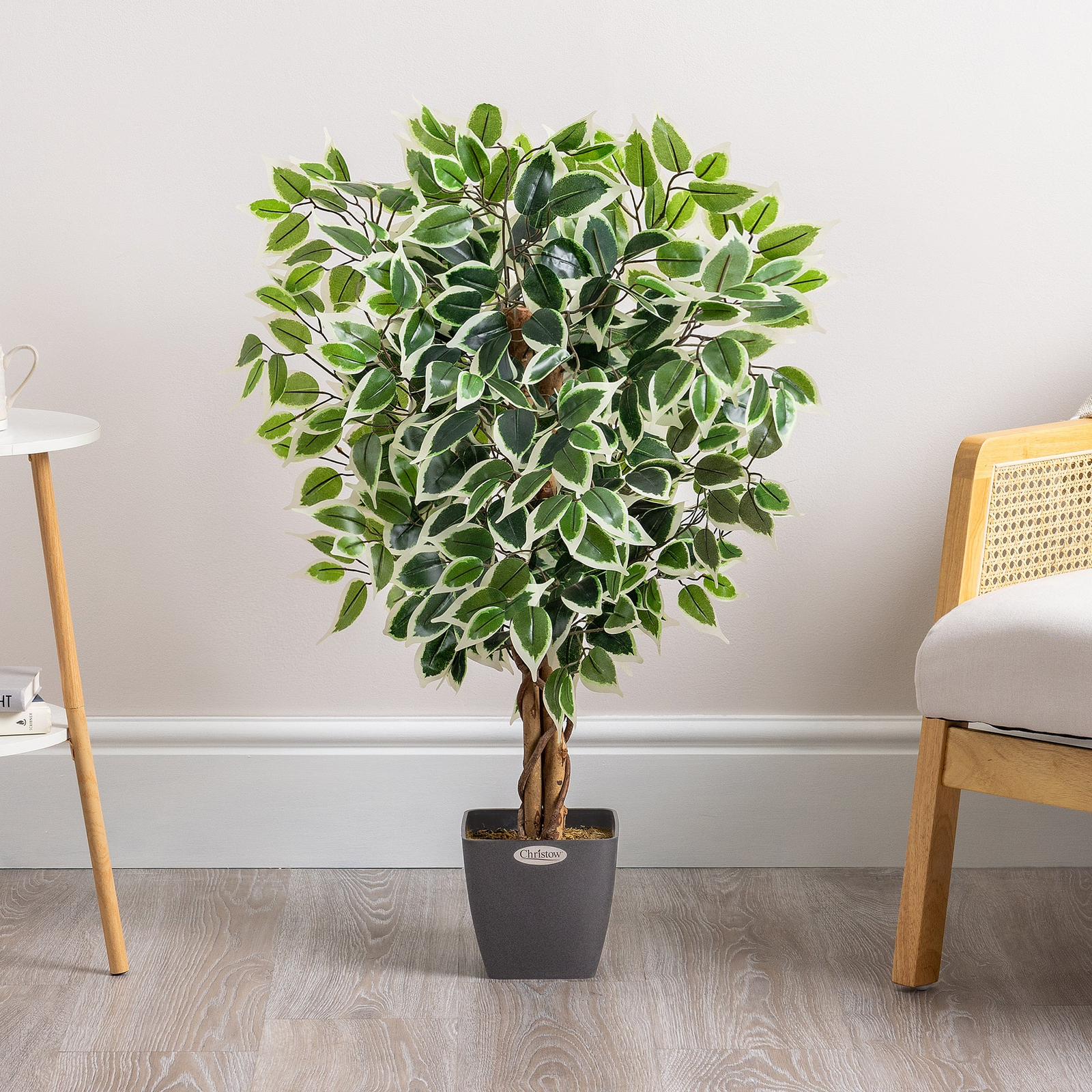
The variegated ficus tree is a beautiful houseplant known for its colorful leaves and elegant growth. Unlike many green-leaf plants, this ficus has leaves with different shades of green, cream, white, or yellow. These patterns make the plant look bright and attractive, which is why it is popular for homes, offices, patios, and indoor gardens.
Variegated ficus trees can add a fresh and natural feeling to almost any space. They are also useful for people who want a plant with a more interesting appearance than a standard green ficus. With the right light, water, soil, and care, a variegated ficus can grow well and remain attractive for many years.
What Is a Variegated Ficus Tree?
A variegated ficus tree is a ficus plant with leaves that contain more than one color. The word “variegated” refers to the natural patterns or areas of different colors found on the leaves. Depending on the variety, the leaves may have green and cream edges, white spots, yellow sections, or a mixture of several shades.
There are several ficus varieties that can show attractive variegation. Some grow as small indoor trees, while others can become larger plants when grown outdoors in a suitable climate. Their attractive foliage is one of their biggest features.
These plants are often chosen for interior decoration because their leaves can brighten darker-looking rooms. A healthy plant can also become a natural focal point in a living room, bedroom, office, or entryway.
Why Choose a Variegated Ficus Tree?
There are many reasons to consider adding a variegated ficus tree to your plant collection. The first is its appearance. The light patterns on its leaves create a beautiful contrast that can make a room feel more lively.
Another benefit is its flexible use. A young ficus can be kept in a pot and placed indoors, while a larger plant may work well on a covered patio or balcony when local weather conditions are suitable. With pruning, its shape can also be managed to fit the available space.
A variegated ficus can also be a rewarding plant for people who enjoy caring for greenery. Watching new leaves appear and maintaining the plant’s shape can become an enjoyable part of indoor gardening.
Choosing the Right Location
Light is one of the most important factors when growing a variegated ficus tree. Plants with variegated leaves usually need good light to maintain their attractive patterns. A bright location with plenty of indirect sunlight is often a good choice.
A spot close to a bright window can work well. However, very strong direct sunlight through glass may sometimes cause leaf damage, especially if the plant has not been slowly introduced to stronger light.
Try to keep the plant away from cold drafts, heating vents, and sudden temperature changes. A stable environment can help reduce stress and support healthy growth.
Watering Your Variegated Ficus
Correct watering is important for keeping a variegated ficus tree healthy. The soil should not remain completely dry for long periods, but it should also not stay constantly wet.
Before watering, check the upper part of the soil with your finger. If it feels dry, the plant may need water. When watering, provide enough water to moisten the soil evenly, and make sure excess water can drain from the pot.
Overwatering is a common problem with indoor plants. Water that remains around the roots for too long can create unhealthy root conditions. Using a pot with drainage holes can help prevent this problem.
Soil and Pot Requirements
A variegated ficus tree grows best in soil that provides both moisture and good drainage. A quality indoor potting mix can be suitable, especially when it allows extra water to move away from the roots.
The pot should have drainage holes at the bottom. This is important because the roots need access to air as well as moisture. A container that is too large can also hold extra moisture, so choose a pot that matches the plant’s current size.
As the ficus grows, it may eventually need to be moved into a slightly larger container. Repotting is usually best done carefully so the roots are disturbed as little as possible.
Temperature and Humidity Needs
Variegated ficus trees generally prefer warm and stable conditions. They can react poorly to sudden changes in temperature, cold air, or strong drafts.
Indoor temperatures that are comfortable for people are often suitable for these plants. Avoid placing the ficus directly beside an air conditioner, heater, or frequently opened cold window.
Moderate humidity can also support healthy foliage. If indoor air is very dry, especially during certain seasons, the leaves may benefit from a more humid environment. Keeping the plant away from extremely dry air can help maintain its appearance.
Pruning and Shaping the Plant
Pruning can help a variegated ficus tree maintain an attractive shape. It can also encourage a fuller appearance when done correctly. Remove dead, damaged, or unwanted growth with clean pruning tools.
If the plant is becoming too tall or uneven, carefully trimming selected branches can help control its size. Avoid removing too much growth at one time because this can place unnecessary stress on the plant.
Regularly turning the pot can also help the plant grow more evenly. If one side receives much more light than the other, the ficus may lean toward the brighter area.
Common Problems to Watch For
Like other houseplants, a variegated ficus tree can experience problems when its growing conditions are not suitable. Yellowing leaves, leaf drop, slow growth, or brown edges may be signs that the plant is under stress.
Changes in light, watering, temperature, or location can sometimes cause a ficus to drop leaves. This does not always mean the plant is dying. However, it is useful to check its basic care conditions when problems appear.
Pests can also affect ficus plants. Look closely at the leaves and stems from time to time. Early attention can make pest problems easier to manage.
How to Keep the Leaves Beautiful
The colorful leaves are the main attraction of a variegated ficus tree, so keeping the foliage clean and healthy is important. Dust can collect on indoor plant leaves and make them look dull.
Gently wiping the leaves with a soft, clean, damp cloth can help remove dust. Be careful when handling variegated leaves because some varieties can be more delicate.
Good lighting, suitable watering, and stable temperatures are also important for maintaining healthy foliage. If new growth begins to lose its attractive pattern, review the plant’s light and general growing conditions.
Variegated Ficus Tree for Indoor Spaces
A variegated ficus tree can be an excellent choice for people who want a decorative indoor plant. Its patterned leaves can complement modern, traditional, or simple home designs.
A smaller ficus can fit on a plant stand or table, while a larger one can be used as a floor plant. Place it where it receives enough bright light and where there is enough room for its branches to develop.
The plant can also make an office or workspace feel more natural. A well-maintained ficus can provide a strong decorative feature without requiring complicated daily care.
Tips for Buying a Variegated Ficus Tree
When buying a variegated ficus tree, look for a plant with healthy leaves, strong stems, and a balanced shape. Avoid plants with large numbers of damaged or severely yellow leaves unless you understand how to help them recover.
Check the soil as well. Extremely wet soil may indicate poor watering practices, while very dry soil may mean the plant has not received enough water.
It is also useful to choose a plant that matches the space you have available. A small young plant may be easier to manage indoors, while a mature tree can create a stronger visual effect but needs more space.
Conclusion
A variegated ficus tree can bring color, beauty, and natural character into a home or office. Its patterned leaves make it different from ordinary green plants, while its tree-like shape gives it a strong decorative presence.
For healthy growth, focus on bright indirect light, careful watering, well-draining soil, suitable temperatures, and occasional pruning. With consistent care and a good growing location, a variegated ficus can remain an attractive part of your indoor plant collection for a long time.


JNETOTO and Togel Online: A Complete Guide

Hanne Norgaard Ethnicity: Heritage, Background, and Cultural Identity

The Complete Guide to Reviewing M88 Sports Games and Platform Features

Gareth Varey: The Architect of Modern Artist Management

Liza Tarbuck Illness: Health, Career, and Public Awareness

Jeffrey Donaldson Daughter Claire: Family Life, Privacy, and Personal Influence
-
 Fashion8 months ago
Gareth Varey: The Architect of Modern Artist Management
-
 CALEBRITIES9 months ago
Liza Tarbuck Illness: Health, Career, and Public Awareness
-
 Politics8 months ago
Jeffrey Donaldson Daughter Claire: Family Life, Privacy, and Personal Influence
-

 Business9 months ago
son simon now simon anthony blackburn: From Celebrity Son to Private Life
-

 Entertainment9 months ago
Alice Bhandhukravi Illness: Separating Fact from Rumor and Understanding Her Health Status
-

 Politics8 months ago
Piers Pottinger: A Comprehensive Profile of a PR and Corporate Communications Veteran
-

 Sports8 months ago
Desislava Bozhilova Married: Exploring Public Curiosity and a Strongly Guarded Private Life
-

 Business9 months ago
Is Peter Cardwell Married? A Deep Dive Into His Life, Career, and Personal Relationships