
Blog
Master Guide to Graphite Stirring Rods: Applications, Maintenance, and Industrial Selection

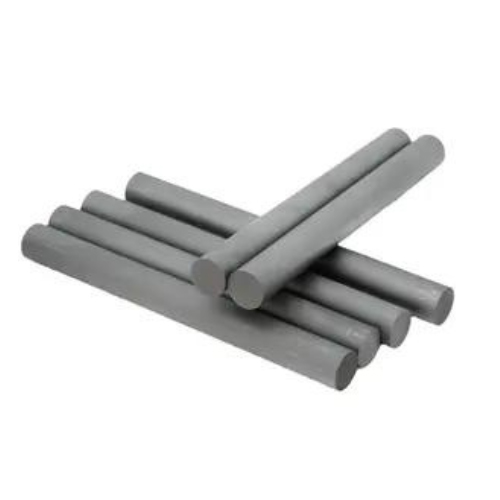
In high-temperature metallurgy, laboratory chemistry, and advanced materials processing, choosing the right tool for fluid manipulation is critical. Among the various equipment options available, the graphite stirring rod stands out as an indispensable component. Renowned for its extraordinary thermal resistance, chemical inertness, and structural stability, this simple yet effective tool ensures consistency and purity in demanding melting and mixing processes.
Below is an in-depth exploration of graphite stirring rods, covering their core properties, industrial applications, proper maintenance, and buying considerations.
What is a Graphite Stirring Rod?
A graphite stirring rod is a cylindrical tool fabricated from high-purity crystalline carbon. Unlike standard glass, ceramic, or metallic stirrers, graphite rods are designed to survive thermal environments that would melt or shatter other materials.
Graphite exists as an allotrope of carbon where atoms are arranged in a hexagonal lattice structure. This unique atomic configuration grants the material high electrical and thermal conductivity while maintaining structural integrity at extreme temperatures exceeding 3,000°C (in inert or vacuum environments). When crafted into rods, graphite serves as a durable, non-contaminating implement for stirring molten metals, precious alloys, acidic solutions, and slag.
Key Physical and Chemical Properties
Understanding why graphite is preferred over alternative materials requires examining its intrinsic material characteristics:
- Extreme Thermal Shock Resistance: Graphite can endure rapid temperature changes without cracking or fracturing. This makes it ideal for dipping into molten metals directly at room temperature.
- Non-Wetting Behavior: Liquid metals such as gold, silver, copper, and aluminum do not easily adhere to smooth graphite surfaces, minimizing material loss during processing.
- Chemical Inertness: Graphite resists chemical reaction with most acids, bases, fluxing agents, and molten slags, preventing contamination of the melt.
- Low Thermal Expansion: Its minimal coefficient of thermal expansion ensures that the rod retains its dimensions and structural strength under high heat.
- High Oxidation Threshold: While graphite oxidizes in the presence of oxygen at temperatures starting around 400°C, high-density variants and protective coatings significantly delay this process.
Primary Applications in Industry and Research
The unique properties of graphite rods allow them to perform critical functions across several key industries:
1. Precious Metal Refining and Casting
Jewelers, refiners, and mints rely heavily on graphite rods when melting gold, silver, platinum, and palladium. Because graphite does not introduce impurities into the melt, it helps maintain the fineness and karat purity of the precious metals. Stirring ensures an even heat distribution and complete mixing of alloying elements prior to casting.
2. Non-Ferrous Foundry Operations
In aluminum, copper, brass, and bronze foundries, graphite rods are used to homogenize molten batches, mix in additives, and skim off surface dross or slag. Their resistance to liquid metal attack ensures long service life in continuous casting operations.
3. Chemical Synthesis and Laboratories
In chemical research involving aggressive reagents, strong acids, or high-temperature reactions, glass rods may leach silica or fail under heat. High-purity graphite rods provide a stable alternative for manual or mechanical agitation.
4. Semiconductor and Photovoltaic Production
The silicon manufacturing process requires extreme purity. High-purity, isostatically pressed graphite rods are utilized in silicon crystal growth (Czochralski process) to handle melt batches without introducing metal impurities that could ruin semiconductor efficiency.
Types of Graphite Used for Stirring Rods
Not all graphite stirring rods are created equal. Depending on the application, manufacturers utilize different grades of graphite:
- Extruded Graphite: The most common and cost-effective grade, suitable for general foundry work, alloy stirring, and rough industrial applications where ultra-high purity is not required.
- Vibration Molded Graphite: Offers medium grain size and consistent density. It balances durability with cost, making it ideal for larger-scale metal casting.
- Isostatic Graphite: Manufactured using uniform omnidirectional pressure, this fine-grained, high-density graphite offers superior strength, smooth surface finish, and minimal porosity. It is preferred for precious metals, semiconductors, and precision laboratory applications.
- Pyrolytic Coated Graphite: Standard graphite rods coated with a thin layer of pyrolytic carbon to further reduce oxidation, eliminate dust particles, and increase chemical resistance.
Advantages Over Alternative Materials
Comparing graphite rods to other common stirring materials highlights their technical superiority in high-temperature environments:
- Versus Glass Rods: Glass rods shatter easily under thermal shock and melt at temperatures around 700°C to 1,200°C. Graphite handles temperatures well over 2,000°C without melting.
- Versus Stainless Steel Rods: Steel rods risk melting, warping, or reacting with liquid metals (such as aluminum or copper), causing iron contamination in the melt. Graphite remains chemically inert and unreactive with most non-ferrous alloys.
- Versus Ceramic Rods: Ceramics are prone to severe thermal shock cracking and can be brittle under mechanical force. Graphite combines high heat resistance with flexural strength and shock endurance.
Best Practices for Care and Maintenance
To maximize the operational lifespan of a graphite stirring rod and avoid contaminating melts, follow these maintenance procedures:
Pre-Heating Before Use
Always preheat the graphite rod gradually over the furnace or burner before immersing it into a molten batch. Introducing a cold rod into hot metal can cause minor thermal stress and accelerate surface oxidation due to moisture condensation.
Minimizing Oxidation Exposure
Graphite reacts with atmospheric oxygen at elevated temperatures. To slow down degradation, minimize the time the hot rod is exposed to ambient air. Store hot rods in an inert chamber or cover them when not in actively stirring.
Gentle Handling
Although graphite is structurally sound, fine-grain grades can be brittle. Avoid using the rod as a lever to break heavy surface crusts or apply excessive bending force, as this can snap the rod.
Proper Storage
Store graphite rods in a clean, dry environment. Moisture absorption can lead to internal steam pressure when heated rapidly, which may cause spalling or cracking.
How to Select the Right Graphite Stirring Rod
When purchasing a graphite stirring rod for your operations, consider the following parameters:
- Purity Level: Look for high-purity graphite (carbon content > 99.9%) for precious metals or laboratory synthesis to avoid introducing ash or trace element contaminants.
- Dimensions: Match the length and diameter of the rod to your crucible size. A rod that is too thin may break under hydrodynamic resistance, while a rod that is too thick may displace too much molten volume.
- Density and Porosity: Higher density materials (e.g., 1.80 to 1.90 g/cm³) resist liquid penetration and oxidation significantly better than low-density options.
- Surface Coating: Consider anti-oxidation pyrolytic carbon coatings if the rod will be used repeatedly in open-air furnace conditions.
Final Thoughts
The graphite stirring rod remains an fundamental tool across modern manufacturing, metallurgical casting, and chemical research. Its unmatched ability to survive extreme temperatures without melting, warping, or reacting makes it a reliable asset for maintaining melt purity and quality control. By understanding the different grades, handling procedures, and material characteristics, engineers and technicians can optimize their processes and achieve consistent, high-yield results.


HappyMod: A Complete Guide to the Popular Modded App Platform

Kicker and Kicker Online: A Complete Guide to Football Gaming and Entertainment

Blackops Uncovered: The Full Covert Operations Guide

Gareth Varey: The Architect of Modern Artist Management

Liza Tarbuck Illness: Health, Career, and Public Awareness

son simon now simon anthony blackburn: From Celebrity Son to Private Life
-
 Fashion7 months ago
Gareth Varey: The Architect of Modern Artist Management
-
 CALEBRITIES8 months ago
Liza Tarbuck Illness: Health, Career, and Public Awareness
-
 Business8 months ago
son simon now simon anthony blackburn: From Celebrity Son to Private Life
-

 Politics7 months ago
Jeffrey Donaldson Daughter Claire: Family Life, Privacy, and Personal Influence
-

 Entertainment8 months ago
Alice Bhandhukravi Illness: Separating Fact from Rumor and Understanding Her Health Status
-

 Politics8 months ago
Piers Pottinger: A Comprehensive Profile of a PR and Corporate Communications Veteran
-

 Business8 months ago
Is Peter Cardwell Married? A Deep Dive Into His Life, Career, and Personal Relationships
-

 Sports7 months ago
Desislava Bozhilova Married: Exploring Public Curiosity and a Strongly Guarded Private Life