
Blog
The Complete Guide to Growing and Styling Ficus s Shape

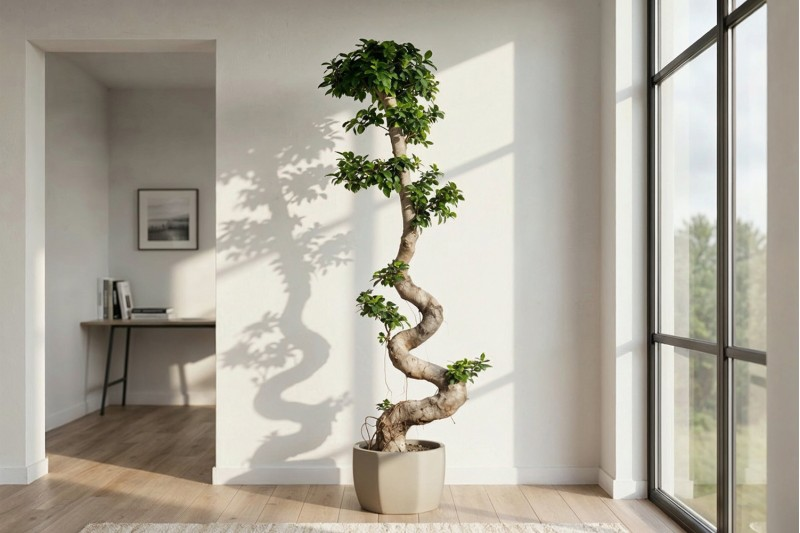
The ficus s shape, often referred to as the S-curved Ficus or S-Ficus, stands as one of the most recognizable and cherished subjects in the world of indoor bonsai. Characterized by its gracefully twisted trunk that mimics the elegant curve of the letter “S,” this magnificent tropical plant combines ancient horticultural art with accessible home greenery. Whether you are an experienced bonsai practitioner or a beginner venturing into plant styling, understanding the unique care requirements, training techniques, and aesthetic qualities of the S-shape Ficus ensures your plant thrives for decades.
Understanding the S-Shape Ficus Bonsai
The S-shape Ficus is typically grown from species such as Ficus retusa, Ficus microcarpa (often sold as Ginseng or Tiger Bark Ficus), or Ficus benjamina. The defining characteristic of this plant is not its natural growth habit, but rather a specialized cultivation technique where young, flexible stems are trained around stakes or bound with thick bonsai wire to form a serpent-like, double-curve trunk.
In bonsai tradition, the S-shape represents the “Moyogi” or informal upright style. This form mimics trees in nature that have weathered winds, heavy snow, or competing sunlight, causing their trunks to bend gracefully as they reach toward the sky. Coupled with thick, glossy evergreen leaves and a robust root structure, the S-shape Ficus brings a living sculpture into any interior space.
Ideal Lighting and Location Requirements
Light is the single most critical factor in maintaining the dense canopy and vivid green foliage of an S-shape Ficus. As a tropical tree native to Southeast Asia, it thrives in warm, bright environments.
Place your S-shape Ficus near a south- or east-facing window where it can receive abundant bright, indirect sunlight. It can tolerate a few hours of direct morning sunlight, which encourages compact leaf growth and shorter internodes. If natural light is limited, especially during winter months, supplement its routine with a full-spectrum LED grow light placed twelve to eighteen inches above the canopy for twelve hours daily.
While the plant loves high light levels, protect it from harsh, scorching afternoon sun behind unshaded glass, as this can burn the leaves. Additionally, keep your Ficus away from cold drafts, air conditioning vents, and radiators, as drastic temperature drops can cause immediate leaf drop.
Watering Techniques and Moisture Control
Proper watering requires a balance between adequate hydration and well-aerated soil. Ficus trees dislike “wet feet,” which leads to root rot, but they also react poorly to complete drought.
Water your S-shape Ficus thoroughly whenever the top inch of the soil feels dry to the touch. Saturate the root ball until water flows freely out of the drainage holes at the bottom of the pot. Allow all excess water to drain completely; never leave the pot sitting in a saucer of standing water.
During the active spring and summer growing seasons, your tree will consume water rapidly and may require watering every few days depending on room humidity and temperature. In late autumn and winter, growth slows, and water intake drops significantly, so always test the moisture level with your finger or a moisture meter before applying water.
Soil Composition and Repotting Guidelines
An S-shape Ficus requires a highly porous, fast-draining soil mix designed specifically for bonsai or tropical container plants. Standard potting soil holds too much moisture and tends to compact over time, suffocating the roots.
An ideal substrate mix consists of equal parts inorganic aggregate (such as akadama, pumice, or lava rock) and organic material (such as fine bark chips). This balance ensures rapid drainage, excellent aeration, and sufficient nutrient retention.
Repot your tree every two to three years in early spring just as new growth begins. During repotting, gently remove the plant from its container, tease out the outer roots, and trim back up to one-third of the root system, focusing on thick, downward-pointing roots. Retain a healthy network of fine feeder roots, then settle the tree into fresh substrate within a container equipped with generous drainage holes.
Pruning and Maintaining the S-Shape Structure
Maintaining the refined S-shape curve requires regular pruning and selective trimming. Left unchecked, a vigorous Ficus will produce long, leggy branches that obscure the primary trunk lines.
Pruning serves two distinct purposes: structural shaping and maintenance trimming. Structural pruning is best done in early spring, where you remove unwanted branches that disrupt the graceful S-curve or cross over the main trunk. Always use sharp, sterilized concave branch cutters to make clean cuts that heal quickly.
Maintenance trimming occurs throughout the growing season. Allow new shoots to grow six to eight leaves, then trim them back to two or three leaves. Cut just above a leaf node pointing in the direction you want new growth to follow. This practice, known as directional pruning, encourages inner ramification and keeps the canopy tight and proportional to the trunk.
Wiring and Advanced Trunk Styling
While mass-produced S-shape Ficus trees arrive pre-shaped, maintaining or exaggerating the trunk curves often requires bonsai wire. Anodized aluminum wire is preferred for Ficus species because it is soft enough to wrap without damaging the tender bark.
Apply wire when the branches or young trunk sections are still flexible. Wrap the wire at a forty-five-degree angle along the stem, ensuring it fits snugly without biting into the bark. Gently bend the branch or trunk into your desired position. Because Ficus trees grow rapidly, check wired sections monthly to prevent the wire from scarring the expanding wood. Remove all wire after three to six months once the stem has set in its new position.
Temperature, Humidity, and Feeding Schedules
S-shape Ficus trees are tropical organisms that thrive in temperatures between 65°F and 80°F (18°C to 27°C). They should never be exposed to temperatures below 55°F (13°C). If you move your tree outdoors for the summer, bring it back inside well before the first autumnal cold snap.
High humidity is equally important. Tropical Ficus species develop atmospheric aerial roots when humidity levels remain consistently above 60%. To boost humidity around your tree, place it on a humidity tray filled with wet pebbles, run a nearby room humidifier, or group it with other house plants.
Feed your S-shape Ficus every two weeks during spring and summer using a balanced liquid fertilizer diluted to half strength. Reduce feeding to once a month during autumn and winter when growth naturally slows down.
Troubleshooting Common Issues and Pests
Even resilient Ficus trees can encounter stress. Leaf drop is the most frequent response to sudden changes in environment, light, or watering habits. If your tree drops leaves after moving it to a new spot, maintain consistent care; it will usually acclimatize and sprout new foliage within a few weeks.
Watch for common indoor pests such as spider mites, scale insects, and mealybugs. Inspect the undersides of leaves and branch crotches regularly. Treat infestations immediately by wiping the foliage with diluted neem oil or insecticidal soap until the pests are fully eradicated.


Stacie Zabka: Life, Family, and Public Profile

HappyMod: A Complete Guide to the Popular Modded App Platform

Kicker and Kicker Online: A Complete Guide to Football Gaming and Entertainment

Gareth Varey: The Architect of Modern Artist Management

Liza Tarbuck Illness: Health, Career, and Public Awareness

son simon now simon anthony blackburn: From Celebrity Son to Private Life
-
 Fashion7 months ago
Gareth Varey: The Architect of Modern Artist Management
-
 CALEBRITIES8 months ago
Liza Tarbuck Illness: Health, Career, and Public Awareness
-
 Business8 months ago
son simon now simon anthony blackburn: From Celebrity Son to Private Life
-

 Politics7 months ago
Jeffrey Donaldson Daughter Claire: Family Life, Privacy, and Personal Influence
-

 Entertainment8 months ago
Alice Bhandhukravi Illness: Separating Fact from Rumor and Understanding Her Health Status
-

 Politics8 months ago
Piers Pottinger: A Comprehensive Profile of a PR and Corporate Communications Veteran
-

 Business8 months ago
Is Peter Cardwell Married? A Deep Dive Into His Life, Career, and Personal Relationships
-

 Sports7 months ago
Desislava Bozhilova Married: Exploring Public Curiosity and a Strongly Guarded Private Life