
Blog
Choosing the Right Sport Court Surfaces for Schools and Outdoor Facilities

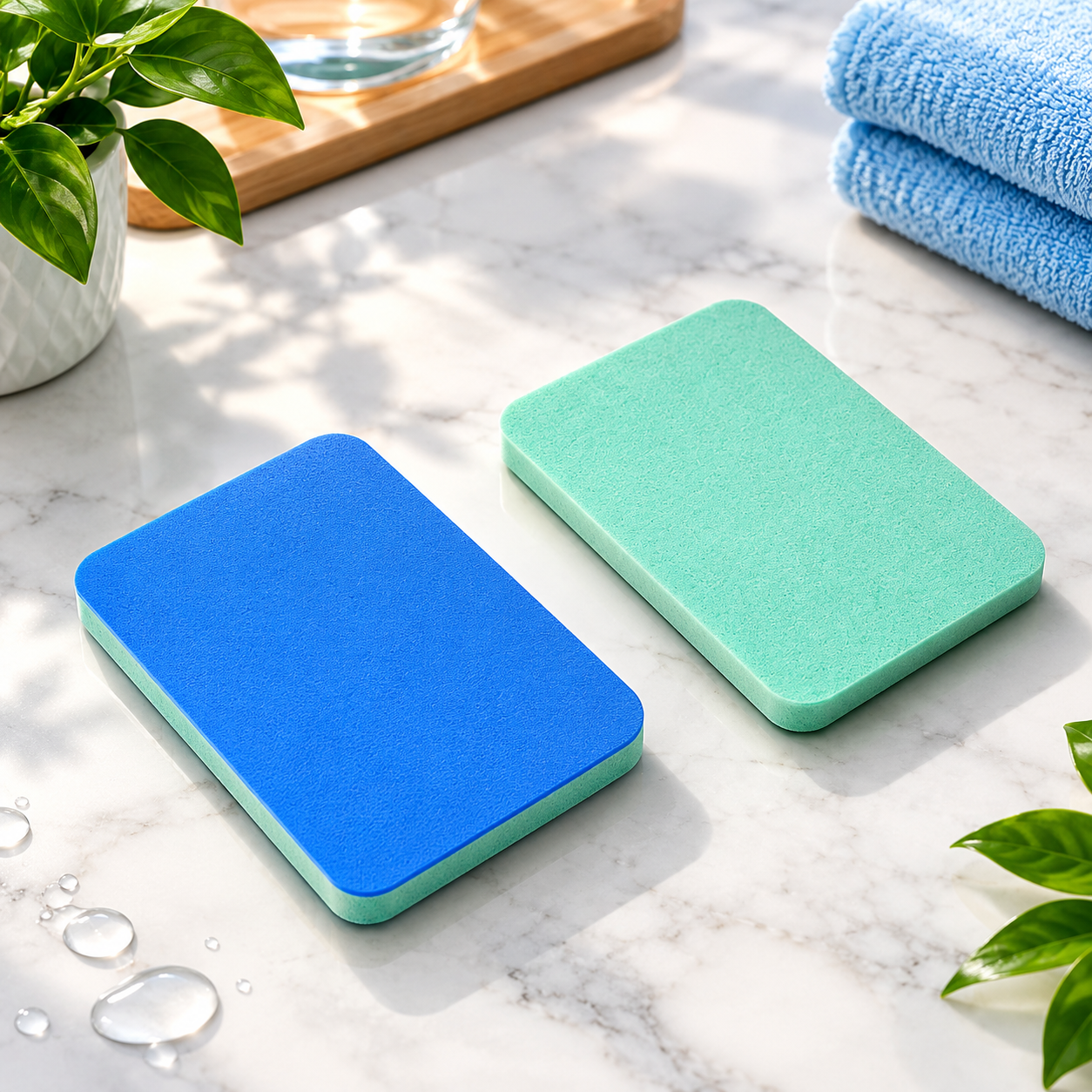
Sports facilities, whether in schools, community centers, or professional venues, rely heavily on the quality of their playing surfaces. A well designed court does more than look appealing, it protects athletes from injury, improves performance, and stands up to years of heavy use. As schools and municipalities invest in outdoor and indoor sports infrastructure, understanding the materials and construction methods behind modern court surfaces has become essential.
This article explores the key considerations for selecting sport court surfaces, from manufacturing standards to specific flooring technologies used in basketball courts today.
Understanding the Role of Sports Flooring Manufacturers
The foundation of any successful sports facility begins with the people and companies who design and produce the flooring systems. Working with experienced sports flooring manufacturers ensures that schools and sports complexes receive products tested for durability, safety, and performance under real world conditions.
These manufacturers combine engineering expertise with an understanding of athlete biomechanics, producing surfaces that reduce the risk of joint strain while maintaining consistent ball bounce and traction. Reputable manufacturers also offer guidance on subfloor preparation, drainage for outdoor courts, and long term maintenance plans, which are all factors that determine how long a surface will last.
When schools or facility managers evaluate suppliers, it is worth reviewing case studies, warranty terms, and third party certifications, since these details reveal whether a manufacturer truly understands the demands of competitive and recreational play alike.
Key Factors When Planning a New Court
Before construction begins, several practical elements need attention. Climate is one of the biggest factors, since outdoor courts in regions with heavy rainfall or extreme temperature swings require different base preparation than indoor gymnasiums. Budget also plays a role, as schools often balance upfront costs against long term maintenance savings. A few common considerations include the following.
- Site drainage and grading to prevent water pooling
- Expected usage intensity, such as daily physical education classes versus occasional recreational play
- Local climate conditions, including UV exposure and freeze thaw cycles
- Compliance with safety standards for shock absorption and slip resistance
Taking time to evaluate these factors before installation helps avoid costly repairs or resurfacing within just a few years of construction.
Comparing Common Court Surface Materials
Not all court surfaces are built the same way, and the material chosen significantly affects performance and cost. Acrylic coatings are popular for outdoor tennis and multi purpose courts because they are relatively affordable and offer good color retention. Rubber based surfaces provide excellent shock absorption, making them a common choice for running tracks and fitness areas.
Modular tile systems, often made from polypropylene, allow for quick installation and are easy to repair since individual tiles can be swapped out without redoing the entire court. Each material has trade offs in terms of cost, maintenance, and playing feel, so facility planners should match the surface type to the primary sport and expected level of play.
Why Silicone PU Basketball Flooring Stands Out
Among the many flooring options available today, silicone pu basketball flooring has gained significant attention for its balance of performance and resilience. This type of surface combines a polyurethane base layer with a silicone top coating, resulting in a court that offers consistent ball response, strong slip resistance even in humid conditions, and a comfortable playing surface that reduces fatigue during extended games.
Unlike some traditional hard surfaces, silicone PU systems allow for a degree of controlled flexibility, which helps absorb impact and lowers the risk of joint related injuries for players who spend hours training each week. These floors are also valued for their weather resistance, making them suitable for outdoor basketball courts exposed to sun and rain throughout the year.
Schools in particular benefit from this technology, since physical education programs and after school sports require surfaces that can handle constant foot traffic without cracking or fading. For facilities researching this option in more depth, additional technical details are available at the official site, where specifications on layer thickness, texture options, and color customization can help planners make an informed decision.
Maintenance Practices That Extend Surface Life
Even the highest quality court surface will degrade prematurely without proper care. Routine cleaning removes dust, leaves, and debris that can wear down the top coating over time. Pressure washing should be done carefully, since excessive force can damage certain coatings, particularly on acrylic or painted surfaces. Periodic inspections help catch small cracks or seam separations before they expand into larger repair projects. For outdoor courts, applying a fresh coat of sealant every few years protects against UV degradation and moisture infiltration. Indoor courts benefit from controlled humidity and temperature, which reduces the stress placed on flooring materials caused by expansion and contraction. Facility managers who establish a consistent maintenance schedule, rather than waiting until visible damage appears, typically see a longer usable lifespan from their investment and fewer disruptions to scheduled games or practices.
Considerations for School Sports Programs
School sports programs face unique challenges compared to professional or commercial facilities. Budgets are often limited, usage is high due to physical education classes and multiple team practices, and safety is a top priority given the age range of students using the courts. Administrators should prioritize surfaces with proven shock absorption ratings and non slip textures, since younger athletes are still developing coordination and balance. Additionally, multi purpose courts that can support several sports, such as basketball, volleyball, and badminton, offer better value for schools with limited outdoor space. Involving coaches and physical education staff in the planning process can also help identify practical needs that might otherwise be overlooked during initial design discussions.
Conclusion
Selecting the right sport court surface requires balancing performance, safety, durability, and budget. From understanding the expertise offered by established manufacturers to evaluating specific technologies like silicone PU systems, facility planners have more options today than ever before. Schools and outdoor sports programs in particular stand to benefit from surfaces designed with both athlete safety and long term maintenance in mind. As construction techniques continue to improve, investing time in research and consulting knowledgeable suppliers will help ensure that any new or renovated court serves its community reliably for years to come.


JNETOTO and Togel Online: A Complete Guide

Hanne Norgaard Ethnicity: Heritage, Background, and Cultural Identity

The Complete Guide to Reviewing M88 Sports Games and Platform Features

Gareth Varey: The Architect of Modern Artist Management

Liza Tarbuck Illness: Health, Career, and Public Awareness

Jeffrey Donaldson Daughter Claire: Family Life, Privacy, and Personal Influence
-
 Fashion8 months ago
Gareth Varey: The Architect of Modern Artist Management
-
 CALEBRITIES9 months ago
Liza Tarbuck Illness: Health, Career, and Public Awareness
-
 Politics8 months ago
Jeffrey Donaldson Daughter Claire: Family Life, Privacy, and Personal Influence
-

 Business9 months ago
son simon now simon anthony blackburn: From Celebrity Son to Private Life
-

 Entertainment9 months ago
Alice Bhandhukravi Illness: Separating Fact from Rumor and Understanding Her Health Status
-

 Politics8 months ago
Piers Pottinger: A Comprehensive Profile of a PR and Corporate Communications Veteran
-
 Sports8 months ago
Desislava Bozhilova Married: Exploring Public Curiosity and a Strongly Guarded Private Life
-

 Business9 months ago
Is Peter Cardwell Married? A Deep Dive Into His Life, Career, and Personal Relationships