
Blog
Consumer Electronics Stamping Parts: A Complete Guide to Manufacturing and Applications

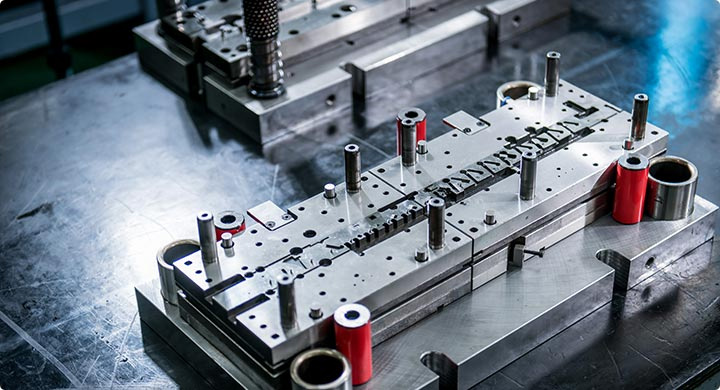
Consumer electronics stamping parts play an important role in modern electronic devices. From smartphones and laptops to televisions and home appliances, many products depend on precisely manufactured metal components. These parts provide structural support, electrical connections, shielding, and reliable performance.
As consumer electronics continue to become smaller, lighter, and more advanced, manufacturers require metal components with greater precision and consistency. Metal stamping offers an efficient solution for producing these components in large quantities.
Understanding consumer electronics stamping parts helps manufacturers, engineers, and product designers make informed decisions about materials, production methods, and component quality. This article explores their applications, manufacturing processes, benefits, materials, and future developments.
What Are Consumer Electronics Stamping Parts?
Consumer electronics stamping parts are metal components manufactured through a process called metal stamping. This process uses specialized dies and presses to cut, bend, shape, or form metal sheets into specific designs.
These components are commonly used in electronic products that require durable, lightweight, and accurately manufactured metal parts.
Examples include:
- Metal brackets and mounting plates
- Electrical contact terminals
- Connector components
- Battery contact plates
- EMI shielding covers
- Metal frames and support structures
- Heat dissipation components
Manufacturers produce these parts according to the specifications of each electronic device. Depending on the application, components may require extremely tight tolerances, specialized surface finishes, or excellent electrical conductivity.
Why Metal Stamping Is Important in Consumer Electronics
The consumer electronics industry requires components that combine precision, durability, and cost efficiency. Metal stamping helps manufacturers meet these requirements while supporting high-volume production.
One major advantage is its ability to produce consistent components. Once the stamping die is properly designed and tested, manufacturers can produce thousands or millions of parts with similar dimensions and characteristics.
Metal stamping also supports compact product designs. Modern electronic devices contain numerous small components that must fit together accurately. Precision stamping allows manufacturers to create intricate metal shapes without adding unnecessary weight or bulk.
Additionally, stamping can reduce material waste when production processes and component layouts are properly optimized. This makes it a practical manufacturing method for companies producing electronic devices at scale.
Common Applications of Consumer Electronics Stamping Parts
Consumer electronics stamping parts are used across many product categories. Their applications depend on the mechanical, electrical, and thermal requirements of each device.
Smartphones and Tablets
Smartphones and tablets contain numerous stamped metal components. These include internal brackets, shielding covers, connector terminals, and structural supports.
Metal stamping helps manufacturers produce compact components that fit within limited internal spaces. Stamped parts can also support circuit boards and protect sensitive electronic components from external interference.
Computers and Laptops
Laptops and desktop computers use stamped metal parts for mounting structures, internal brackets, connector systems, and protective covers.
These components help secure circuit boards, batteries, cooling systems, and other internal assemblies. Their dimensional accuracy is essential for ensuring proper alignment during product assembly.
Home Appliances
Many household appliances contain stamped metal components. Examples include washing machines, refrigerators, microwave ovens, and air conditioners.
Stamped parts may serve as mounting brackets, electrical contacts, control-panel supports, and internal structural components. Their strength and durability help appliances withstand regular use.
Audio and Video Equipment
Televisions, speakers, headphones, and audio systems also rely on stamped metal components.
These parts may provide structural support, grounding connections, shielding, and mounting solutions. Precision manufacturing helps ensure that components fit correctly within compact electronic housings.
Materials Used in Electronic Metal Stamping
Material selection is an important part of producing reliable consumer electronics stamping parts. Manufacturers choose materials based on electrical conductivity, strength, corrosion resistance, weight, and manufacturing requirements.
Stainless Steel
Stainless steel is widely used when strength and corrosion resistance are important. It is suitable for brackets, support structures, protective covers, and other components that require durability.
Different stainless steel grades offer different mechanical properties and forming characteristics.
Copper
Copper is valued for its excellent electrical conductivity. It is commonly used in electrical contacts, terminals, connectors, and grounding components.
Copper stamping can support reliable electrical connections in electronic devices.
Aluminum
Aluminum is lightweight and offers good corrosion resistance. It is useful for electronic housings, structural components, and certain thermal management applications.
Its low weight makes it suitable for portable devices and compact electronics.
Brass
Brass provides a useful combination of electrical conductivity, corrosion resistance, and formability. It is often used for connector terminals, contact components, and electrical fittings.
The material grade is selected according to the specific electrical and mechanical requirements of the application.
The Manufacturing Process of Consumer Electronics Stamping Parts
Manufacturing consumer electronics stamping parts involves several stages. Each stage contributes to component accuracy, consistency, and overall quality.
1. Product Design and Engineering
The process begins with designing the component according to its intended application. Engineers determine dimensions, material thickness, tolerances, and functional requirements.
Computer-aided design software helps create detailed component models and stamping die designs.
2. Material Preparation
Metal sheets or coils are selected based on the required material properties. The material is inspected for thickness, surface condition, and consistency before production begins.
Proper preparation helps reduce defects during stamping.
3. Die Design and Manufacturing
Stamping dies are specialized tools that shape metal into the required component. Their design directly affects dimensional accuracy, production efficiency, and tool life.
Depending on the component, manufacturers may use progressive dies, compound dies, or transfer dies.
4. Stamping Operations
The prepared metal is fed into a stamping press. The press applies force through the die to perform operations such as blanking, piercing, bending, and forming.
Progressive stamping allows multiple operations to occur in sequence as the metal strip moves through the die.
5. Finishing and Secondary Processing
After stamping, components may require deburring, cleaning, plating, heat treatment, or other finishing operations.
Surface treatments can improve corrosion resistance, conductivity, appearance, or solderability, depending on the material and application.
6. Quality Inspection
Finished parts are inspected to confirm that they meet design specifications. Inspection methods may include dimensional measurement, visual examination, and functional testing.
Consistent quality control helps reduce assembly problems and improve product reliability.
Benefits of Precision Metal Stamping
Precision metal stamping offers several advantages for consumer electronics manufacturers.
High production efficiency: Automated stamping systems can manufacture large quantities of components quickly, making them suitable for mass production.
Consistent dimensions: Properly maintained dies help produce components with repeatable shapes and dimensions.
Cost-effective manufacturing: Once tooling is established, high-volume production can reduce the cost per component.
Design flexibility: Stamping supports a variety of shapes, holes, bends, and formed features.
Material efficiency: Optimized strip layouts and manufacturing processes can reduce scrap and improve material utilization.
These benefits make metal stamping a practical choice for manufacturers seeking reliable components and scalable production.
Quality Standards and Inspection Requirements
Quality is essential when manufacturing consumer electronics stamping parts. Even small dimensional differences can affect component assembly, electrical connections, or product performance.
Manufacturers typically establish inspection procedures based on customer drawings and application requirements.
Important quality considerations include dimensional accuracy, burr height, surface finish, material consistency, and forming defects.
Automated optical inspection and precision measurement equipment can help identify defects during production. For electrical components, additional testing may evaluate conductivity, contact resistance, or plating quality.
Manufacturers may also use documented quality management systems, such as ISO 9001, to support consistent production and process control.
How to Choose a Consumer Electronics Stamping Parts Manufacturer
Selecting a suitable manufacturer is important for achieving reliable quality and stable production.
Companies should evaluate a supplier’s experience with precision stamping, tooling capabilities, available materials, and production capacity.
It is also useful to review the manufacturer’s inspection procedures and ability to meet required tolerances.
Other factors include communication, delivery schedules, customization options, and experience with similar electronic components.
Requesting samples before full-scale production can help verify component quality and compatibility with the intended assembly.
Future Trends in Consumer Electronics Metal Stamping
The demand for smaller and more advanced electronic devices continues to influence metal stamping technology.
Miniaturization is increasing the need for precise components with smaller dimensions and tighter tolerances. Manufacturers are also adopting automation and advanced inspection systems to improve production consistency.
New product designs may require lightweight materials, improved shielding, and more specialized electrical contacts.
Sustainability is another important consideration. Manufacturers are exploring better material utilization, scrap recycling, energy-efficient equipment, and manufacturing processes that reduce waste.
These developments are helping metal stamping remain an important manufacturing technology for the evolving electronics industry.
Conclusion
Consumer electronics stamping parts are essential components in smartphones, computers, home appliances, and many other electronic products. They provide structural support, electrical connectivity, shielding, and other important functions.
Through precision tooling, carefully selected materials, and effective quality control, manufacturers can produce reliable components for demanding electronic applications.
As electronic devices continue to become smaller and more sophisticated, the importance of accurate and efficient metal stamping will continue to grow. Choosing an experienced manufacturer and maintaining strict production standards can help businesses achieve consistent quality, dependable performance, and efficient manufacturing.


HappyMod: A Complete Guide to the Popular Modded App Platform

Kicker and Kicker Online: A Complete Guide to Football Gaming and Entertainment

Blackops Uncovered: The Full Covert Operations Guide

Gareth Varey: The Architect of Modern Artist Management

Liza Tarbuck Illness: Health, Career, and Public Awareness

son simon now simon anthony blackburn: From Celebrity Son to Private Life
-
 Fashion7 months ago
Gareth Varey: The Architect of Modern Artist Management
-
 CALEBRITIES8 months ago
Liza Tarbuck Illness: Health, Career, and Public Awareness
-
 Business8 months ago
son simon now simon anthony blackburn: From Celebrity Son to Private Life
-

 Politics7 months ago
Jeffrey Donaldson Daughter Claire: Family Life, Privacy, and Personal Influence
-

 Entertainment8 months ago
Alice Bhandhukravi Illness: Separating Fact from Rumor and Understanding Her Health Status
-

 Politics8 months ago
Piers Pottinger: A Comprehensive Profile of a PR and Corporate Communications Veteran
-

 Business8 months ago
Is Peter Cardwell Married? A Deep Dive Into His Life, Career, and Personal Relationships
-

 Sports7 months ago
Desislava Bozhilova Married: Exploring Public Curiosity and a Strongly Guarded Private Life