
Blog
PDT Machine: A Complete Guide to Photodynamic Therapy Machines

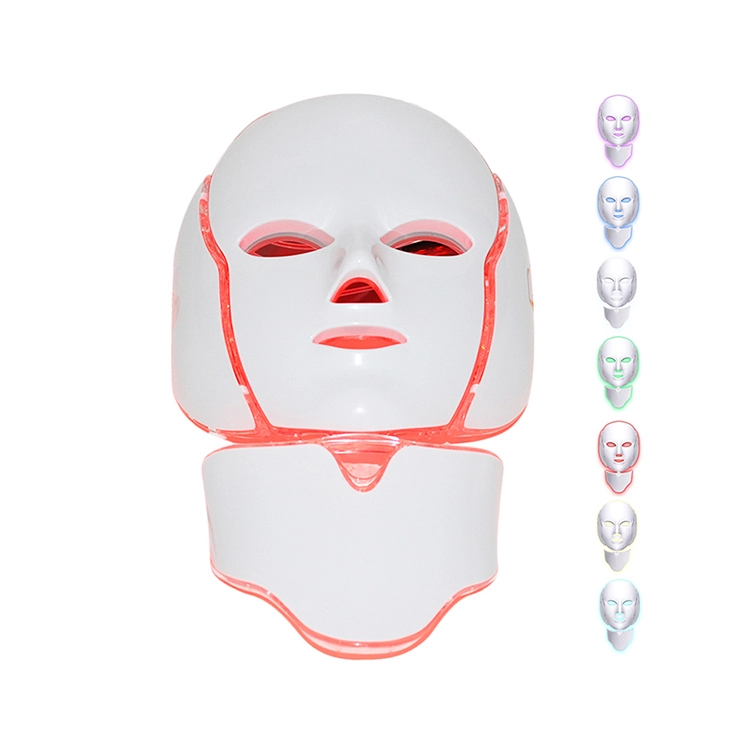
A PDT machine is a medical and aesthetic technology used to perform photodynamic therapy (PDT), a treatment that combines a light source with a photosensitizing substance to target specific cells or tissues. PDT machines are commonly used in dermatology, skin care, and certain medical applications. Depending on the treatment system and photosensitizer used, PDT can help address a range of skin concerns and selected medical conditions.
With advances in light-based treatment technology, modern PDT machines are designed to provide controlled light energy, adjustable treatment settings, and improved patient comfort. They are used by trained professionals in clinics, hospitals, dermatology centers, and aesthetic practices.
What Is a PDT Machine?
A PDT machine is a specialized light-emitting device used during photodynamic therapy. The machine delivers a specific wavelength or range of light to a treatment area after an appropriate photosensitizing agent has been applied or administered.
The photosensitizer becomes activated when exposed to the appropriate light. This process can produce a photochemical reaction that affects targeted cells.
PDT machines may use different types of light sources, including LED-based systems and other specialized light technologies. The exact wavelength, intensity, treatment time, and application method depend on the treatment protocol and the photosensitizer being used.
How Does a PDT Machine Work?
The basic PDT process involves several stages. First, a healthcare professional evaluates the patient and determines whether PDT is appropriate. A photosensitizing agent may then be applied to the treatment area or administered according to the relevant medical protocol.
After the photosensitizer has had sufficient time to act, the PDT machine delivers the required light to the selected area. The light activates the photosensitizer, producing a chemical reaction that can selectively affect targeted tissue.
Treatment parameters are carefully controlled. Factors such as wavelength, energy level, distance from the skin, exposure time, and treatment area can influence the procedure.
Because PDT protocols vary, treatment should always be performed according to professional guidance and the instructions for the specific device and photosensitizer.
Common Applications of PDT Machines
PDT machines have applications in both medical and dermatological settings. Some common areas include:
- Dermatology treatments: PDT may be used for certain sun-damaged skin conditions and selected superficial skin lesions.
- Acne-related treatments: Some light-based PDT protocols are used in dermatology for acne management.
- Actinic keratosis: PDT is an established treatment option for certain actinic keratoses.
- Aesthetic skin treatments: Some clinics use PDT-related light treatments as part of skin-rejuvenation protocols.
- Specialized medical applications: Photodynamic therapy can also be used in certain other medical fields under specialist supervision.
The appropriate application depends on the device, photosensitizer, regulatory authorization, and clinical protocol.
Key Features of a Modern PDT Machine
When selecting a PDT machine, clinics and professionals may consider several technical and practical features.
Adjustable Light Intensity
The ability to control light intensity allows professionals to follow treatment protocols appropriate for different applications.
Multiple Wavelength Options
Some systems provide specific wavelengths designed for particular photosensitizers or treatment protocols. Wavelength selection is an important consideration because photosensitizers respond to particular ranges of light.
Treatment Timer
A built-in timer can help provide consistent exposure times and simplify treatment operation.
LED Light Technology
Many modern systems use LEDs because they can provide controlled illumination, efficient energy use, and relatively long operating life.
User-Friendly Controls
A clear control panel or digital interface can make it easier for trained operators to configure treatment parameters accurately.
Patient Comfort
Modern PDT systems may incorporate design features intended to improve patient positioning, treatment consistency, and comfort during light exposure.
Benefits of Using a PDT Machine
A professionally administered PDT procedure can offer several potential benefits depending on the clinical indication.
One important advantage is the ability to deliver targeted light treatment to a defined area. PDT can also be performed as a localized treatment, which may help limit exposure to surrounding areas.
Another benefit is flexibility. Different treatment protocols can be used depending on the condition, photosensitizer, and device specifications.
For aesthetic applications, certain light-based protocols may be incorporated into broader skin-care treatment plans. However, expected results vary between individuals and depend on the condition being treated.
PDT Machine vs. Regular LED Light Therapy
Although PDT machines and LED therapy devices both use light, they are not necessarily the same type of treatment.
Standard LED phototherapy generally uses light directly to influence biological processes in tissue. Photodynamic therapy, in contrast, involves a photosensitizing substance that is activated by an appropriate wavelength of light.
Therefore, a PDT machine should not automatically be considered interchangeable with a general LED facial or light therapy device. The device, wavelength, photosensitizer, dosage, and treatment protocol all matter.
How to Choose a PDT Machine
Clinics considering a PDT machine should evaluate the device carefully before purchasing. Important factors include:
- Wavelength: Confirm that the machine provides the wavelength required for the intended treatment protocol.
- Light output: Check whether the device can deliver the required irradiance and energy dose.
- Treatment area: Consider whether the device is suitable for small, localized areas or larger treatment regions.
- Controls: Look for clear and accurate controls for exposure time and light intensity.
- Safety features: Check for appropriate safety mechanisms and manufacturer instructions.
- Certification and compliance: Verify applicable regulatory approvals and safety certifications for the market where the machine will be used.
- Manufacturer support: Reliable technical support, training, maintenance, and warranty services can be important for clinical use.
- Operating cost: Consider replacement parts, maintenance, electricity consumption, and other ongoing costs.
Safety and Precautions
PDT is a professional medical treatment, and safety depends on correct patient selection, photosensitizer use, light dosage, and treatment technique.
Patients can experience temporary effects such as redness, swelling, discomfort, or sensitivity after some PDT procedures. Photosensitizers can also cause increased sensitivity to light for a period of time.
Professionals should follow the manufacturer’s instructions and established clinical protocols. Patients should inform their healthcare provider about medications, skin conditions, allergies, and other relevant medical information before treatment.
Maintenance of a PDT Machine
Regular maintenance can help keep a PDT machine operating consistently. Clinics should follow the manufacturer’s recommended maintenance schedule and inspect components such as LED modules, cables, cooling systems, controls, and protective equipment.
The device should also be cleaned according to the manufacturer’s instructions. Any malfunction, unusual heating, damaged cable, or inconsistent light output should be addressed by qualified technical personnel.
Conclusion
A PDT machine is an important light-based technology used in photodynamic therapy. By delivering controlled light to activate a photosensitizing agent, PDT systems can support specific medical and dermatological treatment protocols.
When choosing a PDT machine, professionals should consider wavelength, light output, treatment area, safety features, regulatory compliance, ease of operation, maintenance requirements, and manufacturer support. Most importantly, PDT should be performed by appropriately trained professionals using a suitable device and an established treatment protocol.
As light-based medical technology continues to develop, PDT machines are becoming increasingly sophisticated, offering improved control and treatment flexibility for qualified healthcare and dermatology professionals.


HappyMod: A Complete Guide to the Popular Modded App Platform

Kicker and Kicker Online: A Complete Guide to Football Gaming and Entertainment

Blackops Uncovered: The Full Covert Operations Guide

Gareth Varey: The Architect of Modern Artist Management

Liza Tarbuck Illness: Health, Career, and Public Awareness

son simon now simon anthony blackburn: From Celebrity Son to Private Life
-
 Fashion7 months ago
Gareth Varey: The Architect of Modern Artist Management
-
 CALEBRITIES8 months ago
Liza Tarbuck Illness: Health, Career, and Public Awareness
-
 Business8 months ago
son simon now simon anthony blackburn: From Celebrity Son to Private Life
-

 Politics7 months ago
Jeffrey Donaldson Daughter Claire: Family Life, Privacy, and Personal Influence
-

 Entertainment8 months ago
Alice Bhandhukravi Illness: Separating Fact from Rumor and Understanding Her Health Status
-

 Politics8 months ago
Piers Pottinger: A Comprehensive Profile of a PR and Corporate Communications Veteran
-

 Business8 months ago
Is Peter Cardwell Married? A Deep Dive Into His Life, Career, and Personal Relationships
-

 Sports7 months ago
Desislava Bozhilova Married: Exploring Public Curiosity and a Strongly Guarded Private Life