
Blog
Floor Coating Manufacturers: A Complete Guide to Choosing the Right Company

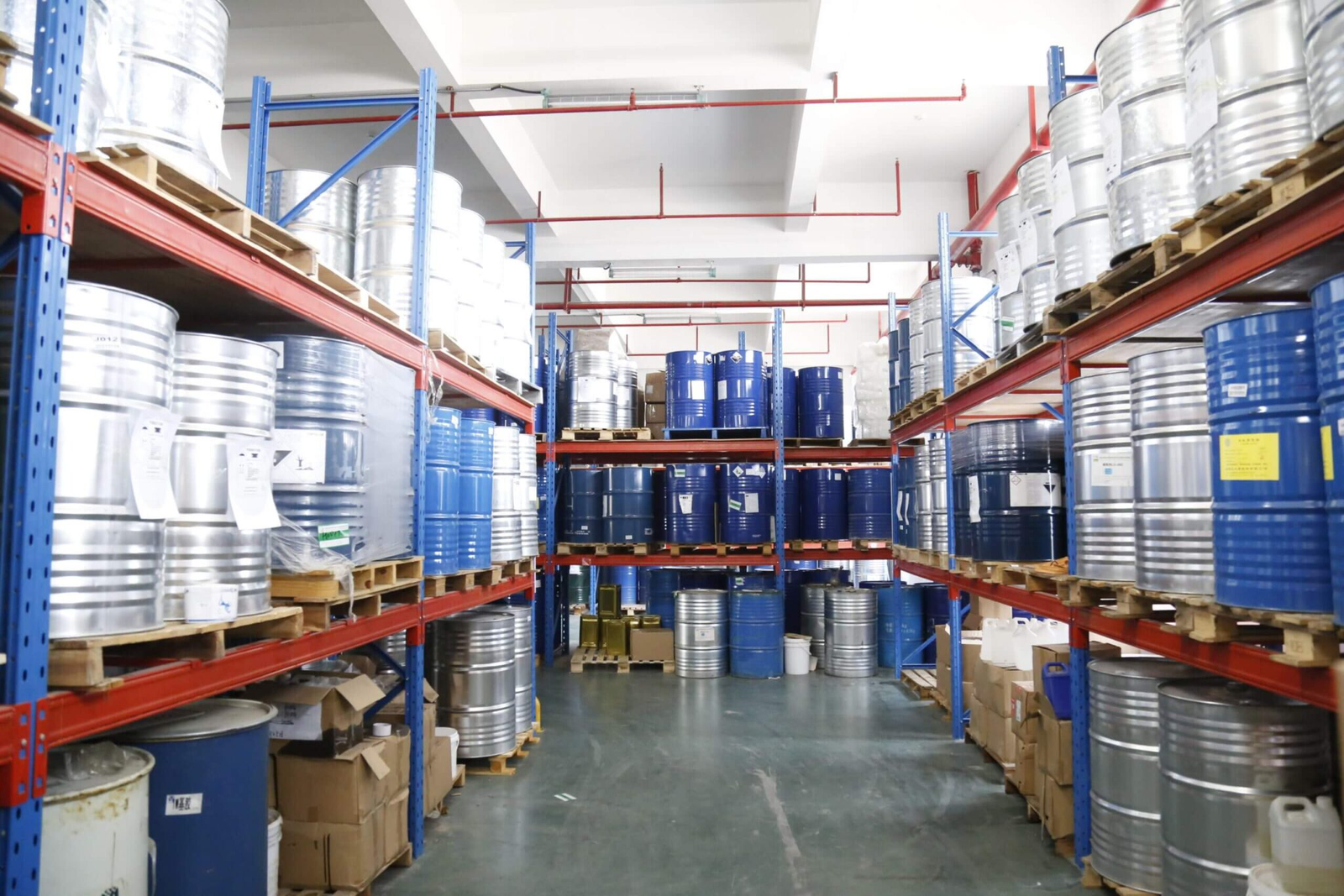
Floor coatings help protect concrete and other surfaces from daily wear. They can also improve the appearance, safety, and cleaning process of a floor. From factories and warehouses to garages and commercial buildings, the right coating can make a major difference.
Choosing reliable floor coating manufacturers is an important part of any flooring project. Manufacturers create different products for different environments. Some coatings focus on chemical resistance, while others are designed for heavy traffic, moisture, or decorative use.
This guide explains the main types of floor coatings, their benefits, applications, and the factors to consider before selecting a manufacturer.
What Are Floor Coating Manufacturers?
Floor coating manufacturers develop and produce materials that protect flooring surfaces. Their products are commonly used on concrete, metal, and other suitable substrates.
These companies may produce epoxy, polyurethane, acrylic, polyaspartic, and specialty coating systems. Some manufacturers also provide primers, sealers, pigments, additives, and protective topcoats.
A manufacturer may design products for specific industries. For example, a factory may need chemical-resistant flooring. A garage may need resistance to oil, tire marks, and regular vehicle traffic.
Why Floor Coatings Are Important
Concrete floors can experience heavy stress over time. Foot traffic, vehicles, machinery, chemicals, moisture, and impacts can gradually damage an unprotected surface.
A suitable floor coating creates a protective layer over the substrate. Depending on the product, this layer can help resist abrasion, stains, chemicals, moisture, and everyday wear.
Floor coatings can also make surfaces easier to maintain. Many systems create smooth or seamless finishes that can be cleaned more easily than damaged or porous concrete.
Main Types of Floor Coatings
Different coating technologies offer different characteristics. Understanding these options can help buyers select the right solution.
Epoxy Coatings
Epoxy is one of the most widely used floor coating materials. It forms a hard surface and can provide strong resistance to abrasion and many chemicals.
Epoxy coatings are common in garages, warehouses, workshops, factories, and commercial facilities. They are available in many colors and decorative finishes.
Polyurethane Coatings
Polyurethane coatings offer a combination of durability and flexibility. They can provide good resistance to abrasion and UV exposure.
They are often used as protective topcoats or as part of multi-layer flooring systems.
Polyaspartic Coatings
Polyaspartic products are known for fast curing. This can help reduce downtime during certain flooring projects.
They may be suitable for garages, commercial properties, and industrial spaces where quick return to service is important.
Acrylic Coatings
Acrylic coatings can provide attractive finishes and relatively quick drying. They are often considered for decorative or light-duty flooring applications.
The correct choice depends on traffic, exposure, substrate condition, and project requirements.
Benefits of Professional Floor Coatings
A quality coating system can provide several benefits.
First, it can protect the underlying floor from daily wear. This is particularly useful in areas with vehicles, equipment, or heavy foot traffic.
Second, coatings can improve cleaning and maintenance. A properly installed seamless floor has fewer joints where dirt can accumulate.
Third, coatings can improve the appearance of a facility. Manufacturers offer different colors, textures, gloss levels, and decorative finishes.
Some flooring systems can also include slip-resistant additives. These may improve traction in areas where wet or slippery surfaces are a concern.
Industrial Floor Coating Applications
Industrial environments often place demanding requirements on flooring. Factories and production facilities may experience heavy machinery, chemical spills, impacts, and constant traffic.
For these applications, buyers may need high-performance coating systems. Epoxy and polyurethane systems are commonly considered for industrial environments, depending on the specific conditions.
Warehouses can also benefit from durable flooring. Forklifts and pallet trucks can create significant mechanical stress. A suitable coating can help protect the concrete underneath.
Manufacturers may offer specialized products for workshops, loading areas, production rooms, and storage facilities.
Commercial Floor Coating Applications
Commercial buildings require floors that look attractive while handling regular use. Retail stores, offices, restaurants, showrooms, and service facilities may all use coated floors.
A decorative coating can create a clean and professional appearance. At the same time, a durable surface can simplify routine cleaning.
Commercial property owners should consider both appearance and performance. A beautiful coating that cannot handle the expected traffic may not provide good long-term value.
Residential Floor Coating Applications
Floor coatings are also popular for residential spaces. Garages, basements, utility rooms, patios, and workshops can benefit from protective coatings.
Garage floors are a common application. Vehicles can introduce oil, dirt, water, and other contaminants onto the surface.
An appropriate coating can create a more attractive and easier-to-clean garage floor. Decorative flakes and color options can also provide a customized appearance.
How to Choose Floor Coating Manufacturers
Choosing the right manufacturer requires more than comparing prices. Start by looking at the manufacturer’s product range.
Check whether the company provides technical data sheets and clear application instructions. These documents should explain important details such as coverage, curing time, recommended thickness, and suitable substrates.
Experience is another useful factor. Manufacturers with established technical knowledge may be better prepared to recommend products for unusual conditions.
Customer support is also important. Flooring contractors may need help with surface preparation, product selection, application, or troubleshooting.
Important Product Features to Check
Before purchasing a coating, consider the conditions the floor will face.
Important features may include:
- Abrasion resistance
- Chemical resistance
- Moisture resistance
- UV resistance
- Slip resistance
- Impact resistance
- Adhesion
- Curing time
- Temperature resistance
- Ease of maintenance
Not every project needs every feature. The best product is the one that matches the actual requirements of the site.
Why Surface Preparation Matters
Surface preparation is one of the most important parts of a successful coating installation. Even a high-quality product can fail when applied to a poorly prepared surface.
The concrete should generally be clean, sound, and free from contaminants. Depending on the existing condition, grinding, shot blasting, cleaning, or other preparation methods may be necessary.
Cracks and damaged areas should also be addressed before coating. Moisture conditions should be checked when required by the coating manufacturer.
Following the manufacturer’s preparation instructions can improve adhesion and reduce the risk of premature coating failure.
Installation and Maintenance Tips
Correct installation begins with following the product instructions. Mixing ratios, application thickness, temperature, humidity, and curing times can affect final performance.
Professional installation may be appropriate for large industrial or commercial projects. Experienced contractors can identify substrate problems and apply multi-layer systems correctly.
After installation, regular cleaning can help preserve the surface. Avoid using cleaning chemicals that are not compatible with the coating.
Heavy impacts should also be minimized when possible. Routine inspections can help identify small problems before they become larger repairs.
Frequently Asked Questions
What do floor coating manufacturers produce?
They produce protective and decorative coatings such as epoxy, polyurethane, acrylic, and polyaspartic systems. Many also supply primers, sealers, and additives.
Which coating is best for industrial floors?
The answer depends on the environment. Traffic, chemicals, temperature, moisture, and impact levels should all be considered before selecting a system.
Are epoxy coatings suitable for garages?
Epoxy is commonly used in garages because it can provide a durable, attractive, and easy-to-clean surface when properly installed.
How important is surface preparation?
It is extremely important. Poor preparation can reduce adhesion and contribute to peeling, cracking, or premature coating failure.
Should I choose a coating based only on price?
No. Compare product performance, installation requirements, expected service life, maintenance needs, and technical support along with the initial price.
Can floor coatings improve safety?
Some coating systems can incorporate slip-resistant textures or additives. The appropriate level of slip resistance depends on the environment and intended use.
Final Thoughts
Finding suitable floor coating manufacturers is an important step toward achieving a durable and attractive floor. Different environments require different coating technologies, so product selection should always begin with the actual needs of the surface.
Compare technical specifications, application requirements, product quality, manufacturer support, and long-term maintenance. Most importantly, make sure the floor is properly prepared before installation.
With the right product and professional application, a floor coating can provide lasting protection while creating a cleaner and more attractive surface.


HappyMod: A Complete Guide to the Popular Modded App Platform

Kicker and Kicker Online: A Complete Guide to Football Gaming and Entertainment

Blackops Uncovered: The Full Covert Operations Guide

Gareth Varey: The Architect of Modern Artist Management

Liza Tarbuck Illness: Health, Career, and Public Awareness

son simon now simon anthony blackburn: From Celebrity Son to Private Life
-
 Fashion7 months ago
Gareth Varey: The Architect of Modern Artist Management
-
 CALEBRITIES8 months ago
Liza Tarbuck Illness: Health, Career, and Public Awareness
-
 Business8 months ago
son simon now simon anthony blackburn: From Celebrity Son to Private Life
-

 Politics7 months ago
Jeffrey Donaldson Daughter Claire: Family Life, Privacy, and Personal Influence
-

 Entertainment8 months ago
Alice Bhandhukravi Illness: Separating Fact from Rumor and Understanding Her Health Status
-

 Politics8 months ago
Piers Pottinger: A Comprehensive Profile of a PR and Corporate Communications Veteran
-

 Business8 months ago
Is Peter Cardwell Married? A Deep Dive Into His Life, Career, and Personal Relationships
-

 Sports7 months ago
Desislava Bozhilova Married: Exploring Public Curiosity and a Strongly Guarded Private Life