
Blog
Smart Traffic Lights: Transforming Modern Traffic Management

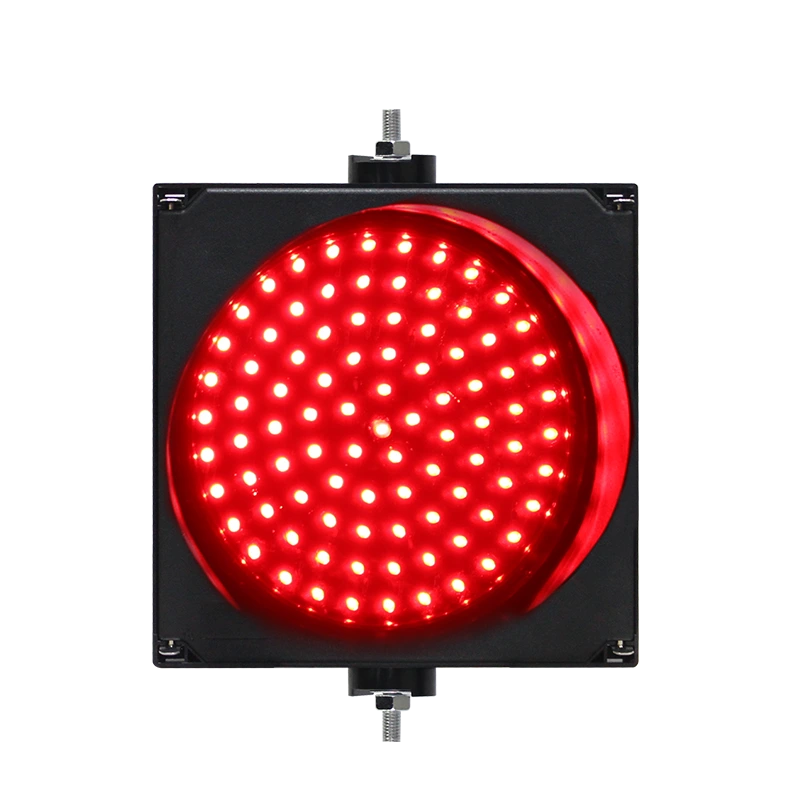
As cities continue to grow, managing traffic efficiently has become a major challenge for governments, transportation authorities, and urban planners. Traditional traffic lights generally operate according to fixed schedules, which means they may give the same amount of green time to roads regardless of the number of vehicles waiting. This can lead to unnecessary delays, long queues, fuel consumption, and increased air pollution. Smart traffic lights offer a modern solution by using sensors, cameras, artificial intelligence, and connected technologies to manage traffic more efficiently.
Smart traffic lights can monitor real-time traffic conditions and adjust signal timings according to the flow of vehicles, pedestrians, bicycles, and public transportation. As cities move toward smarter and more connected infrastructure, these systems are becoming an important part of modern transportation management.
What Are Smart Traffic Lights?
Smart traffic lights are advanced traffic signal systems designed to respond dynamically to changing road conditions. Unlike conventional traffic lights that often follow predetermined timing patterns, smart systems can collect information about traffic and use it to make adjustments.
These systems may use cameras, radar sensors, induction loops, GPS information, and other technologies to determine how many vehicles are approaching an intersection. Software then analyzes this information and can modify signal timing to improve traffic movement.
For example, if one road has a long queue while another road has very few vehicles, a smart traffic light can potentially provide additional green time to the busier road.
How Do Smart Traffic Lights Work?
Smart traffic lights combine hardware, communication networks, and software to manage intersections. Sensors and cameras collect information about traffic conditions, while a central or local control system processes that information.
A typical smart traffic system may work through the following steps:
- Traffic Detection: Sensors or cameras identify vehicles, pedestrians, bicycles, and traffic queues.
- Data Collection: Information about traffic volume, speed, and movement is collected.
- Data Analysis: Software analyzes current traffic conditions.
- Signal Adjustment: Traffic signals change their timing according to programmed rules or intelligent algorithms.
- Continuous Monitoring: The system continues monitoring the intersection and makes further adjustments when conditions change.
Some advanced systems can also communicate with nearby intersections, allowing several traffic signals to coordinate their operation.
Key Features of Smart Traffic Lights
Smart traffic lights can include a variety of technologies and functions. Common features include:
- Real-time traffic monitoring
- Automated signal timing
- Vehicle detection sensors
- Traffic cameras
- Pedestrian detection
- Emergency vehicle prioritization
- Public transportation priority
- Remote monitoring and management
- Data collection and analytics
- Communication between connected intersections
These features allow transportation authorities to move beyond fixed traffic schedules and respond to actual road conditions.
Benefits of Smart Traffic Lights
One of the main reasons cities are considering smart traffic lights is their potential to improve transportation efficiency. When signals respond to traffic conditions, unnecessary waiting can potentially be reduced.
Reduced Traffic Congestion
Smart traffic signals can adjust green-light periods according to traffic demand. Better signal coordination can help vehicles move through intersections more smoothly and may reduce the formation of long queues.
Lower Fuel Consumption
Vehicles that spend less time idling at intersections may consume less fuel. More efficient traffic movement can therefore contribute to reduced fuel waste.
Reduced Air Pollution
Lower idling times and smoother traffic flow can help reduce vehicle emissions. This can support broader efforts to improve urban air quality.
Improved Road Safety
Smart systems can incorporate pedestrian detection, traffic monitoring, and other safety technologies. Authorities can also use collected data to identify recurring traffic problems and potentially improve intersection design.
Better Emergency Response
Some intelligent traffic systems can give priority to emergency vehicles. Traffic signals may be coordinated to help create a clearer route for ambulances, fire trucks, or police vehicles.
Smart Traffic Lights and Artificial Intelligence
Artificial intelligence can make traffic signal systems more responsive. AI-powered platforms can analyze large amounts of traffic data and identify patterns that may be difficult to manage using simple fixed schedules.
For example, an intelligent system can examine traffic conditions during different times of the day and adjust signal operations accordingly. Machine learning technologies can also be used to identify recurring patterns and improve traffic management strategies over time.
However, AI is only one component of smart traffic management. Reliable sensors, communication networks, traffic data, and properly designed control systems are also essential.
Smart Traffic Lights for Pedestrians and Cyclists
Modern traffic management is not limited to cars. Smart traffic lights can also support pedestrians and cyclists.
Pedestrian sensors can detect people waiting to cross a road and help manage crossing phases. Some systems can extend crossing time when necessary or coordinate pedestrian signals with surrounding intersections.
For cyclists, smart traffic systems can potentially detect bicycle traffic and adjust signal timing. These capabilities can contribute to transportation systems that better accommodate different types of road users.
Role in Smart Cities
Smart traffic lights are an important part of the broader smart city concept. Smart cities use connected technologies and data to improve public services, infrastructure, and resource management.
Traffic signals can communicate with traffic management centers and other connected infrastructure. This can provide authorities with real-time information about traffic conditions.
When combined with public transportation systems, parking technologies, connected vehicles, and transportation analytics, smart traffic lights can become part of an integrated urban mobility network.
Challenges of Smart Traffic Lights
Despite their potential benefits, smart traffic lights also present several challenges. Installing intelligent traffic systems can require significant investment in sensors, cameras, communication networks, software, and maintenance.
Data security and privacy are also important considerations, particularly when cameras and connected systems are involved. Cities need appropriate policies to protect collected information and prevent unauthorized access.
Another challenge is reliability. Traffic signals are critical infrastructure, so smart systems need backup mechanisms and regular maintenance to ensure they continue operating during equipment failures or communication problems.
The Future of Smart Traffic Lights
The future of smart traffic management is closely connected with connected and automated transportation. As more vehicles become capable of communicating with infrastructure, traffic signals may receive more detailed information about approaching vehicles and road conditions.
Future systems may coordinate thousands of intersections using real-time data. They could also work with electric vehicles, autonomous vehicles, public transportation, and emergency services.
The goal is not simply to replace traditional traffic lights but to create a transportation network that can understand changing conditions and respond more intelligently.
Conclusion
Smart traffic lights represent a significant development in modern traffic management. By combining sensors, cameras, data analytics, artificial intelligence, and communication technologies, these systems can respond to changing traffic conditions rather than relying solely on fixed schedules.
Their potential advantages include improved traffic flow, reduced waiting and fuel consumption, better support for pedestrians and cyclists, and more efficient emergency response. At the same time, cities must address costs, cybersecurity, privacy, reliability, and maintenance.
As urban populations and transportation demands continue to increase, intelligent traffic management technologies are likely to play an increasingly important role in creating more connected and efficient cities.


Stacie Zabka: Life, Family, and Public Profile

HappyMod: A Complete Guide to the Popular Modded App Platform

Kicker and Kicker Online: A Complete Guide to Football Gaming and Entertainment

Gareth Varey: The Architect of Modern Artist Management

Liza Tarbuck Illness: Health, Career, and Public Awareness

son simon now simon anthony blackburn: From Celebrity Son to Private Life
-
 Fashion7 months ago
Gareth Varey: The Architect of Modern Artist Management
-
 CALEBRITIES8 months ago
Liza Tarbuck Illness: Health, Career, and Public Awareness
-
 Business8 months ago
son simon now simon anthony blackburn: From Celebrity Son to Private Life
-

 Politics7 months ago
Jeffrey Donaldson Daughter Claire: Family Life, Privacy, and Personal Influence
-

 Entertainment8 months ago
Alice Bhandhukravi Illness: Separating Fact from Rumor and Understanding Her Health Status
-

 Politics8 months ago
Piers Pottinger: A Comprehensive Profile of a PR and Corporate Communications Veteran
-

 Business8 months ago
Is Peter Cardwell Married? A Deep Dive Into His Life, Career, and Personal Relationships
-

 Sports7 months ago
Desislava Bozhilova Married: Exploring Public Curiosity and a Strongly Guarded Private Life