
Tech
Shisha Tobacco Mixing Machine: A Complete Guide to Efficient Tobacco Blending

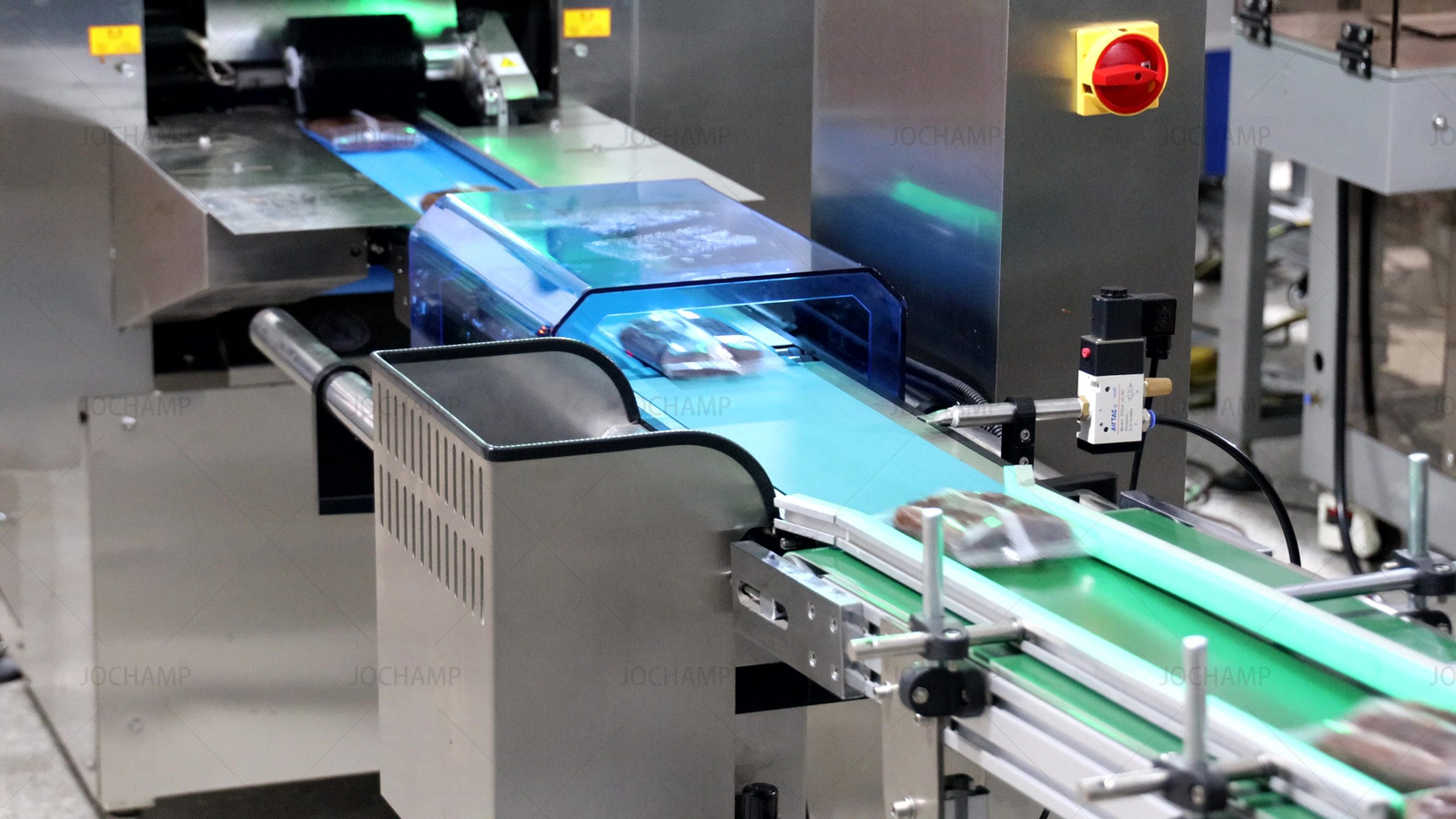
A shisha tobacco mixing machine is an important piece of equipment for businesses that produce flavored shisha tobacco. It helps manufacturers combine tobacco, flavorings, sweeteners, and other ingredients in a consistent way. Manual mixing can take more time and may produce uneven results. A suitable machine can improve production efficiency, consistency, and overall process control.
Modern shisha tobacco production often requires accurate mixing and reliable equipment. Manufacturers need to maintain a consistent texture and distribution of ingredients across batches. A well-designed mixing machine can support these goals while reducing the physical work required from employees.
What Is a Shisha Tobacco Mixing Machine?
A shisha tobacco mixing machine is industrial equipment designed to blend tobacco-based mixtures evenly. Depending on the production process, the machine may handle tobacco, flavoring components, moisture-related ingredients, and other permitted materials.
The machine uses mechanical movement to combine ingredients throughout a batch. Different designs may use paddles, blades, ribbons, or other mixing mechanisms. The correct design depends on production volume, material characteristics, and the manufacturer’s requirements.
Why Is Mixing Important in Shisha Tobacco Production?
Consistent mixing is essential for producing a uniform product. If ingredients are not distributed properly, one part of a batch may have a different texture, moisture level, or flavor concentration from another.
A commercial shisha tobacco mixing machine helps create more consistent batches. It can also make production easier to manage because operators can work with defined quantities and controlled mixing cycles.
For manufacturers, consistency can support better quality control and reduce material waste caused by poorly mixed batches.
Main Features to Look For
When choosing mixing equipment, manufacturers should consider several important features. The first is the machine’s capacity. A small producer may need a compact mixer, while a large facility may require industrial-scale equipment.
Material quality is also important. Stainless steel construction is commonly preferred for equipment that needs to be durable and easy to clean. The mixing mechanism should also be suitable for the physical characteristics of the materials.
Other useful features may include adjustable mixing speeds, safety controls, easy-access cleaning areas, and straightforward operating systems.
Different Types of Mixing Machines
Mixing machines come in different designs. Ribbon mixers are commonly used for blending materials that need thorough horizontal movement. Paddle mixers can provide effective mixing through controlled mechanical action.
Some systems are designed for smaller production batches, while others are built for continuous industrial production. Vertical and horizontal configurations are also available.
The best choice depends on the production environment, batch size, available floor space, and material properties. Manufacturers should evaluate the entire production process rather than selecting equipment based only on price.
Benefits of Using a Mixing Machine
One major benefit is improved consistency. Mechanical mixing can provide more repeatable results than manual methods when the machine is properly operated.
Another advantage is productivity. A shisha tobacco mixing machine can process larger quantities within a controlled production cycle. This can reduce labor requirements and help businesses maintain a predictable workflow.
Machines can also improve workplace organization. Instead of relying heavily on manual mixing, workers can monitor a defined process and focus on quality checks, equipment operation, and other production responsibilities.
Improving Production Efficiency
Efficient production requires more than simply purchasing a mixer. The equipment should match the manufacturer’s production volume and workflow.
A machine that is too small may create production bottlenecks. A machine that is unnecessarily large may increase equipment and operating costs. Manufacturers should therefore calculate their typical batch requirements before purchasing.
Automation can also help improve efficiency. Features such as programmable mixing cycles and controlled operating settings may reduce variation between batches.
Cleaning and Maintenance
Regular cleaning and maintenance are important for any industrial mixing system. Residual materials can build up inside a mixer if cleaning is neglected. This may affect subsequent batches and create hygiene concerns.
Operators should follow the equipment manufacturer’s cleaning instructions. Components that come into contact with production materials should be accessible for inspection and cleaning.
Routine maintenance should also include checking moving parts, seals, electrical components, and safety systems. Preventive maintenance can help identify problems before they cause unexpected downtime.
Safety Considerations
Industrial mixers contain moving mechanical components, so workplace safety should be a priority. Operators should receive proper training before using the equipment.
Safety guards, emergency-stop systems, and protective controls can help reduce operational risks. Workers should never place their hands inside a running machine.
Businesses should also follow applicable workplace safety rules and local regulations. Equipment should be installed and operated according to the manufacturer’s instructions.
How to Choose the Right Machine
Choosing a shisha tobacco mixing machine requires careful evaluation. Start by determining the desired production capacity and batch size. Then consider the materials being mixed and the required mixing performance.
Manufacturers should also evaluate machine dimensions, power requirements, cleaning procedures, maintenance needs, and available technical support.
Supplier experience can be another important factor. A reliable supplier should provide clear specifications, operating instructions, maintenance guidance, and after-sales support.
Automation and Modern Technology
Modern industrial mixing equipment increasingly includes automation features. Digital controls can make it easier to monitor operating conditions and repeat established production cycles.
Depending on the machine, automated systems may help manage mixing time, speed, and other process parameters. This can reduce operator variation and make production records easier to maintain.
Automation does not remove the need for quality control. Instead, it can give operators better control over a repeatable production process.
Quality Control in Mixing
Quality control should be part of every production stage. Before mixing, ingredients should be checked according to the manufacturer’s established specifications. During production, operators can monitor equipment performance and batch consistency.
After mixing, appropriate quality checks can help identify unexpected variation. Proper documentation can also make it easier to trace production issues.
A high-quality shisha tobacco mixing machine supports consistency, but good production practices remain equally important.
Cost and Return on Investment
The cost of a mixing machine varies according to capacity, design, automation, construction, and additional features. Businesses should consider the total cost of ownership rather than focusing only on the initial purchase price.
Energy consumption, maintenance, spare parts, labor requirements, and expected service life can all affect long-term costs.
A properly selected machine may provide value by improving productivity, reducing manual work, and supporting consistent production.
Conclusion
A shisha tobacco mixing machine can play an important role in modern shisha tobacco manufacturing. It provides controlled mechanical mixing and can help businesses achieve more consistent production results.
Before purchasing equipment, manufacturers should consider capacity, construction, cleaning requirements, safety features, automation, maintenance, and supplier support. Selecting equipment that matches the production process can improve efficiency while supporting reliable quality control.
With proper installation, operation, cleaning, and maintenance, a suitable mixing system can become a valuable part of an organized manufacturing operation.
Frequently Asked Questions
What is a shisha tobacco mixing machine?
It is industrial equipment used to blend tobacco-based production materials consistently and efficiently.
Why use a mixing machine instead of manual mixing?
Mechanical mixing can improve consistency, reduce physical labor, and support larger production volumes.
What material is commonly used for mixer construction?
Stainless steel is often selected because it is durable, resistant to corrosion, and relatively easy to clean.
How do I choose the right mixer capacity?
Capacity should be based on your normal batch size, production targets, available space, and overall manufacturing workflow.
Does automation improve mixing?
Automation can help make mixing cycles more repeatable by controlling selected operating parameters.
How often should a mixing machine be maintained?
Maintenance frequency depends on the machine and usage. Operators should follow the manufacturer’s maintenance schedule and inspect equipment regularly.


JNETOTO and Togel Online: A Complete Guide

Hanne Norgaard Ethnicity: Heritage, Background, and Cultural Identity

The Complete Guide to Reviewing M88 Sports Games and Platform Features

Gareth Varey: The Architect of Modern Artist Management

Liza Tarbuck Illness: Health, Career, and Public Awareness

Jeffrey Donaldson Daughter Claire: Family Life, Privacy, and Personal Influence
-
 Fashion8 months ago
Gareth Varey: The Architect of Modern Artist Management
-
 CALEBRITIES9 months ago
Liza Tarbuck Illness: Health, Career, and Public Awareness
-
 Politics8 months ago
Jeffrey Donaldson Daughter Claire: Family Life, Privacy, and Personal Influence
-

 Business9 months ago
son simon now simon anthony blackburn: From Celebrity Son to Private Life
-

 Entertainment9 months ago
Alice Bhandhukravi Illness: Separating Fact from Rumor and Understanding Her Health Status
-

 Politics8 months ago
Piers Pottinger: A Comprehensive Profile of a PR and Corporate Communications Veteran
-

 Sports8 months ago
Desislava Bozhilova Married: Exploring Public Curiosity and a Strongly Guarded Private Life
-

 Entertainment8 months ago
Is Alice Bhandhukravi Married? A Complete Look at Her Personal Life and Career