
Tech
Mold Repair Laser Welding Machine: A Complete Guide for Precision Mold Restoration

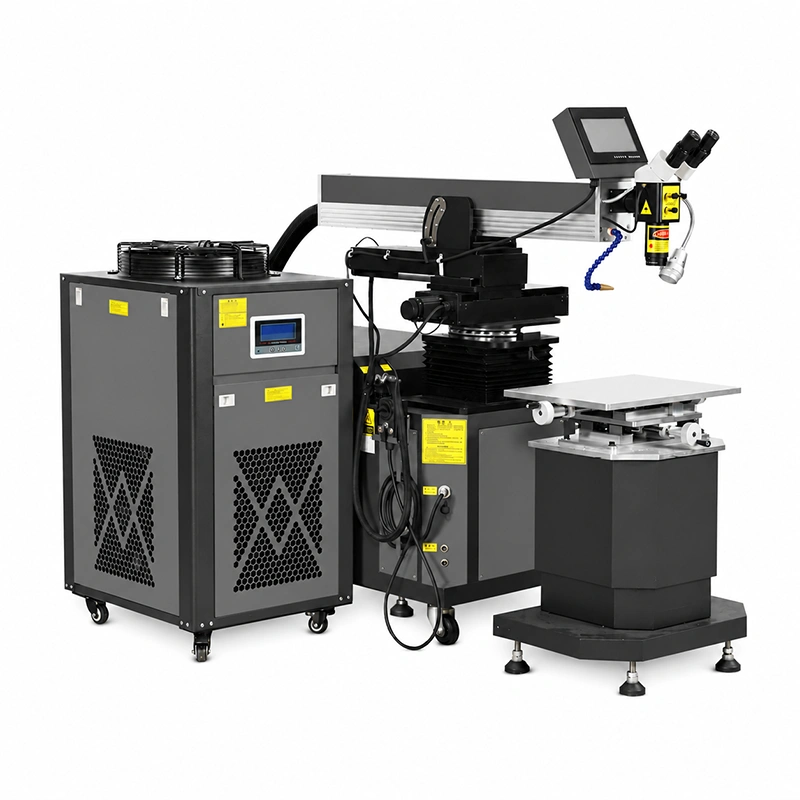
Molds are essential tools in many manufacturing industries. They are used to produce plastic parts, automotive components, medical products, electronics, packaging materials, and many other items. Over time, molds can become damaged because of wear, cracks, scratches, corrosion, or repeated use. Replacing a damaged mold can be expensive and time-consuming. This is where a mold repair laser welding machine becomes a valuable solution.
A mold repair laser welding machine uses focused laser energy to repair damaged areas with high precision. It allows manufacturers to restore molds instead of replacing them. The technology provides accurate welding, minimal heat damage, and excellent control. As a result, businesses can reduce downtime, lower maintenance costs, and extend the working life of valuable molds.
What Is a Mold Repair Laser Welding Machine?
A mold repair laser welding machine is a specialized welding system designed to repair and restore molds, dies, and precision metal components. It uses a concentrated laser beam to melt a small amount of filler material and the surface of the damaged area. The melted material then solidifies and creates a strong repair.
Unlike traditional welding methods, laser welding focuses energy on a very small area. This makes it suitable for delicate and complex mold surfaces. Operators can repair small cracks, holes, worn edges, and other defects without affecting the surrounding material.
These machines are commonly used for injection molds, die-casting molds, stamping dies, and other high-value tooling. The precise nature of laser welding helps maintain the original shape and quality of the mold.
How Does a Mold Repair Laser Welding Machine Work?
The working process begins when the laser beam is directed toward the damaged section of the mold. The operator carefully controls the laser energy, pulse duration, and welding position. A compatible filler wire or welding material may be added to rebuild the damaged area.
The laser produces intense heat in a small spot. This melts the metal only where the repair is needed. Because the heat is highly concentrated, the surrounding area experiences less thermal stress than with many traditional welding methods.
After welding, the repaired area can be polished, machined, or finished to match the original mold surface. This process helps restore the mold to a usable condition while maintaining its precision.
Common Applications of Mold Repair Laser Welding Machines
A mold repair laser welding machine can be used in many manufacturing and maintenance applications. One of its most common uses is repairing plastic injection molds. These molds often experience wear and surface damage after producing thousands or millions of parts.
Laser welding machines are also useful for repairing die-casting molds. High temperatures and repeated pressure can cause cracks and erosion. Laser welding can rebuild damaged areas and extend the service life of the tool.
Other common applications include repairing stamping dies, precision engineering tools, automotive molds, electronic component molds, and medical manufacturing tools. The technology is especially useful when accuracy is important and replacement costs are high.
Advantages of Using Laser Welding for Mold Repair
One of the biggest advantages of laser welding is precision. The laser beam can target a very small area, allowing operators to repair detailed and complex mold sections. This is useful for molds with fine patterns, narrow corners, and sensitive surfaces.
Another benefit is reduced heat input. Traditional welding can create large heat-affected zones, which may cause distortion or structural changes. A laser welding system concentrates heat in a smaller area and can reduce the risk of unwanted deformation.
Laser welding can also save time and money. Instead of purchasing a completely new mold, manufacturers can repair the damaged section. This helps reduce production downtime and improves the overall value of expensive tooling.
Types of Damage That Can Be Repaired
A mold repair laser welding machine can address many common types of mold damage. Small cracks are one of the most frequent problems. If left untreated, these cracks can grow and eventually cause serious mold failure.
The machine can also repair worn edges and corners. Repeated production cycles may gradually remove material from critical areas. Laser welding can add material back to the damaged section.
Other repair applications include small holes, surface defects, scratches, corrosion damage, and machining mistakes. In some cases, laser welding can also be used to modify an existing mold design by adding material before machining it into a new shape.
Key Features to Look for in a Machine
When selecting a mold repair laser welding machine, laser power is an important factor. The required power depends on the size of the repair and the type of metal being welded. A machine should provide enough power for the intended applications while offering precise control.
Pulse control is another useful feature. Adjustable pulse settings allow operators to manage heat input and welding depth. This can be important when working with thin or delicate mold sections.
A good viewing system can also improve accuracy. Many machines include microscopes, cameras, or specialized optical systems. These features help operators clearly see the repair area and position the laser accurately.
Flexibility is also important. Some machines are designed for small components, while others provide a larger working area for bigger molds and dies.
Industries That Use Mold Repair Laser Welding Machines
The plastic injection molding industry is a major user of laser welding technology. Injection molds are expensive, and fast repairs can help manufacturers avoid long production delays.
The automotive industry also uses mold repair laser welding machines. Automotive parts often require complex molds and precision tooling. Repairing these tools can reduce maintenance costs and support continuous production.
Electronics manufacturers may use laser welding to repair precision molds for small components. Medical device manufacturers can also benefit from accurate mold restoration when producing specialized products.
Other industries include aerospace, packaging, consumer products, metalworking, and general industrial manufacturing.
Mold Repair Laser Welding vs. Traditional Welding
Traditional welding methods can be effective for large repairs, but they may not always provide the same level of precision. Conventional welding often introduces more heat into the workpiece. This can increase the risk of distortion and may require additional finishing work.
A mold repair laser welding machine provides better control over the welding area. The focused beam allows operators to work on small and detailed sections. This makes laser welding particularly useful for precision tooling.
Laser welding can also reduce the amount of post-repair machining required. However, the best welding method depends on the size of the damage, material type, repair requirements, and available equipment.
How to Choose the Right Mold Repair Laser Welding Machine
Before purchasing a machine, businesses should evaluate the types of molds they repair. Small precision molds may require a highly accurate system with fine laser control. Larger molds may require a machine with a bigger working space.
Material compatibility should also be considered. Different mold materials may require different welding settings and filler materials. The machine should provide suitable adjustment options for the metals used in the facility.
Ease of operation is another important factor. A user-friendly control system can help operators set parameters quickly and consistently. Training and technical support from the supplier can also improve long-term productivity.
Maintenance requirements, spare parts availability, and after-sales service should also be reviewed before making a purchase.
Maintenance Tips for Laser Welding Equipment
Regular maintenance helps ensure reliable machine performance. The optical components should be kept clean because dust or contamination can affect laser quality. Operators should follow the manufacturer’s cleaning recommendations.
Cooling systems should also be inspected regularly. Proper cooling helps protect internal components and maintain stable performance during operation.
Regular calibration can improve welding accuracy. The machine should also be inspected for worn parts, loose connections, and other technical issues. Preventive maintenance can reduce unexpected downtime and extend the life of the equipment.
Improving Mold Life with Laser Repair Technology
Using a mold repair laser welding machine as part of a preventive maintenance program can help businesses extend mold life. Small defects can be repaired before they become larger and more expensive problems.
Regular mold inspections can identify cracks, worn surfaces, and other signs of damage. Early laser repair can prevent production failures and reduce the risk of complete mold replacement.
This approach can be especially valuable for custom molds and complex tools. When replacement requires long lead times, fast repair services can help maintain production schedules.
Conclusion
A mold repair laser welding machine is an important tool for manufacturers that rely on expensive molds and precision tooling. It provides accurate repairs, controlled heat input, and the ability to restore damaged surfaces with minimal impact on surrounding areas.
From repairing cracks and worn edges to rebuilding damaged mold sections, laser welding technology offers a practical alternative to complete mold replacement. Businesses can reduce downtime, control maintenance costs, and extend the life of valuable equipment.
When choosing a machine, manufacturers should consider laser power, precision, working area, material compatibility, control features, and supplier support. With the right equipment and proper maintenance, a mold repair laser welding machine can become a long-term investment that improves productivity and protects valuable manufacturing assets.
FAQs
1. What is a mold repair laser welding machine used for?
It is used to repair cracks, holes, worn edges, scratches, and other damage on molds, dies, and precision metal tools.
2. Can laser welding repair injection molds?
Yes. Laser welding is widely used to repair and restore plastic injection molds with high precision.
3. Does laser welding cause mold distortion?
Because laser energy is concentrated in a small area, it can reduce heat-related distortion compared with broader traditional welding methods.
4. What materials can be repaired with laser welding?
Many common mold and tool metals can be repaired, depending on the machine, welding parameters, and compatible filler material.
5. Is laser mold repair more cost-effective than replacement?
In many cases, repairing a damaged mold can cost less and take less time than manufacturing a completely new mold.
6. How can I choose the right mold repair laser welding machine?
Consider the mold size, materials, repair requirements, laser power, precision controls, working area, maintenance needs, and supplier support.


JNETOTO and Togel Online: A Complete Guide

Hanne Norgaard Ethnicity: Heritage, Background, and Cultural Identity

The Complete Guide to Reviewing M88 Sports Games and Platform Features

Gareth Varey: The Architect of Modern Artist Management

Liza Tarbuck Illness: Health, Career, and Public Awareness

Jeffrey Donaldson Daughter Claire: Family Life, Privacy, and Personal Influence
-
 Fashion8 months ago
Gareth Varey: The Architect of Modern Artist Management
-
 CALEBRITIES9 months ago
Liza Tarbuck Illness: Health, Career, and Public Awareness
-
 Politics8 months ago
Jeffrey Donaldson Daughter Claire: Family Life, Privacy, and Personal Influence
-

 Business9 months ago
son simon now simon anthony blackburn: From Celebrity Son to Private Life
-

 Entertainment9 months ago
Alice Bhandhukravi Illness: Separating Fact from Rumor and Understanding Her Health Status
-

 Politics8 months ago
Piers Pottinger: A Comprehensive Profile of a PR and Corporate Communications Veteran
-

 Sports8 months ago
Desislava Bozhilova Married: Exploring Public Curiosity and a Strongly Guarded Private Life
-

 Entertainment8 months ago
Is Alice Bhandhukravi Married? A Complete Look at Her Personal Life and Career