
Blog
4% Hydroquinone Cream (Melalite): Clinical Use for Melasma and Persistent Hyperpigmentation

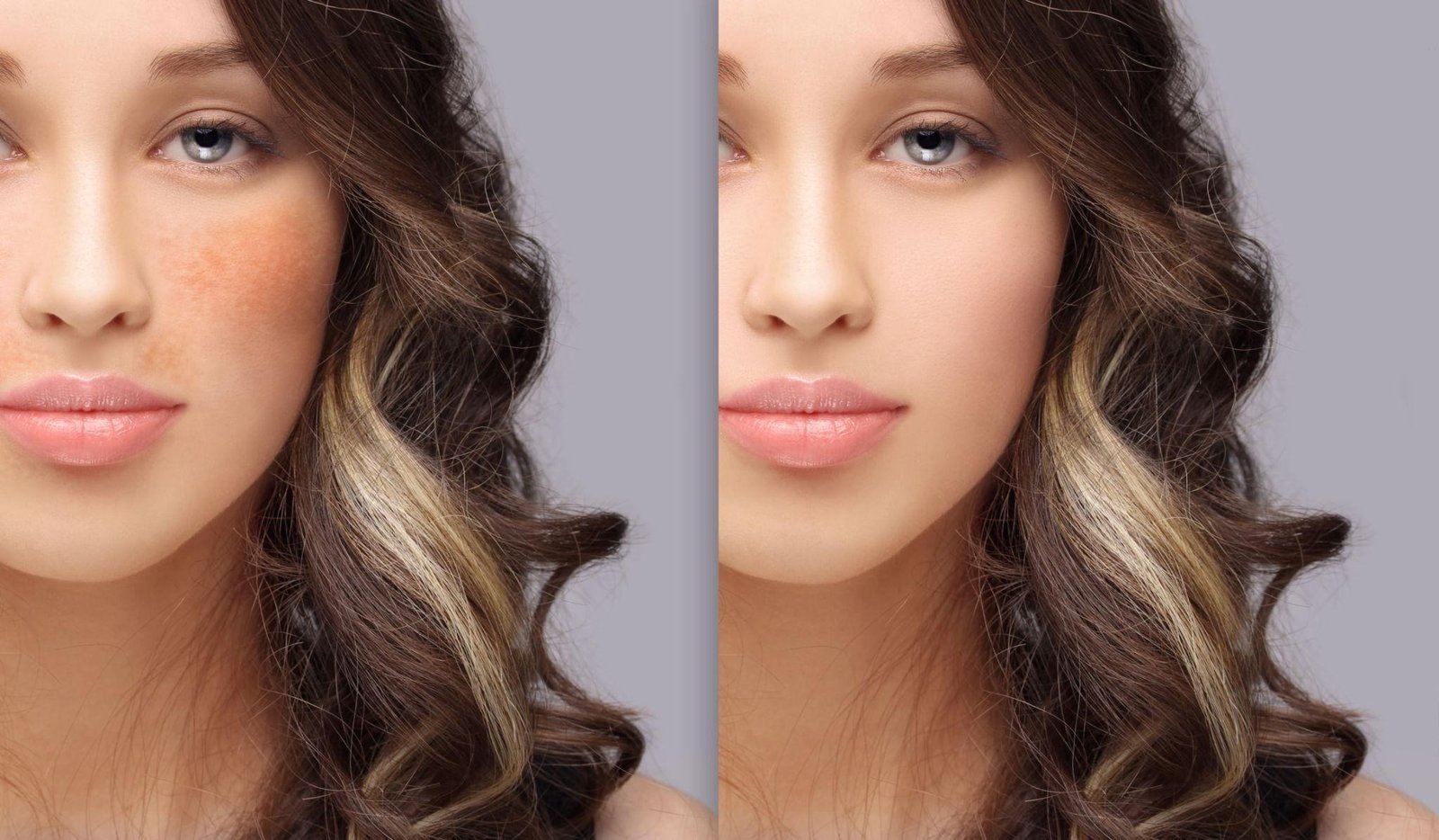
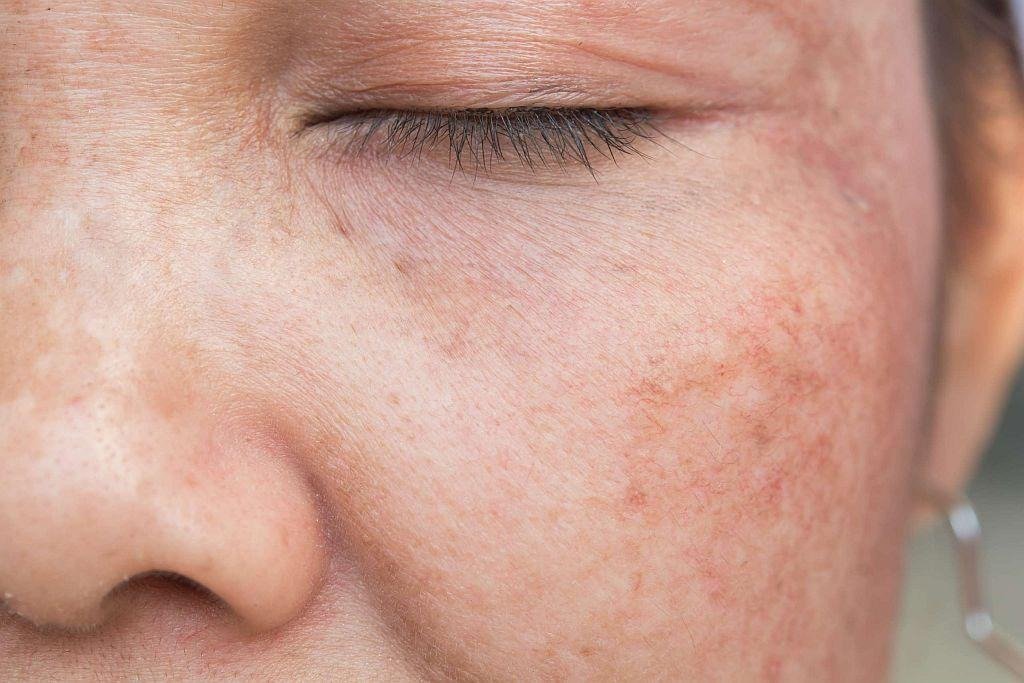
Hydroquinone 4% cream is considered one of the most effective topical treatments for melasma and other forms of hyperpigmentation. Products such as Melalite are commonly used in dermatology because hydroquinone directly targets the process responsible for excess pigment production in the skin.
Unlike cosmetic brightening creams, 4% hydroquinone is generally classified as a stronger medical-grade depigmenting treatment intended for stubborn pigmentation disorders.
What 4% Hydroquinone Cream Is Used For
Melalite and similar hydroquinone creams are commonly prescribed for:
- Melasma
- Post-inflammatory hyperpigmentation
- Sun-induced dark spots
- Uneven skin tone after acne or irritation
These conditions are often linked to increased melanin production triggered by inflammation, hormones, or ultraviolet exposure.
For a complete overview of application methods, treatment expectations, and product details, see this guide on how 4% hydroquinone cream (Melalite) is used for melasma and dark spots:
4% hydroquinone cream treatment guide
How Hydroquinone Works
Hydroquinone works by inhibiting tyrosinase, an enzyme required for melanin synthesis inside pigment-producing cells (melanocytes).
This leads to:
- Reduced formation of new pigment
- Gradual fading of existing dark patches
- Improvement in overall skin tone consistency
Because melanin turnover takes time, visible improvement is usually gradual rather than immediate.
Most patients begin noticing early changes within several weeks, while more significant fading often requires several months of consistent use.
Why the 4% Strength Is So Popular
The 4% concentration is widely used because it offers stronger depigmenting effects than lower-strength formulations.
Dermatologists often recommend it for:
- Moderate to severe melasma
- Persistent pigmentation resistant to cosmetic products
- Long-standing post-inflammatory discoloration
In many treatment plans, hydroquinone 4% is combined with:
- Retinoids (such as tretinoin)
- Mild corticosteroids
- Strict sun protection routines
This combination approach may improve results while reducing irritation.
Importance of Sunscreen During Treatment
One of the most important aspects of hydroquinone therapy is daily sunscreen use.
UV exposure can:
- Stimulate new pigment formation
- Reverse treatment progress
- Worsen melasma recurrence
For this reason, most dermatology protocols recommend:
- Broad-spectrum SPF 30 or higher
- Daily use regardless of weather
- Reapplication during prolonged sun exposure
Without sun protection, even effective depigmenting therapy may produce inconsistent results.
Proper Application Guidelines
Typical recommendations include:
- Apply once daily at night
- Use only on affected areas
- Avoid excessive application
Applying more product does not speed results and may increase irritation.
Hydroquinone is usually introduced gradually, especially in patients with sensitive skin.
Possible Side Effects
Like many active dermatological treatments, hydroquinone may cause:
- Dryness
- Mild redness
- Peeling
- Temporary irritation
These effects are usually mild when the cream is used correctly.
Long-term unsupervised use may increase the risk of uneven pigmentation or ochronosis, which is why periodic treatment breaks are often recommended.
Combination Therapy and Long-Term Management
Hyperpigmentation disorders such as melasma are often chronic and influenced by:
- Hormonal changes
- Sun exposure
- Skin inflammation
Because of this, long-term management may involve:
- Maintenance skincare routines
- Periodic treatment cycles
- Ongoing UV protection
Hydroquinone is frequently used as part of a broader dermatological strategy rather than a standalone permanent solution.
Clinical Information
For medically reviewed information about hydroquinone and depigmentation therapy, see this clinical overview of hydroquinone treatment and safety:
hydroquinone clinical mechanism and safety overview
Conclusion
4% hydroquinone cream remains one of the most effective topical options for treating melasma and stubborn hyperpigmentation. By directly reducing melanin production, it helps fade dark patches and improve skin tone uniformity over time.
When combined with consistent sunscreen use and proper skincare, hydroquinone-based therapy can produce significant improvement in even difficult pigmentation disorders.


Integrated Aquatic Protection: Evaluating Advanced Emergency Response Programs

Rachel Caesar: Biography, Background, Career, and Personal Life

US Teacher Appreciation Day 2025: Date, History, Ideas, and Ways to Celebrate

Gareth Varey: The Architect of Modern Artist Management

Liza Tarbuck Illness: Health, Career, and Public Awareness

Jeffrey Donaldson Daughter Claire: Family Life, Privacy, and Personal Influence
-
 Fashion9 months ago
Gareth Varey: The Architect of Modern Artist Management
-
 CALEBRITIES9 months ago
Liza Tarbuck Illness: Health, Career, and Public Awareness
-
 Politics8 months ago
Jeffrey Donaldson Daughter Claire: Family Life, Privacy, and Personal Influence
-

 Entertainment9 months ago
Alice Bhandhukravi Illness: Separating Fact from Rumor and Understanding Her Health Status
-

 Business9 months ago
son simon now simon anthony blackburn: From Celebrity Son to Private Life
-

 Politics9 months ago
Piers Pottinger: A Comprehensive Profile of a PR and Corporate Communications Veteran
-

 Sports9 months ago
Desislava Bozhilova Married: Exploring Public Curiosity and a Strongly Guarded Private Life
-

 Entertainment9 months ago
Is Alice Bhandhukravi Married? A Complete Look at Her Personal Life and Career