
Blog
The Ultimate Guide to Case Packer Machines: Automating Your Packaging Line

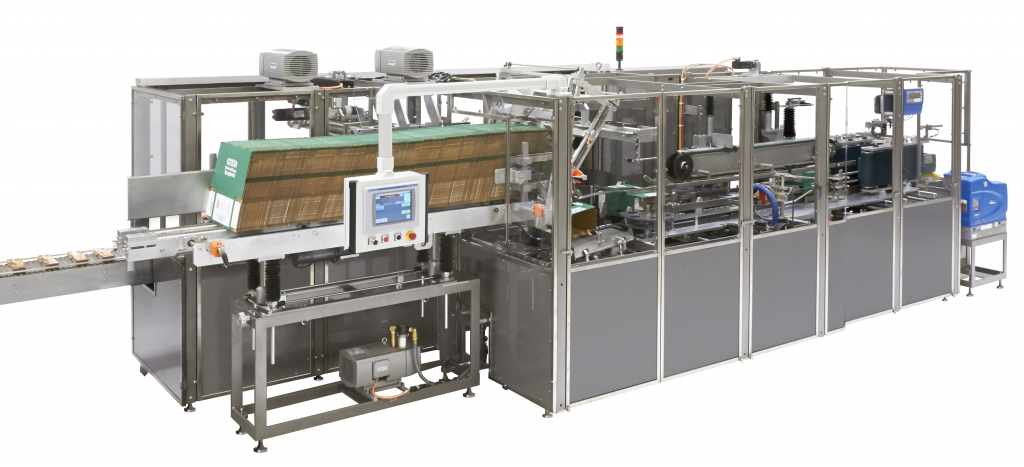
Imagine walking into a busy factory. Products are moving fast down a conveyor belt. In the past, workers had to grab these items and pack them into boxes by hand. This was slow work. It also made people’s arms and backs tired. Today, smart factories use a special machine called a case packer. This machine takes products and places them into boxes quickly and safely. It changes the way companies ship their goods. If you want to make your business faster, learning about a case packer is a great first step. Let us explore how these amazing machines work and why they matter so much.
What is a Case Packer and Why Does It Matter?
A case packer is a large machine used in factories to put products into shipping boxes automatically. Think of it as a helpful robot that never gets tired. It takes individual items like bags of chips, bottles of juice, or boxes of cereal and neatens them up. Then, it places them gently into a larger cardboard box. This process is called case packing.
Using a case packer matters because it saves a lot of time. Human hands can only move so fast, but a machine can pack dozens of boxes every minute. It also keeps products safe from drops and damage during the packing process.
The History and Evolution of the Case Packing Machine
Long ago, every single box was packed by human hands. People folded the cardboard, taped the bottom, stuffed the products inside, and taped the top shut. In the mid-twentieth century, the first basic mechanical case packer was invented. These early machines were loud and could only handle one type of box.
Over the years, technology got much better. Engineers added computers and smart sensors to the case packer machine. Today, a modern case packer can handle different shapes of products and various box sizes with ease. They are quieter, safer, and much smarter than the old models.
How Does a Case Packer Machine Work?
The way a case packer machine works is like a carefully planned dance. First, products arrive on a moving belt from the production line. The machine counts the items and groups them into rows. At the same time, the machine takes a flat piece of cardboard and forms it into an open box.
Next, the case packer uses mechanical arms or a grid to lift or push the grouped products into the open box. Once the products are safely inside, the machine folds the top flaps down. Finally, it applies glue or heavy tape to seal the box tight so it is ready for delivery
Exploring the Main Types of Case Packers
There are two main styles of case packer machines used in factories today. The first type is the top load case packer. This machine lowers products down into the box from above. It is perfect for items that stand upright, like jars or bottles.
The second type is the side load case packer. This machine pushes products horizontally into the side of a box. It works great for flat items like frozen pizza boxes or folded cartons. Both types of case packer systems ensure your goods are packed securely based on their shape.
+—————————————————————–+
| CASE PACKER TYPES |
+—————————————————————–+
| 1. Top Load Case Packer –> Lowers items from above (Bottles)|
| 2. Side Load Case Packer –> Pushes items from side (Cartons) |
| 3. Bottom Load Case Packer–> Lifts items from below (Fragile) |
+—————————————————————–+
Key Technical Specifications of Case Packing Systems
When choosing a case packer, engineers look at a few important details. A big detail is the speed, which is measured in cases per minute. Some machines pack ten boxes a minute, while fast ones pack over sixty. Another detail is the machine size, as it must fit inside the factory room.
The table below shows a biography of a standard industrial case packer to help you understand its typical traits and measurements.
Industrial Case Packer Machine Specifications
| Feature | Details and Measurement |
| Machine Name | Standard Automatic Case Packer |
| Primary Function | Automated box forming, product loading, and case sealing |
| Average Packing Speed | 15 to 45 cases per minute |
| Compatible Box Types | RSC (Regular Slotted Carton), HSC, and Wrap-around cases |
| Power Requirements | 220V / 480V Three Phase AC |
| Air Pressure Needed | 80 psi (Pounds per square inch) |
| Main Materials Used | Heavy-duty stainless steel and anodized aluminum |
| Control System | PLC (Programmable Logic Controller) with Touchscreen |
Export to Sheets
The Big Benefits of Investing in a Case Packer
Buying a case packer offers huge rewards for a growing business. First, it cuts down on labor costs because you do not need a large team just to pack boxes. Second, it reduces mistakes. A case packer will never forget to put the twelfth bottle in a twelve-pack box.
It also keeps your workers safe. Lifting heavy boxes all day can hurt a worker’s back. By letting a case packer machine do the heavy lifting, your human team can focus on easier, safer tasks around the warehouse.
How a Case Packer Improves Warehouse Safety
Safety is a top priority in any factory. Manual case packing can cause repetitive strain injuries. This happens when a person does the exact same motion thousands of times a day. Their wrists and shoulders can get very sore.
A case packer solves this safety issue completely. The machine handles the repetitive bending, twisting, and lifting. Modern case packer machines also come with safety doors and light curtains. If a human gets too close to the moving parts, the machine stops instantly to prevent accidents.
Choosing Between Automatic and Semi-Automatic Models
Not every company needs a fully automatic case packer. Small businesses often start with a semi-automatic case packer. With this model, a human worker folds the box and sets it in place. Then, the machine slides the products inside and seals it. It is a teamwork approach.
Large factories choose a fully automatic case packer. This machine does everything on its own from start to finish. It grabs a flat box, shapes it, fills it, and tapes it shut without any human help at all.
Common Industries That Use Case Packer Machines
You can find a case packer in almost every industry that makes physical goods. The food and beverage industry uses them constantly. They pack milk jugs, soda cans, and bags of snacks. The medicine industry uses a case packer to pack small bottles of pills safely.
The personal care industry also relies on a case packer machine for shipping shampoo, toothpaste, and soap. Without these machines, grocery store shelves would empty out quickly because shipping would take too long.
How to Choose the Right Case Packer for Your Business
Choosing the best case packer requires looking at your specific products. First, consider the shape and weight of your items. Heavy jars need a strong top load case packer, while soft bags might need a gentle robotic arm. Second, look at your factory floor space.
You must make sure the new case packer machine fits without blocking your pathways. It is also wise to think about the future. Buy a case packer that can handle higher speeds if your business grows and you need to ship more goods later.
Maintenance Tips to Keep Your Case Packer Running Smoothly
To keep your case packer working well, you must take care of it. Just like a car, it needs regular checkups. Workers should clean dust and cardboard fibers out of the machine every day. Dirt can jam the moving sensors and cause errors.
Lubricating the moving joints is another vital step for your case packer machine. Regularly checking the air lines and replacing worn belts ensures the machine will not break down unexpectedly in the middle of a busy workday.
Real World Example: Success with a New Case Packer
Let us look at a real story of a bakery that made cookies. They used to pack all their cookie boxes by hand. As their cookies became popular, the workers could not keep up. Cookies were breaking because people were rushing.
The bakery decided to install a compact case packer. Immediately, the packing speed doubled. The cookie breakage dropped to zero because the case packer lifted the boxes with perfect gentleness. The bakery saved money and grew its business fast.
Summary and Final Thoughts on Case Packing Technology
In conclusion, a case packer is a game changer for any shipping factory. It takes the hard work out of packaging by turning flat cardboard and loose products into neat, sealed boxes. It boosts your speed, protects your workers, and ensures every single box is packed perfectly. If you want to upgrade your factory floor, investing in a high-quality case packer machine is a smart choice that pays off for years to come.
Frequently Asked Questions
What is the main purpose of a case packer?
The main purpose of a case packer is to automatically place items into shipping boxes quickly, accurately, and safely without needing human hands to do the heavy lifting.
Can a case packer handle different box sizes?
Yes, many modern case packer machines can adjust to different box sizes. Workers can change the settings on the computer screen to fit a new size in just a few minutes.
What is the difference between a case packer and a case sealer?
A case packer puts the actual products inside the box. A case sealer is a different machine that just tapes or glues the top and bottom flaps of the box shut.
How fast can a case packer machine run?
The speed depends on the model. A standard case packer can pack between 15 and 45 boxes per minute, while specialized high-speed machines can pack even more.
Is it hard to maintain a case packer system?
No, it is not hard if you follow a daily schedule. Keeping the case packer clean, wiping away dust, and oiling the moving parts will keep it running smoothly for a long time.
Does a case packer save money for small businesses?
Yes, a semi-automatic case packer can save small businesses money by speeding up production and reducing the amount of manual labor needed to ship orders out.


Integrated Aquatic Protection: Evaluating Advanced Emergency Response Programs

Rachel Caesar: Biography, Background, Career, and Personal Life

US Teacher Appreciation Day 2025: Date, History, Ideas, and Ways to Celebrate

Gareth Varey: The Architect of Modern Artist Management

Liza Tarbuck Illness: Health, Career, and Public Awareness

Jeffrey Donaldson Daughter Claire: Family Life, Privacy, and Personal Influence
-
 Fashion9 months ago
Gareth Varey: The Architect of Modern Artist Management
-
 CALEBRITIES9 months ago
Liza Tarbuck Illness: Health, Career, and Public Awareness
-
 Politics8 months ago
Jeffrey Donaldson Daughter Claire: Family Life, Privacy, and Personal Influence
-

 Entertainment9 months ago
Alice Bhandhukravi Illness: Separating Fact from Rumor and Understanding Her Health Status
-

 Business9 months ago
son simon now simon anthony blackburn: From Celebrity Son to Private Life
-

 Politics9 months ago
Piers Pottinger: A Comprehensive Profile of a PR and Corporate Communications Veteran
-

 Sports9 months ago
Desislava Bozhilova Married: Exploring Public Curiosity and a Strongly Guarded Private Life
-

 Entertainment9 months ago
Is Alice Bhandhukravi Married? A Complete Look at Her Personal Life and Career