
Blog
Standardizing Rock Bolt Supplier Selection for Heavy Engineering and Mining Infrastructure

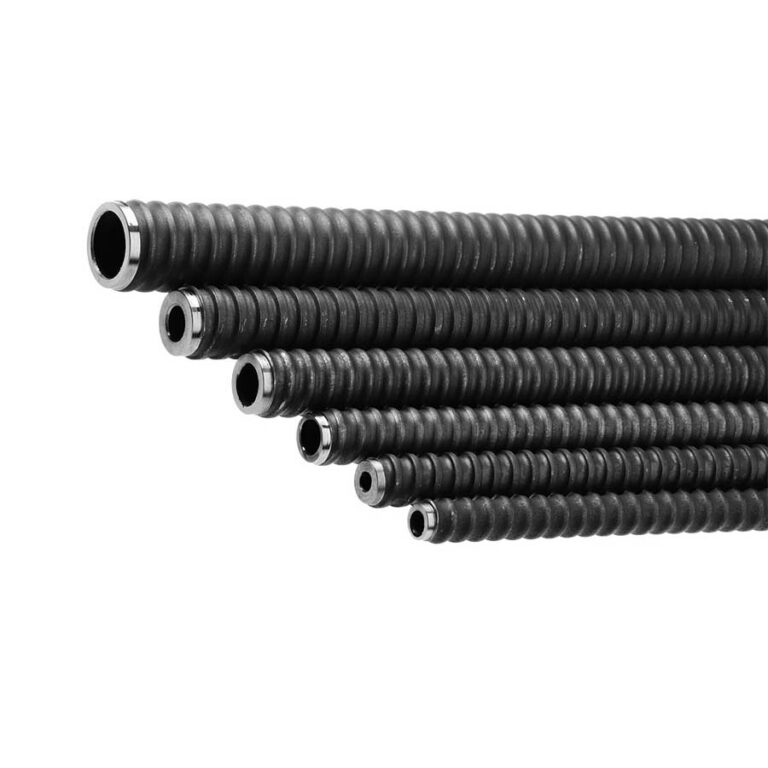
The structural integrity of underground excavations, tunnels, and deep mining operations relies heavily on reliable ground support systems. Among these, rock bolts serve as a fundamental primary reinforcement method, transferring tensile and shear loads deep into rock masses to prevent roof falls, rib collapses, and catastrophic strata movements. As global demand for mining critical minerals and subterranean civil infrastructure continues to accelerate, the strategic sourcing of high-grade ground support hardware has become a paramount operational priority. Finding dependable rock bolt suppliers is no longer merely a procurement task; it is a critical engineering decision directly affecting workplace safety, project timelines, and long-term asset life.
Understanding the Dynamic Role of Rock Bolt Suppliers in Modern Infrastructure
A rock bolt is a long structural tendon inserted into a drilled hole in a rock mass to consolidate fractured strata, pin unbonded blocks, or reinforce loose surficial layers. Modern rock bolt suppliers serve a vital role that extends far beyond straightforward hardware manufacturing. Standardized suppliers collaborate closely with geotechnical engineers, metallurgical experts, and project site directors to deliver ground support systems customized to specific rock mass behaviors, stress regimes, and groundwater chemistry.
Quality-driven suppliers maintain stringent production standards to ensure that every anchoring tendon withstands dynamic seismic loading, violent rock bursts, and aggressive corrosive environments. When project developers evaluate potential vendors, they must look beyond unit costs and scrutinize steel grade certifications, anti-corrosion treatments, mechanical testing protocols, and overall supply chain reliability. A single structural failure in an underground opening due to compromised tendon quality can trigger extensive project delays, costly regulatory audits, and severe human risk.
Key Technical Classifications Provided by Leading Rock Bolt Suppliers
To meet complex geotechnical demands across varying rock qualities and underground environments, suppliers manufacture several distinct types of rock anchoring systems. Leading distributors and manufacturers offer specialized products designed for specific loading characteristics and installation requirements:
- Mechanical Expansion Shell Bolts: These friction and point-anchor bolts rely on an expanding wedge or shell mechanism at the far end of the drill hole. As the bolt is torque-tightened from the exterior surface, the expansion shell expands against the borehole walls to generate immediate point load bearing capacity. Suppliers typically recommend expansion shell bolts for short-term reinforcement in hard rock conditions where immediate tensioning is mandatory.
- Fully Grouted Rebar and Deformed Threadbar Bolts: Combining high-strength steel rebar with resin cartridges or cementitious grout, fully grouted bolts transfer load continuously along their entire embedded length. The resin or cement encapsulating the tendon seals it against water exposure and distributes shear stresses evenly along the rock mass. Premium rock bolt suppliers provide threadbars engineered with distinct rib profiles to optimize mechanical bond strength between the steel, resin, and surrounding borehole wall.
- Friction Sets and Swellex Inflatable Bolts: Friction bolts, often referred to as Split Sets, consist of C-shaped steel tubes driven into undersized drill holes to create continuous radial friction against the rock face. Inflatable tubular bolts, such as Swellex systems, are inserted into the borehole and expanded using high-pressure hydraulic pumps. These yieldable systems provide excellent deformation capacity, making them ideal for squeezing ground conditions or areas prone to rock bursting.
- Self-Drilling Anchor (SDA) Bolts: Designed for fragile, fractured, or unbonded soil and rock conditions where pre-drilled holes collapse immediately, self-drilling bolts integrate a sacrificial drill bit with a hollow steel rod. The rod acts as both the drill string and the permanent reinforcement tendon, allowing simultaneous drilling, flushing, and grouting. Specialized suppliers engineer continuous thread patterns on SDA rods to permit field cutting and coupling at any point along the length.
- Cable Bolts and Dynamic Tendons: For extra-deep reinforcement requirements in large cavern roofs, stope intersections, or open-pit walls, suppliers provide flexible cable bolts made of multi-strand high-tensile steel wire. Advanced suppliers also manufacture yieldable dynamic bolts engineered to elongate and absorb massive kinetic energy bursts during seismic events without snapping.
Crucial Selection Criteria for Evaluating Global Rock Bolt Suppliers
Choosing the right rock bolt suppliers requires a rigorous multi-faceted evaluation process. Structural project managers and procurement heads should systematically assess potential vendors against the following technical benchmarks:
Metallurgical Integrity and International Standard Compliance
The structural capability of a rock bolt is determined by the quality of its parent steel. Top-tier suppliers source steel billets with precise chemical compositions to achieve superior tensile yield strength, elongation percentages, and fatigue resistance. Procurement teams must require potential suppliers to provide certified mill test reports (MTRs) and demonstrate strict adherence to established international engineering standards, such as ASTM, ISO, or EN specifications. Verification of these standards guarantees that the supplied steel can withstand specified working loads and dynamic shear stresses under harsh field conditions.
Advanced Corrosion Protection Technologies
Underground environments are frequently damp, acidic, or saline, creating conditions that cause rapid corrosion in unprotected carbon steel. Leading rock bolt suppliers offer comprehensive protective coatings engineered to extend service life in harsh chemical conditions. Options include hot-dip galvanizing, continuous epoxy coatings, duplex polymer wraps, and specialized sacrificial zinc-alloy plating. A reputable supplier should evaluate site-specific groundwater chemistry and rock mass resistivity to recommend appropriate corrosion barriers that preserve tendon integrity throughout the project lifecycle.
Quality Control, Load Testing, and Engineering Support
A top-tier supplier operates advanced testing facilities capable of performing destructive tensile tests, pull-out load trials, shear tests, and metallurgical impact analyses. Beyond delivering hardware, premium rock bolt suppliers act as technical advisors. They offer on-site pull testing, borehole inspection support, operator installation training, and custom engineering design when encountering unique rock strata challenges. Access to this level of technical support helps ensure field installations accurately reflect design assumptions.
Global Supply Chain Efficiency and Custom Manufacturing Capacity
Underground construction projects run on tight schedules where delays in ground support hardware deliveries can stop tunneling operations entirely. Established rock bolt suppliers maintain extensive distribution networks, strategically positioned warehousing, and reliable shipping logistics. Additionally, suppliers with flexible manufacturing capabilities can produce custom tendon lengths, varied thread patterns, specialized faceplates, and custom hardware accessories on demand, avoiding costly delays associated with non-standard field modifications.
Navigating the Strategic Partnership with Rock Bolt Suppliers
Establishing a strategic relationship with reliable rock bolt suppliers is vital to ensuring safety, structural efficiency, and long-term cost savings across tunneling and underground mining applications. Procurement strategies should prioritize long-term performance, proven metallurgical quality, and rigorous testing standards over basic upfront material costs. By thoroughly vetting manufacturing practices, technical support capabilities, and corrosion resistance standards, engineering teams can secure reliable ground support systems that protect both workforce safety and long-term structural assets.


Stacie Zabka: Life, Family, and Public Profile

HappyMod: A Complete Guide to the Popular Modded App Platform

Kicker and Kicker Online: A Complete Guide to Football Gaming and Entertainment

Gareth Varey: The Architect of Modern Artist Management

Liza Tarbuck Illness: Health, Career, and Public Awareness

son simon now simon anthony blackburn: From Celebrity Son to Private Life
-
 Fashion7 months ago
Gareth Varey: The Architect of Modern Artist Management
-
 CALEBRITIES8 months ago
Liza Tarbuck Illness: Health, Career, and Public Awareness
-
 Business8 months ago
son simon now simon anthony blackburn: From Celebrity Son to Private Life
-

 Politics7 months ago
Jeffrey Donaldson Daughter Claire: Family Life, Privacy, and Personal Influence
-

 Entertainment8 months ago
Alice Bhandhukravi Illness: Separating Fact from Rumor and Understanding Her Health Status
-

 Politics8 months ago
Piers Pottinger: A Comprehensive Profile of a PR and Corporate Communications Veteran
-

 Business8 months ago
Is Peter Cardwell Married? A Deep Dive Into His Life, Career, and Personal Relationships
-

 Sports7 months ago
Desislava Bozhilova Married: Exploring Public Curiosity and a Strongly Guarded Private Life