
Blog
Non-Metallic Stamping: A Complete Guide to Modern Manufacturing

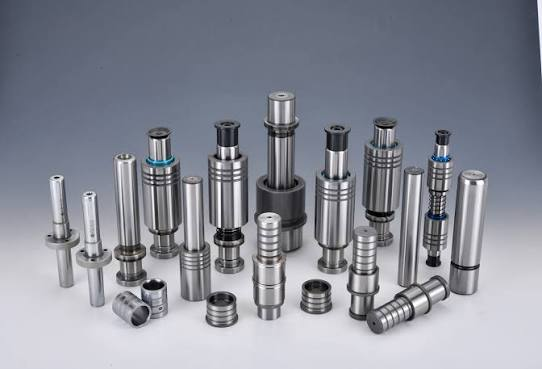
Non-metallic stamping is a useful manufacturing process for creating parts from materials other than traditional metals. It uses pressure, dies, and specialized equipment to shape materials into precise forms. This process is becoming more popular across many industries because it can offer flexibility, low weight, good insulation, and cost savings.
Unlike metal stamping, non-metallic stamping can work with materials such as plastics, rubber, composites, laminates, fiber-based sheets, and other engineered materials. These materials can be stamped into washers, gaskets, covers, spacers, seals, panels, and custom components. The right material and tooling depend on the product’s purpose, design, and working conditions.
What Is Non-Metallic Stamping?
Non-metallic stamping is a forming process used to cut, shape, or punch non-metal materials. Manufacturers place a sheet or other material between specially designed tools. A press then applies controlled force to create the desired shape.
The process can produce simple or complex components with consistent dimensions. It is often selected when a product needs electrical insulation, corrosion resistance, low weight, or specific flexibility. The process also supports high-volume production when suitable materials and tooling are used.
Materials Used in Non-Metallic Stamping
Many materials can be processed through non-metallic stamping. The best choice depends on the product’s requirements.
Common materials include plastic sheets, rubber, fiberglass, phenolic laminates, silicone, foam, cork, and composite materials. Some applications also use specialty films and engineered polymers.
Each material behaves differently during stamping. Some are flexible, while others are rigid or brittle. Manufacturers must consider thickness, temperature, hardness, strength, and elasticity before selecting a material.
How Non-Metallic Stamping Works
The process starts with material preparation. The material is cut into sheets or supplied in a suitable form. A die is then designed according to the required component.
During production, the material is positioned between the die and punch. The press applies force to cut or form the material. Depending on the design, one operation may create holes, edges, slots, or complete shapes.
After stamping, parts may receive additional operations. These can include trimming, cleaning, inspection, printing, bonding, or assembly. Quality checks help ensure that every component meets the required specifications.
Benefits of Non-Metallic Stamping
Non-metallic stamping provides several important advantages. One major benefit is material flexibility. Manufacturers can choose materials based on electrical, thermal, chemical, or mechanical requirements.
Another advantage is reduced weight. Many non-metallic materials are much lighter than metals. This can be valuable in transportation, electronics, and consumer products.
The process can also provide excellent electrical insulation. Materials such as certain plastics and laminates are useful around electrical components.
Non-metallic parts may also resist rust and corrosion. This makes them useful in environments where moisture or chemicals are present.
Common Applications
Non-metallic stamping is used in many industries. Electronics manufacturers use stamped insulating parts, spacers, covers, and protective components.
Automotive companies use non-metallic stamped materials for gaskets, seals, insulation, and interior components. Industrial equipment manufacturers may use these parts to reduce friction or prevent electrical contact.
Medical equipment, appliances, aerospace products, packaging systems, and renewable energy equipment can also use stamped non-metallic components.
The wide material selection allows manufacturers to create parts for different operating environments.
Non-Metallic Stamping for Electrical Components
Electrical insulation is one of the most important uses of non-metallic stamping. Certain engineered materials can prevent unwanted electrical contact between components.
Stamped insulation parts can be used in motors, transformers, circuit systems, switches, and other electrical equipment. Their dimensions must be accurate because even small errors can affect assembly.
Material selection is also important. The material should match the required insulation, temperature, moisture, and durability conditions.
Advantages for High-Volume Production
Manufacturers often choose stamping when they need large quantities of identical components. Once the correct tooling is developed, production can become fast and consistent.
Automated equipment can further improve production efficiency. It can reduce manual handling and help maintain repeatable dimensions.
High-volume production can also lower the cost per component. However, tooling costs should be considered during the planning stage. The overall savings depend on production volume, material choice, part complexity, and tooling requirements.
Tooling and Die Design
Tooling plays a major role in successful non-metallic stamping. A die must match the material and shape of the component.
Engineers consider factors such as material thickness, cutting clearance, part size, edge quality, and production speed. Poor tooling can cause cracking, tearing, deformation, or inaccurate dimensions.
A well-designed die can improve productivity and reduce material waste. Regular inspection and maintenance are also important for long-term performance.
Quality Control in Non-Metallic Stamping
Quality control helps ensure that stamped components perform correctly. Manufacturers may inspect dimensions, thickness, edges, holes, surface condition, and overall shape.
Some applications require additional testing. For example, electrical components may need insulation testing. Rubber or flexible parts may require checks for elasticity and compression.
Consistent inspection can identify production problems early. This helps reduce waste and prevents defective parts from reaching final assembly.
Choosing the Right Material
Material selection should begin with the product’s operating environment. Manufacturers need to understand temperature, pressure, moisture, chemicals, electrical requirements, and mechanical stress.
For example, a part exposed to high temperatures may require a heat-resistant material. A component used around electrical systems may need strong insulating properties.
Cost is another consideration. The least expensive material is not always the best choice. A slightly more expensive material may provide better durability and lower replacement costs.
Cost Considerations
The cost of non-metallic stamping depends on several factors. These include material price, part size, thickness, tooling complexity, production volume, and secondary operations.
Simple parts are usually easier to produce. Complex designs may require specialized dies or additional processing.
High production volumes can help spread tooling expenses across many components. Businesses should evaluate both initial tooling costs and long-term production costs before selecting a stamping method.
Environmental Considerations
Non-metallic stamping can support lightweight product designs and efficient material use. Some materials can also be recycled, depending on their composition and application.
Manufacturers can reduce waste by optimizing sheet layouts and using efficient cutting patterns. Proper process planning can help lower material consumption.
Environmental performance also depends on the selected material and its end-of-life options. Companies should consider the complete product lifecycle when making material decisions.
Future of Non-Metallic Stamping
The future of non-metallic stamping is closely connected to advances in engineered materials and manufacturing technology. New polymers, composites, and specialty materials continue to expand the possible applications.
Automation and digital design tools can also improve production accuracy. Modern inspection systems can identify dimensional problems quickly and support better process control.
As industries seek lighter, durable, and electrically insulating components, demand for non-metallic stamped parts may continue to grow.
Conclusion
Non-metallic stamping is an efficient way to manufacture precise components from plastics, rubber, composites, laminates, and other specialized materials. It offers useful benefits such as low weight, electrical insulation, corrosion resistance, flexibility, and consistent production.
The success of a project depends on proper material selection, accurate die design, suitable equipment, and strong quality control. When these factors are carefully managed, non-metallic stamping can provide reliable components for electronics, automotive, industrial, medical, and many other applications.
As manufacturing technology develops, this process will remain an important option for companies looking for practical alternatives to traditional metal components.


JNETOTO and Togel Online: A Complete Guide

Hanne Norgaard Ethnicity: Heritage, Background, and Cultural Identity

The Complete Guide to Reviewing M88 Sports Games and Platform Features

Gareth Varey: The Architect of Modern Artist Management

Liza Tarbuck Illness: Health, Career, and Public Awareness

Jeffrey Donaldson Daughter Claire: Family Life, Privacy, and Personal Influence
-
 Fashion8 months ago
Gareth Varey: The Architect of Modern Artist Management
-
 CALEBRITIES9 months ago
Liza Tarbuck Illness: Health, Career, and Public Awareness
-
 Politics8 months ago
Jeffrey Donaldson Daughter Claire: Family Life, Privacy, and Personal Influence
-

 Business9 months ago
son simon now simon anthony blackburn: From Celebrity Son to Private Life
-

 Entertainment9 months ago
Alice Bhandhukravi Illness: Separating Fact from Rumor and Understanding Her Health Status
-

 Politics8 months ago
Piers Pottinger: A Comprehensive Profile of a PR and Corporate Communications Veteran
-

 Sports8 months ago
Desislava Bozhilova Married: Exploring Public Curiosity and a Strongly Guarded Private Life
-

 Entertainment8 months ago
Is Alice Bhandhukravi Married? A Complete Look at Her Personal Life and Career