
Tech
Common Electrical Hazards and How to Prevent Them

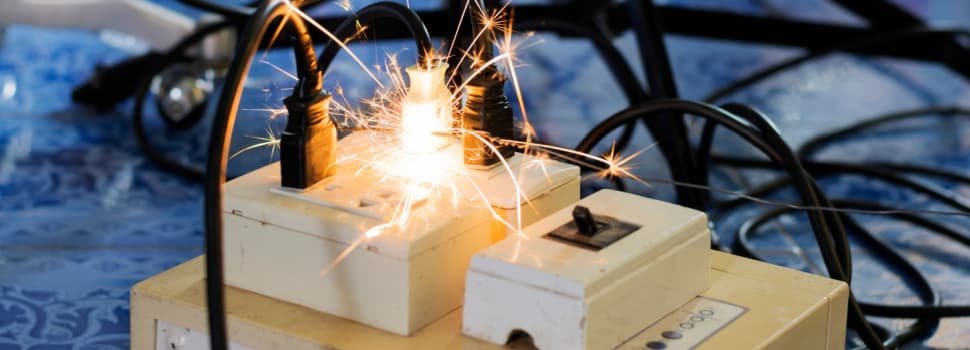
Electrical hazards are present in almost every home, but they often go unnoticed until a serious problem occurs. These hazards can lead to fires, electric shocks, or damage to appliances if not properly managed. In many cases, the risks develop slowly over time due to aging wiring, overloaded circuits, or improper use of electrical systems.
Modern households rely heavily on electricity, which increases the chances of unsafe conditions forming. From multiple devices running at once to outdated electrical systems, even small issues can create dangerous situations. Understanding these risks is the first step toward preventing accidents and maintaining a safe living environment.
Faulty Wiring and Its Hidden Dangers
One of the most common electrical hazards in homes is faulty or outdated wiring. Over time, wires can degrade, insulation can wear down, and connections can loosen. This increases the risk of short circuits, overheating, and electrical fires.
Older homes are especially vulnerable because their wiring systems were not designed for modern electrical loads. When wiring cannot handle current demand, it becomes strained, which may lead to sparks or heat buildup inside walls. These issues are often hidden, making professional inspection essential for detection and prevention.
Overloaded Circuits and Excess Power Demand
Overloaded circuits occur when too many devices are connected to a single electrical circuit. This is a frequent issue in kitchens, living rooms, and home offices where multiple appliances operate simultaneously.
When a circuit is overloaded, breakers may trip to prevent damage, but repeated overloads can weaken the system over time. In some cases, overheating wires may not trigger immediate shutdowns, increasing the risk of fire. Proper load distribution is essential to avoid putting excessive pressure on a single circuit.
Electrical Shock Risks from Damaged Outlets
Damaged or worn-out outlets are another serious hazard in many homes. Cracked outlets, loose connections, or exposed wiring can lead to accidental electric shocks. This risk increases in areas where moisture is present, such as bathrooms, kitchens, or outdoor spaces.
Even minor damage to outlets should not be ignored. Over time, small issues can worsen and create unsafe conditions for anyone using the electrical system. Regular inspection helps identify and replace faulty outlets before they become dangerous.
Improper Use of Extension Cords and Power Strips
Extension cords and power strips are commonly used in homes to increase access to electrical outlets. However, improper use can create significant hazards. Overloading these devices or using them as permanent wiring solutions increases the risk of overheating and fire.
Many homeowners rely too heavily on extension cords instead of installing additional outlets. This practice places unnecessary strain on the electrical system and can lead to long-term safety issues. Proper usage and load awareness are essential for preventing accidents.
Water and Electricity: A Dangerous Combination
Water is one of the most dangerous elements when it comes into contact with electricity. Wet environments increase the risk of electrical shock, especially when appliances or outlets are not properly protected.
Bathrooms, kitchens, laundry rooms, and outdoor areas require special attention to ensure electrical safety. Ground Fault Circuit Interrupters (GFCIs) are designed to shut off power when moisture-related issues are detected, significantly reducing the risk of shock in these areas.
Preventing Hazards Through Regular Inspections
Routine electrical inspections are one of the most effective ways to prevent hazards in the home. Over time, electrical systems naturally wear down, and small issues can develop into larger problems if left unchecked.
Professional inspections help identify faulty wiring, overloaded circuits, and outdated components before they become dangerous. A qualified professional electrician can assess the entire system and recommend necessary repairs or upgrades to improve safety.
Importance of Upgrading Outdated Electrical Systems
Older electrical systems are often not equipped to handle modern energy demands. Homes built decades ago may still rely on outdated panels or wiring that are no longer safe under current usage conditions.
Upgrading these systems reduces the risk of overloads, improves efficiency, and enhances overall safety. Modern electrical systems are designed with advanced protection features that respond more effectively to potential hazards, making upgrades a key part of long-term prevention.
Safe Appliance Usage and Maintenance Practices
Appliances play a major role in household electrical usage, and improper handling can lead to hazards. Faulty appliances, damaged cords, or overused equipment can create risks such as short circuits or overheating.
Regular maintenance and proper usage help reduce these risks. Appliances should always be used according to manufacturer guidelines, and any signs of damage should be addressed immediately. Unplugging unused devices also helps reduce unnecessary electrical load.
Warning Signs That Should Never Be Ignored
Homes often show early warning signs before serious electrical problems occur. These signs include flickering lights, burning smells near outlets, warm switch plates, or frequent breaker trips. While they may seem minor, they often indicate deeper electrical issues.
Ignoring these warning signs can lead to more serious hazards over time. Immediate attention and professional evaluation are essential to prevent escalation and ensure safety throughout the home.
When to Call a Professional Electrician
Electrical systems are complex and should never be handled without proper knowledge and training. Attempting DIY repairs can increase risks and lead to further damage. Professional electricians have the expertise to safely diagnose and resolve electrical issues.
Trusted electricians like Edison Electric offer expert inspection, repair, and maintenance services to ensure home electrical systems remain safe and efficient. Their experience helps homeowners address potential hazards before they become serious problems.
Conclusion
Electrical hazards are a common but serious concern in every home. From faulty wiring and overloaded circuits to water exposure and outdated systems, these risks can develop silently but have dangerous consequences if ignored.
Preventing electrical hazards requires awareness, regular inspections, and responsible usage of electrical systems. With proper maintenance and professional support, homeowners can significantly reduce risks and create a safer living environment for everyone in the home.


Stacie Zabka: Life, Family, and Public Profile

HappyMod: A Complete Guide to the Popular Modded App Platform

Kicker and Kicker Online: A Complete Guide to Football Gaming and Entertainment

Gareth Varey: The Architect of Modern Artist Management

Liza Tarbuck Illness: Health, Career, and Public Awareness

son simon now simon anthony blackburn: From Celebrity Son to Private Life
-
 Fashion7 months ago
Gareth Varey: The Architect of Modern Artist Management
-
 CALEBRITIES8 months ago
Liza Tarbuck Illness: Health, Career, and Public Awareness
-
 Business8 months ago
son simon now simon anthony blackburn: From Celebrity Son to Private Life
-

 Politics7 months ago
Jeffrey Donaldson Daughter Claire: Family Life, Privacy, and Personal Influence
-

 Entertainment8 months ago
Alice Bhandhukravi Illness: Separating Fact from Rumor and Understanding Her Health Status
-

 Politics8 months ago
Piers Pottinger: A Comprehensive Profile of a PR and Corporate Communications Veteran
-
 Business8 months ago
Is Peter Cardwell Married? A Deep Dive Into His Life, Career, and Personal Relationships
-

 Sports7 months ago
Desislava Bozhilova Married: Exploring Public Curiosity and a Strongly Guarded Private Life