
celebrity
Ted Danson Blackface: Understanding the 1993 Whoopi Goldberg Roast Controversy

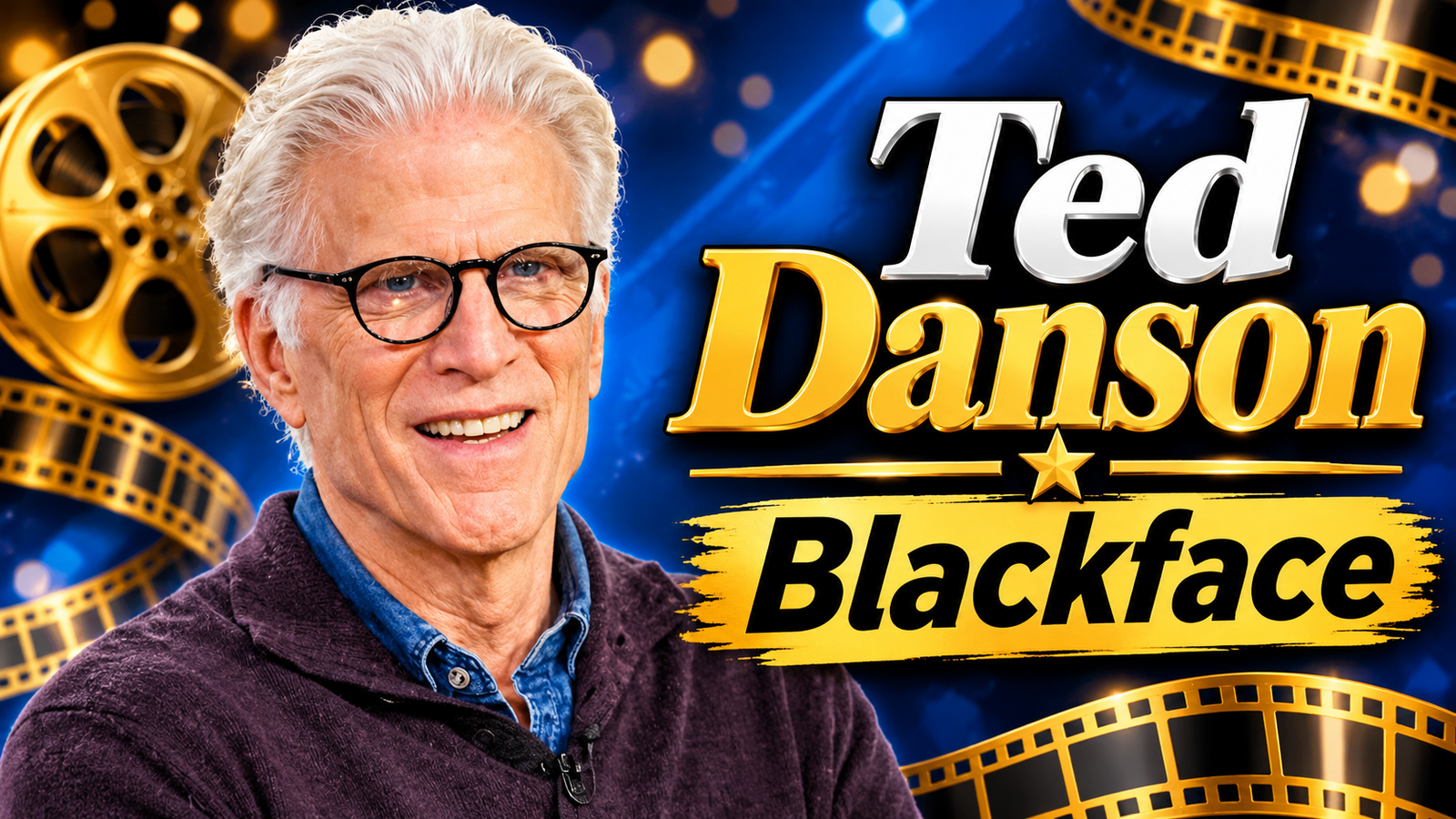
Ted Danson Blackface is a well-known American actor recognized for his successful career in television and film, particularly for his memorable role as Sam Malone in the popular sitcom Cheers. However, one incident from his personal and professional history continues to attract public attention: the Ted Danson blackface controversy at a 1993 Friars Club roast honoring actress Whoopi Goldberg.
The incident became a major topic of discussion because Danson appeared in blackface makeup and delivered a comedy routine containing racial slurs and offensive stereotypes. Although the performance was intended as part of an outrageous celebrity roast, it generated significant criticism from audiences, celebrities, and commentators.
More than three decades later, the controversy remains an important example of discussions about racism, comedy, cultural sensitivity, and accountability in the entertainment industry.
What Happened During the Ted Danson Blackface Incident?
The controversy took place on October 8, 1993, at a Friars Club roast in New York City. The event was organized to honor Whoopi Goldberg, who was romantically involved with Danson at the time.
Celebrity roasts traditionally involve comedians and entertainers making provocative, embarrassing, and sometimes offensive jokes about the person being honored. However, Danson’s appearance went beyond what many guests considered acceptable.
He arrived wearing blackface makeup, including exaggerated white makeup around his lips, resembling historical minstrel-show performers. During his routine, he also used a racial slur repeatedly and delivered jokes involving racial stereotypes and his relationship with Goldberg.
The performance quickly attracted criticism, and reports about the incident spread through newspapers and television coverage.
Why Did Ted Danson Wear Blackface?
Danson’s decision to wear blackface was connected to the comedy routine he prepared for Goldberg’s roast. According to contemporary reports, Goldberg supported the performance and reportedly helped develop some of the material.
The couple’s interracial relationship had already attracted public attention, and the routine was presented as provocative humor that challenged social expectations and racial attitudes.
However, Danson’s decision to use blackface was widely criticized because of its historical associations with racist entertainment.
In later reflections, Danson explained that he had believed performance and comedy could make the controversial concept work. He eventually acknowledged that his thinking had been misguided and that his intentions did not erase the harm caused by the performance.
Whoopi Goldberg’s Reaction to the Controversy
Whoopi Goldberg initially defended Danson following the incident. She explained that she had understood the nature of the performance and was comfortable with the jokes because she considered them part of the roast.
Goldberg also criticized people who condemned the routine without understanding the relationship between the two performers.
However, her defense did not convince everyone. Many people argued that an individual’s approval could not automatically make historically racist imagery acceptable to a wider audience.
The disagreement created an important public discussion about racial humor, personal relationships, and the difference between private jokes and public entertainment.
Why Did the Ted Danson Blackface Performance Offend People?
To understand the backlash, it is important to understand the history of blackface in American entertainment.
Blackface originated in theatrical performances in which white performers darkened their skin to portray Black people. These performances frequently relied on exaggerated facial features, racial stereotypes, and insulting representations of African Americans.
Minstrel shows helped spread harmful ideas about Black identity and culture throughout American society.
Danson’s appearance reminded many viewers of this painful history.
Several aspects of the performance contributed to the criticism:
- Historical associations: Blackface has a long history of racist representations and discrimination.
- Racial language: The routine included repeated use of an offensive racial slur.
- Stereotypes: Some jokes relied on racial caricatures that audiences considered degrading.
- Public visibility: Although the event was a private celebrity roast, photographs and media reports brought the performance to a much wider audience.
- Cultural sensitivity: Many people believed that racial subjects required greater consideration, even in comedy.
The controversy demonstrated that comedy does not exist separately from its cultural and historical context.
Celebrities and Public Figures Who Criticized the Performance
The incident generated strong reactions from several prominent individuals.
New York City Mayor David Dinkins expressed disappointment with the performance and described the jokes as inappropriate. Television personality Montel Williams also publicly criticized Danson’s appearance and reportedly left the event.
Other commentators argued that the performance crossed a line between provocative comedy and offensive racial representation.
Not everyone agreed with the criticism. Some entertainers and guests defended the routine, arguing that Friars Club roasts were traditionally known for their outrageous humor.
Nevertheless, the incident became a significant national discussion about the limits of comedy.
How Did the Controversy Affect Ted Danson’s Career?
Ted Danson continued working in Hollywood after the 1993 controversy. He remained a successful television actor and later appeared in several popular productions, including Becker, Damages, CSI: Cyber, The Good Place, and Curb Your Enthusiasm.
The blackface incident remained part of his public history, however, and occasionally returned to public discussion.
The controversy also demonstrated how a single public performance can influence an entertainer’s reputation long after the original event.
Rather than ending Danson’s career, the incident became a lasting example of a controversial moment in his professional life.
Ted Danson’s Apology and Reflections on the Incident
In later years, Danson revisited the controversy and expressed regret about his decision to perform in blackface.
In June 2026, he discussed the incident on comedian W. Kamau Bell’s podcast, Who’s With Me? He acknowledged that his decision had been arrogant and misguided.
Danson also emphasized that he could explain what he had been thinking at the time without using those explanations as an excuse.
He expressed his intention to continue apologizing for the incident, recognizing that people who encounter the story today may still feel offended or disappointed by his actions.
His more recent comments demonstrated a willingness to acknowledge the difference between personal intentions and the broader impact of public behavior.
Important Lessons From the Ted Danson Blackface Controversy
The incident provides several lessons about entertainment, responsibility, and cultural awareness.
- Historical context matters: Understanding the history behind certain symbols and performances is essential when creating comedy.
- Intentions are not everything: A performer may intend to entertain but still cause genuine harm.
- Public reactions deserve consideration: Different audiences can interpret the same joke in very different ways.
- Comedy requires responsibility: Humor can challenge social expectations without necessarily relying on degrading stereotypes.
- Accountability matters: Recognizing mistakes and taking responsibility can be important steps toward personal growth.
These lessons remain relevant in modern entertainment, where social media allows controversial performances to reach millions of people almost instantly.
Conclusion
The Ted Danson blackface controversy remains one of the most discussed incidents associated with the actor’s personal history. What began as a provocative comedy routine at Whoopi Goldberg’s 1993 Friars Club roast developed into a much larger conversation about racism, entertainment, and cultural responsibility.
Although Goldberg initially defended the performance, many people viewed Danson’s blackface makeup and racial jokes as deeply offensive because of their historical associations.
Danson’s later expressions of regret have added another dimension to the story, highlighting the importance of acknowledging mistakes rather than dismissing their consequences.
Ultimately, the incident serves as a reminder that comedy, regardless of its setting or intended audience, can have a lasting cultural impact.


Jordan Broad: Everything You Need to Know About Jordan Broad

Sign Language Interpreter Near Me: How to Find Professional Interpreting Services

Link Vào UU88 – Discover NỔ HŨ UU88 and an Exciting Online Entertainment Experience

Gareth Varey: The Architect of Modern Artist Management

Liza Tarbuck Illness: Health, Career, and Public Awareness

Jeffrey Donaldson Daughter Claire: Family Life, Privacy, and Personal Influence
-
 Fashion9 months ago
Gareth Varey: The Architect of Modern Artist Management
-
 CALEBRITIES10 months ago
Liza Tarbuck Illness: Health, Career, and Public Awareness
-
 Politics9 months ago
Jeffrey Donaldson Daughter Claire: Family Life, Privacy, and Personal Influence
-

 Entertainment10 months ago
Alice Bhandhukravi Illness: Separating Fact from Rumor and Understanding Her Health Status
-
 Business10 months ago
son simon now simon anthony blackburn: From Celebrity Son to Private Life
-

 Politics10 months ago
Piers Pottinger: A Comprehensive Profile of a PR and Corporate Communications Veteran
-

 Entertainment9 months ago
Is Alice Bhandhukravi Married? A Complete Look at Her Personal Life and Career
-

 Sports9 months ago
Desislava Bozhilova Married: Exploring Public Curiosity and a Strongly Guarded Private Life