News
Integrated Aquatic Protection: Evaluating Advanced Emergency Response Programs

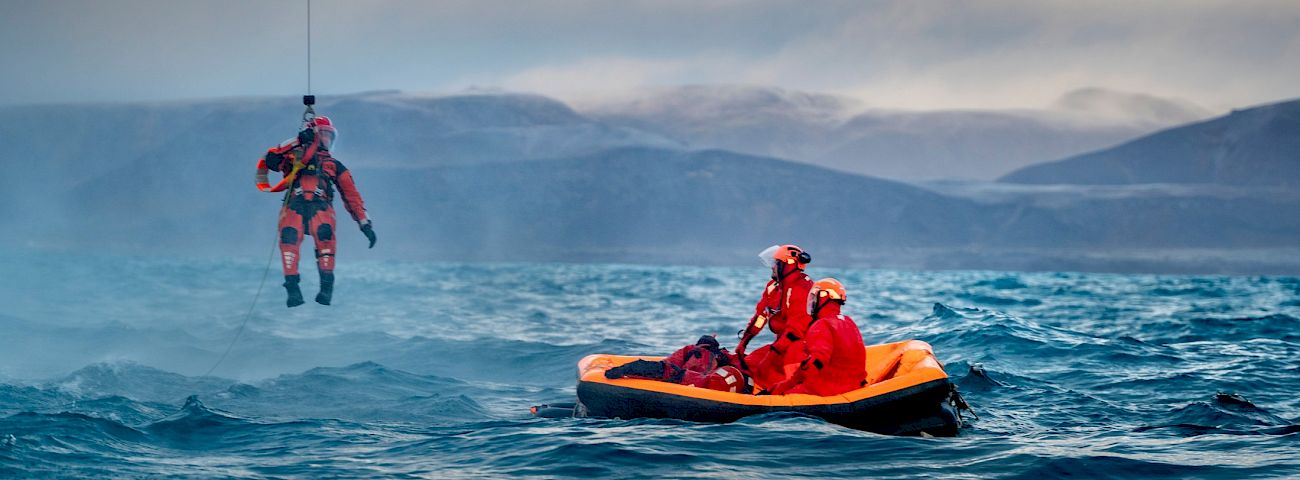
Navigating Modern Water Hazard Prevention
Water safety in cities has undergone substantial changes. The design of swimming pools in public places has now become more complex than ever. In these situations, protecting human lives is not a common skill. It has now become a complete technical field. A professional lifeguard always thinks faster than an ordinary person. He can recognize even the smallest abnormal flow on the water surface in seconds. An individual can’t become a great rescuer without understanding these minor signs through regular courses.
New lifeguards have to face intense live pressure in the initial stages. If training quality is poor, guards may become scared during emergencies. The drowning person often tries to pull the rescuer down with them. Scientifically untying this dangerous knot is the core of lifeguard courses. Using modern rescue gas kits at an accident scene is a big challenge. The urgency makes it even harder. We can close these operational gaps with a modern, effective curriculum.
Redefining Operational Benchmarks: Global Safety Shifts and Digital Frameworks
The new Health and Safety Index updates lifeguard rules for the entertainment industry. Insurance boards around the world are now integrating water park monitoring with automated systems. Recent safety circulars show that companies are facing millions of fines. This is mainly due to untrained staff. The American Lifeguard Association (ALA) has switched its registration to cloud-based verification portals.
Now, checking the credentials of a lifeguard is just a click away for any resort manager. This digital transformation has closed the door on fake records in the market. Major hotel chains now only keep guards with verified credentials during audits. This security upgrade has made lifeguard courses much more important in the commercial market. Every water center, big or small, must send staff on high-tech courses. This is needed to keep their business legally secure.
Testing Kinetic Endurance: Strict Physical In-Water Targets
Candidates must demonstrate their fitness on the first day to join these programs. Experts consider this physical testing the backbone of lifeguard courses. Instructors observe every move in the water with intense focus. If a candidate fails, they cannot attend the next class.
- The candidates had to swim 300 yards in the water. They did this without a life jacket or swimming trunks. It was a true test of their stamina.
- You must dive into the deepest part of the water, about 10 feet down. Then, find a 10-pound dummy body and bring it back up within a set of time.
- The candidate must keep both hands on his chest. He needs to float on the water’s surface for 2 minutes. He can only use his legs for this.
The sole purpose of all these rigorous tests is to make the guard’s own muscular system extremely strong. A lifeguard needs to keep breathing while pulling a heavy person through a fast stream. If the guard loses his balance due to exhaustion, the entire rescue operation will fail. This is why even an inch of flexibility in these physical parameters is not possible.
The Architecture of Blended Learning: Balancing Remote Theory with Tactical Pools
Lifeguard courses are now more flexible and easier to meet current needs. The blended learning model has now become a new standard across the world. Under this model, candidates do not have to travel daily for long manual classes. All the course’s theory, legal rules, and water safety principles are now online. Candidates can study these medical codes easily on their computers at home.
Once the candidate clears the online theory exams, he is called for live pool sessions. In these in-person sessions, instructors have candidates to practice modern live water rescue techniques. This blend of digital theory and hands-on practice boosts learning and makes it faster. Corporate managers are now more interested in hiring lifeguards who fit this model. Their knowledge is completely updated.
Sub-Surface Rescue Mechanics and Strategic Spinal Immobilization
A lifeguard’s most important job is rescuing an unconscious person from the water. Candidates learn to spot targets underwater with their eyes open during the courses. Even a few seconds of swinging can be crucial when pulling out a 10-pound dummy. If the guard slows down, the victim’s brain can lose its oxygen supply.
This deep-water rescue includes special live exercises for managing serious spinal and neck injuries. If a swimmer gets a neck injury from a high dive, keep their spine straight when pulling them from the water. Lifeguards use a special water backboard to completely immobilize the patient underwater. This manual technique is essential. It protects the nervous system from serious, lasting damage.
Cardiopulmonary Resuscitation Frameworks and Multi-Rescuer Team Coordination
Once the victim is on the deck, the clinical life support process starts. Lifeguard courses include rigorous training in performing CPR, both individually and in teams. Lifeguards must memorize different chest compression ratios for adults, children, and young infants.
We conduct live simulations using an automated external defibrillator (AED) in the field. This advanced machine sends a mild electric shock to restart a stopped heart rhythm. Lifeguards learn where to place the machine’s pads on the patient. They also know how to keep the rest of the rescue team away when delivering the shock. If the lifeguard’s response time is not fast, the entire clinical life support process is in vain.
Corporate Advantages: Commercial Value and Risk Liability Mitigation
This genuine qualification can open doors to high-paying jobs in the corporate sector. International cruise lines, luxury resorts, and big government water parks need certified lifeguards. These commercial establishments provide these guards with excellent salary packages, medical cover, and other good holiday allowances as they have a credible certificate.
For commercial property managers, having these certified lifeguards as part of their team also proves to be a legal shield. Certified staff help lower their insurance policy rates. Property owners won’t face heavy fines, third-party claims, or court proceedings if an accident happens. This advanced training provides permanent legal protection to the entire business setup.
Frequently Asked Questions (FAQs)
1. Why are the structural design formats of modern lifeguard courses changing globally?
Modern water parks and swimming pools are complex. So, courses now include cloud-based digital theory and advanced surveillance techniques.
2. What is the role of cloud-based portals in verifying these courses?
Cloud-based portals let hotel managers and safety auditors quickly check lifeguard credentials and training records. Just one click does it! This cuts down on the risk of fraud.
3. How does spinal board stabilization save lives during a deep-water rescue?
This technique fully immobilizes the patient’s neck and spine underwater. It helps prevent permanent paralysis of the nervous system.
4. Can a candidate take a review option if their skills need an upgrade after two years?
Yes, every two years, lifeguards must pass review classes. This keeps their rescue card active. It also ensures their clinical and physical skills are current.



Integrated Aquatic Protection: Evaluating Advanced Emergency Response Programs

Rachel Caesar: Biography, Background, Career, and Personal Life

US Teacher Appreciation Day 2025: Date, History, Ideas, and Ways to Celebrate

Gareth Varey: The Architect of Modern Artist Management

Liza Tarbuck Illness: Health, Career, and Public Awareness

Jeffrey Donaldson Daughter Claire: Family Life, Privacy, and Personal Influence
-
 Fashion9 months ago
Gareth Varey: The Architect of Modern Artist Management
-
 CALEBRITIES9 months ago
Liza Tarbuck Illness: Health, Career, and Public Awareness
-
 Politics8 months ago
Jeffrey Donaldson Daughter Claire: Family Life, Privacy, and Personal Influence
-

 Entertainment9 months ago
Alice Bhandhukravi Illness: Separating Fact from Rumor and Understanding Her Health Status
-

 Business9 months ago
son simon now simon anthony blackburn: From Celebrity Son to Private Life
-

 Politics9 months ago
Piers Pottinger: A Comprehensive Profile of a PR and Corporate Communications Veteran
-

 Sports8 months ago
Desislava Bozhilova Married: Exploring Public Curiosity and a Strongly Guarded Private Life
-

 Entertainment9 months ago
Is Alice Bhandhukravi Married? A Complete Look at Her Personal Life and Career