
Blog
Passenger Elevator Manufacturer: Complete Guide to Choosing the Right Elevator

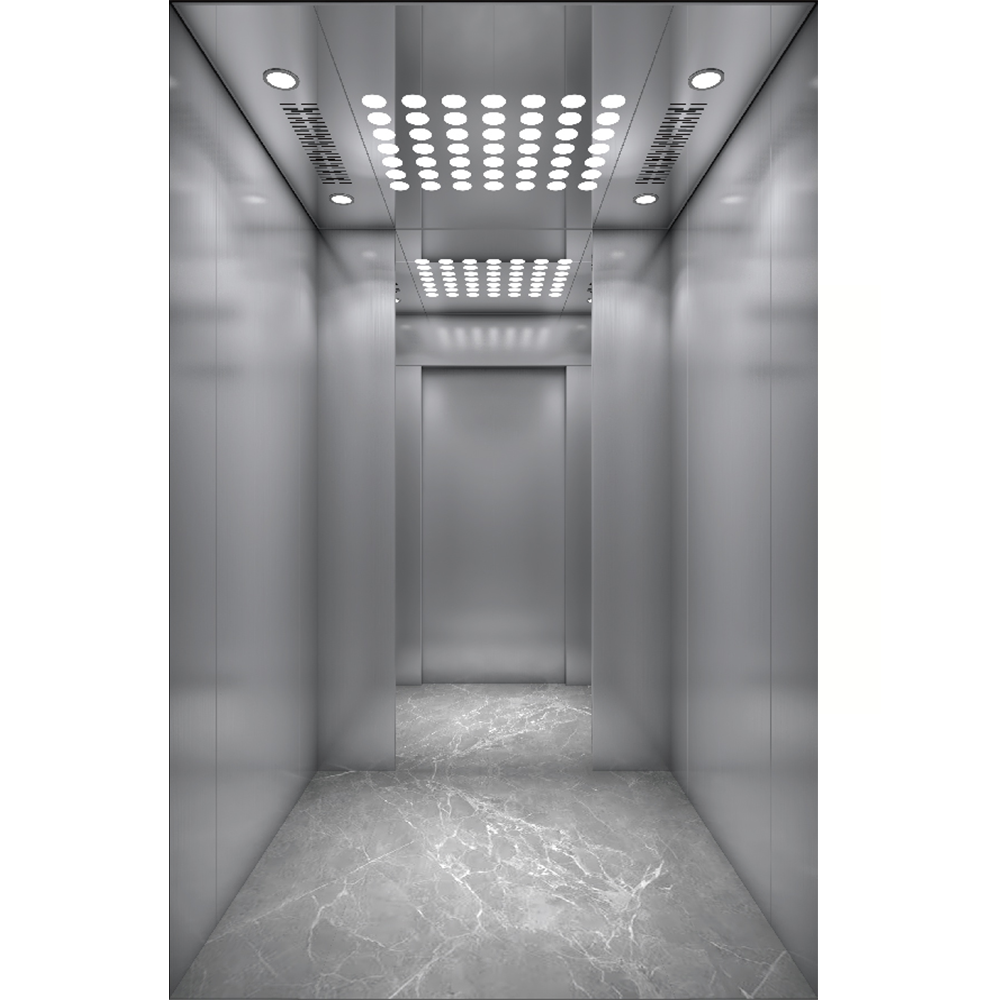
A passenger elevator manufacturer provides the equipment and technology needed to move people safely between different floors of a building. Passenger elevators are now common in apartments, offices, hotels, hospitals, shopping malls, schools, and high-rise buildings.
Selecting the right elevator is an important part of construction planning. A suitable system should offer safety, comfort, reliability, good performance, and reasonable operating costs. The manufacturer also plays an important role because installation, maintenance, spare parts, and technical support can affect the elevator’s long-term performance.
Before choosing a supplier, building owners and developers should understand the available elevator types, important features, capacity requirements, and maintenance needs. This guide covers the key points to consider.
What Is a Passenger Elevator Manufacturer?
A passenger elevator manufacturer designs and supplies elevator systems made for transporting people. Depending on the company, its services may include engineering, manufacturing, installation, testing, modernization, and maintenance.
An elevator system includes many parts that must work together correctly. These can include the elevator cabin, doors, motor, controller, guide rails, drive system, safety equipment, and operating panels.
A professional manufacturer can help determine which system is appropriate for a specific building. This usually requires information about building height, floor count, passenger traffic, available shaft space, and expected usage.
Why Passenger Elevators Are Important
Passenger elevators make movement through multi-story buildings faster and more convenient. They are especially useful where large numbers of people need to travel between floors.
Elevators also support accessibility. People with mobility difficulties, older passengers, families with young children, and visitors carrying luggage can benefit from convenient vertical transportation.
In commercial properties, reliable elevators can also improve the experience of employees and visitors. In residential buildings, smooth and quiet operation can add to everyday comfort.
Types of Passenger Elevators
There are several types of passenger elevators available for different building requirements.
Traction elevators use electric motors and ropes to move the elevator car. They are widely used in residential and commercial buildings.
Gearless traction elevators can support higher speeds and longer travel distances. They are often considered for taller buildings.
Machine-room-less elevators, or MRL elevators, are designed to reduce the need for a traditional machine room. This can provide greater flexibility during building design.
Hydraulic elevators use hydraulic pressure to move the elevator car. They can be useful for selected low-rise applications.
The best elevator type depends on the project’s design, traffic, height, budget, and technical requirements.
Main Components of a Passenger Elevator
A modern passenger elevator contains several important components.
The elevator car carries passengers between floors. Automatic doors provide controlled access to the cabin. Guide rails help keep the car aligned as it travels.
The controller manages elevator operation. The drive and motor system control movement, acceleration, and stopping.
Other important components include sensors, emergency systems, brakes, lighting, alarm equipment, and operating buttons.
Because all these parts work as one system, component quality and proper installation are important for reliable performance.
Important Elevator Safety Features
Safety is one of the most important factors when choosing a passenger elevator manufacturer.
Modern elevators can include door safety sensors, overload protection, emergency brakes, alarm buttons, emergency lighting, communication systems, and backup features.
Door sensors can help prevent doors from closing when an object or passenger is detected. Overload systems can prevent operation when the permitted capacity is exceeded.
The elevator should also be installed, inspected, and maintained according to applicable local requirements and safety standards.
How to Select Elevator Capacity
Elevator capacity should match the expected number of passengers. A small residential building may require a different solution from a busy office tower.
Manufacturers generally specify elevator capacity by maximum load. Passenger traffic should also be considered when deciding the number and size of elevators.
If an elevator is too small for a busy building, passengers may experience overcrowding and longer waiting times.
A professional manufacturer can assess expected traffic and recommend appropriate capacity.
Understanding Elevator Speed
Elevator speed is another important consideration. A low-rise building may work well with a different speed specification than a high-rise building.
The required speed depends on travel distance, building height, passenger traffic, and elevator purpose.
Higher speed can reduce travel time, but elevator performance must also provide comfortable acceleration and stopping.
The manufacturer should evaluate the complete building requirement rather than selecting speed based on a single factor.
Energy Efficiency in Passenger Elevators
Energy consumption is an important consideration for building owners. Modern elevators may include technologies designed to reduce electricity use.
Examples include efficient motors, LED lighting, standby modes, variable-speed drives, and regenerative systems.
Regenerative technology can recover energy during certain operating conditions. Automatic lighting and standby functions can also reduce unnecessary energy consumption when the elevator is not busy.
When comparing systems, buyers should consider both energy performance and long-term maintenance requirements.
Passenger Elevator Cabin Design
The elevator cabin is one of the most visible parts of the system. Manufacturers can offer different interior designs to match a building’s appearance.
Options may include stainless steel finishes, glass panels, decorative ceilings, different flooring materials, handrails, lighting systems, and customized control panels.
A hotel may require a stylish cabin, while a hospital may need durable and easy-to-clean materials. Residential buildings may focus on comfort, appearance, and quiet operation.
Customization allows the elevator to fit the overall architectural design.
Installation and Testing Process
Professional installation is essential for elevator performance. Before installation begins, the shaft, power supply, structural conditions, and other requirements should be checked.
The installation team then assembles and connects the elevator components according to the manufacturer’s specifications.
After installation, the elevator should be tested carefully. Testing can include door operation, controls, emergency systems, braking, leveling, and other functions.
Proper commissioning helps ensure that the system is ready for safe passenger use.
Maintenance and Technical Support
Elevators are long-term equipment and require regular maintenance. A maintenance program can help identify worn components and potential problems before they become serious.
A reliable passenger elevator manufacturer may provide scheduled servicing, spare parts, emergency assistance, inspections, and modernization services.
Before purchasing, ask about warranty coverage and after-sales support. It is also useful to understand how quickly spare parts and technical assistance can be provided.
How to Choose a Passenger Elevator Manufacturer
Start by reviewing the manufacturer’s experience and available products. Look for a supplier that understands the requirements of your type of building.
Compare technical specifications, safety features, installation services, warranties, maintenance plans, and customization options.
Request a detailed quotation that clearly explains the equipment and services included. Ask questions about installation schedules and future maintenance.
It is important to consider long-term value rather than focusing only on the initial purchase price.
Factors That Affect Elevator Cost
Several factors can influence the cost of a passenger elevator.
These include elevator capacity, speed, building height, number of floors, cabin design, technology, installation complexity, and customization.
Maintenance and energy consumption can also affect the total cost of ownership.
A detailed quotation can help buyers understand the difference between various elevator solutions and avoid unexpected expenses.
Common Mistakes When Buying an Elevator
Choosing an elevator only because it has a low initial price can create problems later. Buyers should consider quality, service, safety, and operating costs.
Another mistake is failing to calculate passenger traffic. Insufficient capacity can lead to frequent delays.
Ignoring maintenance is also a common error. Even a high-quality elevator requires professional servicing.
Finally, buyers should avoid unclear contracts. Equipment specifications, installation work, warranty terms, and maintenance responsibilities should be clearly documented.
Frequently Asked Questions
What does a passenger elevator manufacturer provide?
A manufacturer may provide elevator design, equipment, installation, testing, maintenance, modernization, and spare parts.
Which elevator type is best?
There is no single type for every building. The right system depends on height, traffic, space, budget, and technical requirements.
How is elevator capacity determined?
Capacity depends on expected passenger traffic and building requirements. Manufacturers can recommend a suitable load rating and cabin size.
Are passenger elevators customizable?
Yes. Cabin finishes, lighting, flooring, control panels, doors, and other interior elements can often be customized.
Why is elevator maintenance important?
Regular maintenance helps support safe operation, reliable performance, and longer equipment life.
What should I ask a manufacturer before buying?
Ask about safety features, capacity, speed, installation, warranty, maintenance, spare parts, energy use, and technical support.
Final Thoughts
Choosing a passenger elevator manufacturer is an important decision for any building project. The right system should match the property’s size, passenger demand, design, safety requirements, and long-term operating needs.
Before making a purchase, compare manufacturers based on product quality, technical capabilities, installation services, maintenance support, warranties, and customization options.
A well-designed passenger elevator can provide convenient and reliable transportation for years. Careful planning and professional support can help building owners achieve a safe, comfortable, and efficient vertical transportation solution.


HappyMod: A Complete Guide to the Popular Modded App Platform

Kicker and Kicker Online: A Complete Guide to Football Gaming and Entertainment

Blackops Uncovered: The Full Covert Operations Guide

Gareth Varey: The Architect of Modern Artist Management

Liza Tarbuck Illness: Health, Career, and Public Awareness

son simon now simon anthony blackburn: From Celebrity Son to Private Life
-
 Fashion7 months ago
Gareth Varey: The Architect of Modern Artist Management
-
 CALEBRITIES8 months ago
Liza Tarbuck Illness: Health, Career, and Public Awareness
-
 Business8 months ago
son simon now simon anthony blackburn: From Celebrity Son to Private Life
-

 Politics7 months ago
Jeffrey Donaldson Daughter Claire: Family Life, Privacy, and Personal Influence
-

 Entertainment8 months ago
Alice Bhandhukravi Illness: Separating Fact from Rumor and Understanding Her Health Status
-

 Politics8 months ago
Piers Pottinger: A Comprehensive Profile of a PR and Corporate Communications Veteran
-

 Business8 months ago
Is Peter Cardwell Married? A Deep Dive Into His Life, Career, and Personal Relationships
-

 Sports7 months ago
Desislava Bozhilova Married: Exploring Public Curiosity and a Strongly Guarded Private Life