
Blog
Complete Guide to Growing and Caring for Podocarpus Buddhist Pine

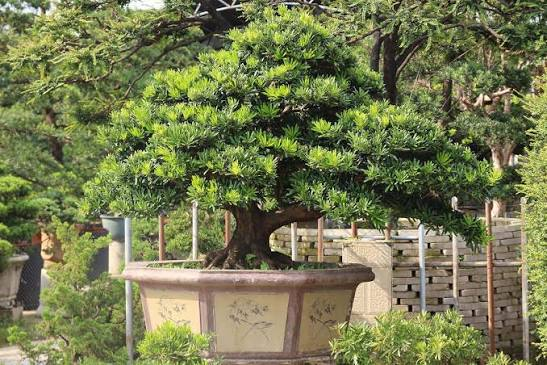
The Podocarpus Buddhist Pine, botanically known as Podocarpus macrophyllus, is one of the most versatile, durable, and attractive evergreen plants used in modern horticulture. Native to southern Japan and eastern China, this plant is frequently called the Buddhist pine, Japanese yew, or yew plum pine. Despite its common name, it is not a true pine tree. Instead, it belongs to the Podocarpaceae family, a distinct group of conifers known for their dense, leathery, strap-like foliage and exceptional adaptable nature.
Gardeners, landscapers, and indoor plant enthusiasts appreciate the Buddhist pine for its rich, deep green foliage, erect growth habit, and incredible resilience. Whether cultivated outdoors as a privacy screen, maintained inside as a elegant houseplant, or trained carefully into an exquisite bonsai, Podocarpus macrophyllus adds timeless structure and tranquility to any plant collection.
Essential Botanical Characteristics
The Podocarpus Buddhist Pine stands out due to several unique physical attributes:
- Foliage: The leaves are narrow, flattened, needle-like straps, typically measuring 2 to 4 inches long. New foliage emerges in a vibrant light green shade before darkening into a rich, lustrous dark green.
- Growth Habit: Outdoors, it grows naturally upright and columnar. It can reach heights between 20 to 40 feet with a spread of 10 to 20 feet, though regular pruning keeps it much smaller.
- Bark: The trunk and mature branches feature attractive gray to reddish-brown bark that flakes off in long, thin strips as the tree matures.
- Cones and Fruits: As a dioecious species, male and female plants produce different cones. Female plants produce fleshy, berry-like red-to-purple structures that attract birds, though these fleshy seed covers are toxic to domestic pets.
Ideal Growing Conditions
To ensure your Podocarpus Buddhist Pine thrives, establishing the right climate and lighting foundation is vital.
- Light Requirements: Podocarpus macrophyllus performs best in full sunlight to partial shade. Outdoors, providing 4 to 6 hours of direct sun daily encourages dense growth. Indoors, place it near bright, indirect light source like an east- or south-facing window.
- Temperature and Hardiness: The Buddhist pine thrives outdoors in USDA Hardiness Zones 8 through 11. It prefers warm temperatures but can tolerate brief drops down to around 20°F (-6°C). Cold drafts or abrupt temperature changes indoors should be avoided.
- Soil Requirements: Adequate drainage is critical. Soil should be rich, well-draining, and slightly acidic to neutral (pH 5.5 to 7.0). Clay or overly heavy soils should be amended with organic matter or coarse sand to prevent waterlogging.
Water and Fertilizer Needs
Proper watering practices keep the foliage lush and prevent root issues.
- Watering Strategy: Water deeply when the top 2 inches of soil feel dry to the touch. The Buddhist pine is moderately drought-tolerant once established, but it thrives with consistent moisture. Avoid leaving the roots in stagnant water, as root rot is its primary vulnerability.
- Fertilization: Apply a balanced, slow-release fertilizer designed for conifers or evergreens in early spring and again in mid-summer. Alternatively, use a dilute liquid fertilizer monthly during the active growing season (spring through early autumn). Reduce or suspend feeding during late autumn and winter.
Pruning, Shaping, and Maintenance
The Podocarpus Buddhist Pine is renowned for its tolerance to heavy pruning, making it a favorite for hedging and topiary art.
- Hedging: Prune the tips during spring growth to stimulate side branching and form a tight, opaque screen.
- Bonsai Training: Due to its small leaves, fibrous bark, and flexible stems, it makes an ideal specimen for bonsai beginners and experts alike. Wiring should be done carefully during the growing season.
- General Maintenance: Remove dead, diseased, or crossing branches whenever noticed to maintain airflow and internal light penetration.
Common Pests and Troubleshooting
While remarkably pest-resistant, the Podocarpus Buddhist Pine can occasionally encounter issues:
- Scale Insects and Mealybugs: These sap-sucking pests often settle on the undersides of leaves or along stem joints. Treat minor infestations with insecticidal soap or neem oil.
- Aphids: Young growth can attract aphids in spring. Spraying with a firm stream of water or applying horticultural oil effectively clears them.
- Yellowing Leaves: Often a sign of overwatering or poor soil drainage. Ensure the pot or planting hole drains freely before adjusting watering schedules.


Stacie Zabka: Life, Family, and Public Profile

HappyMod: A Complete Guide to the Popular Modded App Platform

Kicker and Kicker Online: A Complete Guide to Football Gaming and Entertainment

Gareth Varey: The Architect of Modern Artist Management

Liza Tarbuck Illness: Health, Career, and Public Awareness

son simon now simon anthony blackburn: From Celebrity Son to Private Life
-
 Fashion7 months ago
Gareth Varey: The Architect of Modern Artist Management
-
 CALEBRITIES8 months ago
Liza Tarbuck Illness: Health, Career, and Public Awareness
-
 Business8 months ago
son simon now simon anthony blackburn: From Celebrity Son to Private Life
-

 Politics7 months ago
Jeffrey Donaldson Daughter Claire: Family Life, Privacy, and Personal Influence
-

 Entertainment8 months ago
Alice Bhandhukravi Illness: Separating Fact from Rumor and Understanding Her Health Status
-

 Politics8 months ago
Piers Pottinger: A Comprehensive Profile of a PR and Corporate Communications Veteran
-

 Business8 months ago
Is Peter Cardwell Married? A Deep Dive Into His Life, Career, and Personal Relationships
-

 Sports7 months ago
Desislava Bozhilova Married: Exploring Public Curiosity and a Strongly Guarded Private Life