
Blog
Commercial Soap Dispensers: The Ultimate Buying and Maintenance Guide for Businesses

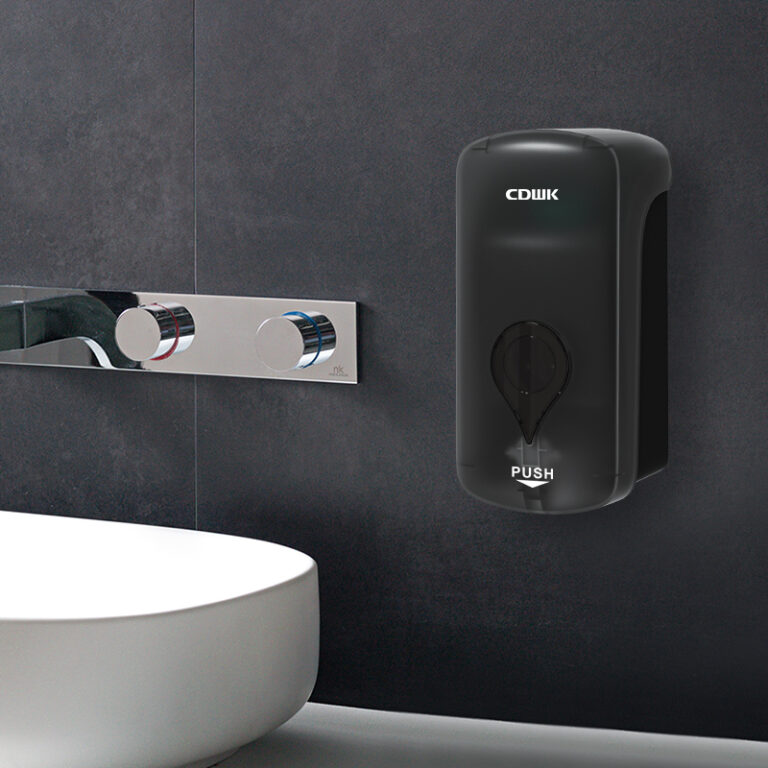
Every high-traffic facility, from busy corporate offices and bustling restaurants to healthcare centers and educational institutions, requires a reliable hygiene infrastructure. At the center of this infrastructure sits an essential yet often overlooked item: the commercial soap dispenser. Selecting the right dispenser is about far more than just providing a place to wash hands. It directly impacts your venue’s operational cost, cleanliness standards, user satisfaction, and maintenance schedules.
The Role of Commercial Soap Dispensers in Modern Facilities
Hand hygiene is the first line of defense against cross-contamination and the spread of illnesses in any shared space. In commercial environments, thousands of people may pass through a single restroom every week. Residential dispensers or flimsy retail options quickly break, run out of product constantly, or create messy counter spills under heavy usage.
Investing in robust commercial soap dispensers ensures that your facility maintains a high standard of cleanliness while presenting a professional image to visitors and employees alike. Modern commercial dispensing systems are engineered for durability, high-capacity usage, precise dosage control, and easy refills.
Primary Types of Commercial Soap Dispensers
Understanding the distinct types of commercial soap dispensers allows facility managers to make tailored decisions based on traffic volume, maintenance capabilities, and design preferences.
Manual Wall-Mounted Dispensers Manual dispensers rely on a physical push-bar or button mechanism. They are time-tested, extremely durable, and require no battery power, making them a cost-effective choice for many public restrooms. Because they have fewer moving parts and no electronic components, they rarely experience internal electronic failures.
Touchless Automatic Soap Dispensers Automatic, sensor-activated dispensers have become the industry standard for modern, hygienic facilities. By eliminating the need for physical contact, touchless dispensers reduce the risk of cross-contamination and bacterial transfer between users. These units run on long-lasting batteries or direct hardwiring and deliver a pre-measured amount of soap every time.
Countertop Mounted Dispensers Counter-mounted dispensers feature a sleek spout that extends over the sink basin, with the reservoir or refilling mechanism hidden beneath the counter. These units provide a clean, minimalist aesthetic preferred in upscale hotels, high-end restaurants, and corporate executive suites. They keep counters clear of clutter and reduce soap dripping onto non-porous surface areas.
Recessed and Combination Units For compact spaces or high-end architectural designs, recessed dispensers sit flush against or inside the wall cavity. Many commercial recessed designs combine a touchless or manual dispenser directly with a paper towel dispenser and trash receptacle, streamlining restroom traffic into single functional stations.
Key Factors to Consider When Buying a Commercial Soap Dispenser
Selecting the best dispenser for your facility involves evaluating specific operational needs and user patterns.
Traffic Volume and Capacity High-traffic facilities like airports and stadiums require bulk liquid or foam refill reservoirs ranging from 1000 mL to 2000 mL or higher. High-capacity units drastically lower the frequency of maintenance checks and prevent dispensers from running empty during peak hours. Low-traffic offices can utilize smaller 500 mL units without sacrificing service quality.
Liquid Soap versus Foam Soap Systems Foam soap dispensers mix liquid soap with air to produce a rich lather, utilizing significantly less liquid per wash cycle. Facilities that switch from standard liquid soap to foam often report up to 30 to 40 percent savings in total liquid consumption. Additionally, foam soap lathers faster and rinses off with less water, lowering overall utility bills.
Refill Systems: Bulk Pour versus Sealed Cartridge Facility managers must choose between open bulk-fill containers and closed sanitary cartridges. Bulk dispensers allow staff to pour liquid soap directly into a tank, which lowers the cost per fluid ounce. Closed cartridge systems, on the other hand, utilize pre-sealed bags or bottles that click into place. Cartridges prevent contamination inside the reservoir and offer faster, cleaner swaps for janitorial teams.
Material and Durability Commercial restrooms face heavy wear and occasional vandal abuse. ABS plastic is a popular, impact-resistant choice that resists corrosion from chemical exposure. Stainless steel, particularly 304-grade brushed stainless steel, offers maximum resistance against physical damage, rust, and moisture, making it ideal for high-vandalism risk areas or humid public environments.
Power Options for Automatic Commercial Dispensers
When opting for automatic touchless systems, power supply management becomes an essential consideration for maintenance schedules.
Standard Battery Power Most touchless commercial units run on standard AA or C-cell batteries designed to last through tens of thousands of dispensing cycles—often up to two years under moderate usage. Look for models featuring low-battery indicator lights so custodial staff can swap batteries before the dispenser stops working.
Hardwired AC Power Systems In large commercial builds or deep renovations, installing hardwired AC adapter power kits completely removes the need for battery replacements. While the initial installation cost is higher due to electrical routing, hardwired units deliver uninterrupted performance and reduce battery waste over time.
Smart Battery-Free Innovations Emerging commercial technologies use ambient light solar panels or micro-hydro generator turbines built inside the water line to power automatic sensors, creating self-sustaining dispensing units that require neither batteries nor complex electrical wiring.
Best Maintenance Practices for Longevity and Hygiene
Proper maintenance ensures that your commercial soap dispensers operate reliably without clogging or leaking.
Establish a Regular Cleaning Routine Exterior surfaces of soap dispensers, especially push buttons and sensor lenses, should be disinfected daily using non-abrasive cleaning agents. Microfiber cloths prevent scratching sensor covers, which could otherwise interfere with infrared signals.
Flush Internal Pumps Periodically Over time, dried soap sediment can build up inside dispensing pumps and nozzles. Periodically flushing the pump mechanism with warm water during bulk refill cycles removes buildup, restores proper flow, and prevents pump burnout.
Monitor and Calibrate Sensor Range If using touchless units, ensure that reflective counter surfaces or shiny faucets do not trigger the infrared sensors accidentally. Many commercial automatic units allow staff to adjust sensor sensitivity and distance to prevent accidental discharge and soap waste.
Elevating Facilities with the Right Commercial Soap Dispenser
A well-chosen commercial soap dispenser balances durability, aesthetic appeal, hygiene performance, and long-term operating costs. By matching your facility’s traffic volume with the proper dispenser type, soap format, and power delivery method, you can provide an exceptional, seamless experience for every visitor while simplifying routine maintenance for your custodial team.


Stacie Zabka: Life, Family, and Public Profile

HappyMod: A Complete Guide to the Popular Modded App Platform

Kicker and Kicker Online: A Complete Guide to Football Gaming and Entertainment

Gareth Varey: The Architect of Modern Artist Management

Liza Tarbuck Illness: Health, Career, and Public Awareness

son simon now simon anthony blackburn: From Celebrity Son to Private Life
-
 Fashion7 months ago
Gareth Varey: The Architect of Modern Artist Management
-
 CALEBRITIES8 months ago
Liza Tarbuck Illness: Health, Career, and Public Awareness
-
 Business8 months ago
son simon now simon anthony blackburn: From Celebrity Son to Private Life
-

 Politics7 months ago
Jeffrey Donaldson Daughter Claire: Family Life, Privacy, and Personal Influence
-

 Entertainment8 months ago
Alice Bhandhukravi Illness: Separating Fact from Rumor and Understanding Her Health Status
-

 Politics8 months ago
Piers Pottinger: A Comprehensive Profile of a PR and Corporate Communications Veteran
-

 Business8 months ago
Is Peter Cardwell Married? A Deep Dive Into His Life, Career, and Personal Relationships
-

 Sports7 months ago
Desislava Bozhilova Married: Exploring Public Curiosity and a Strongly Guarded Private Life