
Business
What is Pro Bono? Free Legal Help Explained Simply

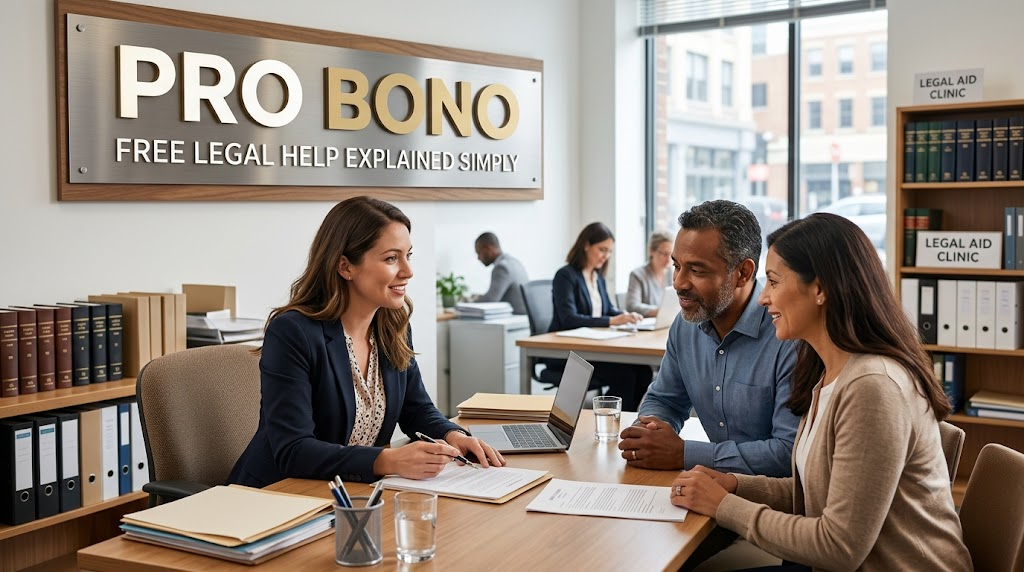
Have you ever heard the phrase pro bono and wondered what it actually means? It sounds a bit like a fancy Latin term, and it is! It comes from the phrase pro bono publico, which means “for the public good.” In the legal world, it means a lawyer gives their time and skills for free to help people who cannot afford to pay. Think of it like a community helper pitching in because it is the right thing to do. Lawyers go to school for many years to learn the rules, and sometimes they use those superpowers to help folks in a tight spot.
When someone has a big legal problem but no money for a lawyer, they might feel scared and alone. That is where free legal services step in to save the day. It is not about making money or winning shiny awards. It is about fairness and making sure everyone gets a fair shake, no matter how much money is in their bank account. Every person deserves a voice when dealing with tough situations. Pro bono work bridges that huge gap between the rich and the poor inside the courtroom doors.
Why Lawyers Do Free Work
You might wonder why a busy lawyer would ever work for free. Don’t they have bills to pay? Absolutely, they do! But most lawyers also care deeply about their local neighborhoods and want to make the world a better place. Law firms often encourage their team members to take on free cases as a way to give back. It feels great to use your hard-earned skills to rescue someone from a scary problem. Plus, it builds strong character and reminds attorneys why they fell in love with the law in the first place.
Many legal professionals also view pro bono hours as a professional duty. In fact, bar associations often suggest that lawyers spend a certain number of hours every single year helping folks who need it most. It is kind of like community service, but using law books instead of a shovel. When an attorney takes on a pro bono case, they treat it with the exact same care and dedication as a million-dollar corporate lawsuit. Everyone gets the same top-notch effort, ensuring true justice for all.
Who Needs Free Legal Help?
Life can throw some very heavy curveballs at people when they least expect it. Many hardworking families live paycheck to paycheck, leaving zero room for unexpected legal fees. If a landlord tries to kick someone out unfairly, or if a person faces a tricky family court situation, hiring a private attorney is simply out of reach. Without pro bono programs, these vulnerable individuals would have to walk into a courtroom completely alone, facing confusing paperwork and intimidating judges with no idea what to do next.
Veterans who served our country sometimes need assistance getting the benefits they rightfully earned. Senior citizens on fixed incomes might face scams or housing troubles. Single parents fighting for child support often feel overwhelmed. Pro bono lawyers step into these exact scenarios to act as shields and guides. By offering free legal assistance, these advocates ensure that poverty does not automatically mean losing your rights. It gives everyday folks a fighting chance against powerful opponents.
How Pro Bono Differs from Public Defenders
People often mix up pro bono lawyers with public defenders, but they are actually quite different. Public defenders are government-paid attorneys appointed by the court. They step in specifically when someone is accused of a crime and cannot afford a private criminal defense lawyer. They do amazing work every single day protecting constitutional rights inside the criminal justice system. However, their plates are usually overflowing with endless criminal dockets and very tight budgets.
On the other hand, pro bono work usually happens in civil cases rather than criminal ones. Civil law covers things like housing disputes, consumer fraud, family law, immigration paperwork, and employment rights. A pro bono lawyer might come from a private corporate firm and volunteer their time for a special civil case. Both public defenders and pro bono attorneys share a noble goal of helping people, but they tackle different types of problems in different ways. Both are essential pillars of a fair society.
Where to Find Free Legal Services
Finding the right help when you have no money can feel like searching for a needle in a haystack. Thankfully, many non-profit legal aid organizations exist just to connect people with pro bono attorneys. These groups screen applicants to make sure they qualify based on their household income. Once approved, the organization matches the client with a qualified lawyer who is ready to take on their specific type of case. Local law schools often run free clinics, too, where supervised students help out.
If you ever need a pro bono lawyer, a great starting point is searching online for legal aid directories in your state or local county. Bar association websites also list programs that offer free or low-cost legal assistance. Community centers and public libraries frequently keep flyers and resource guides handy. Reaching out early is always the best strategy because legal deadlines wait for no one. Getting good advice sooner rather than later can stop a small problem from turning into a massive emergency.
Real-World Examples of Pro Bono Cases
To see how pro bono work changes lives, let us look at some real-world examples. Imagine a single mother working two jobs to support her kids. Her landlord suddenly threatens an illegal eviction without any proper notice. She cannot afford a five-hundred-dollar consultation fee with a private attorney. A local pro bono lawyer steps in, writes a formal letter to the landlord citing housing laws, and stops the unfair eviction immediately. The family keeps their home, and a crisis is averted.
Another classic example involves small non-profit groups trying to start a community garden in an empty city lot. These groups want to help feed hungry neighbors, but they get stuck in a maze of confusing zoning permits and liability paperwork. A corporate attorney takes on the project as pro bono work, clears all the legal hurdles over a weekend, and helps the garden open successfully. These everyday victories prove that free legal help creates lasting, positive ripples throughout entire communities.
The Impact on Communities and Society
When pro bono services thrive, entire communities become safer, fairer, and stronger. Think about what happens when people get fair treatment in housing, employment, and family matters. Crime rates can drop, stress levels decrease, and families stay together instead of falling apart. Free legal assistance acts like invisible glue holding neighborhoods together. It ensures that rules apply equally to everyone, whether you live in a mansion or a modest apartment down the street.
Furthermore, society benefits when attorneys share their specialized knowledge with those who need it most. Law firms that embrace pro bono culture often see happier employees who feel proud of their workplace values. Younger lawyers gain hands-on courtroom experience while doing genuine good for real people. This cycle of generosity creates a healthier legal ecosystem overall. Everyone wins when justice is accessible to all members of the public, regardless of their financial status.
Common Misconceptions About Pro Bono
There are a few funny myths floating around about pro bono work that we should clear up right away. Some folks think that “free” means “low quality.” That is completely false! A lawyer taking a pro bono case is bound by the exact same ethical rules, professional standards, and duty of care as a client paying top dollar. They bring their absolute best game to the table because their reputation and the client’s future are both on the line.
Another common myth is that only giant law firms do pro bono work. While big firms have lots of resources, solo practitioners and small town lawyers contribute thousands of hours of free legal aid every year, too. You do not need to be a corporate giant to make a huge difference in someone’s life. Anyone with a law license and a big heart can offer pro bono support. Busting these myths helps people trust the system and reach out for help without any hesitation.
How Everyday People Can Support Pro Bono
You do not need a law degree to help promote pro bono causes in your local area. Many legal aid societies rely heavily on donations, grants, and volunteers to keep their doors open. You can donate money to local legal charities, organize fundraising events, or even volunteer your administrative skills to answer phones and organize paperwork at a legal clinic. Spreading awareness online by sharing helpful articles about pro bono rights also educates your friends and family.
Supporting organizations that fight for equal justice under the law makes your whole community a better place to live. When we all pitch in—whether by practicing law for free, donating funds, or simply spreading the word—we build a society rooted in fairness and kindness. Keep learning about your legal rights, stay curious, and never underestimate the power of lending a helping hand to someone facing a tough battle. Together, we can make sure justice belongs to everyone.
Detailed Law and Help Comparison Table
| Category | Description | Who It Helps | Where to Find It |
| Pro Bono | Free civil legal services provided by volunteer lawyers. | Low-income families, seniors, veterans, tenants. | Legal aid societies, bar associations, non-profits. |
| Public Defender | Government-appointed attorneys for criminal defense cases. | Defendants accused of crimes who cannot pay. | Local county or state court systems. |
| Legal Aid Clinics | Walk-in centers offering brief advice and guidance. | Everyday citizens with minor civil disputes. | Local community centers, law school clinics. |
Frequently Asked Questions
What does pro bono mean in simple terms?
It means professional work done for free to help the public. In law, it means a lawyer helps someone without charging them any money.
Are pro bono lawyers actually free?
Yes, they do not charge their clients for their time, research, or representation in court.
Can anyone get a pro bono lawyer?
Usually, you must qualify based on your household income and the specific type of civil legal problem you are facing.
Is pro bono work required for lawyers?
While it is rarely mandatory, bar associations strongly encourage all licensed attorneys to give a certain number of hours every year.
What is the difference between pro bono and public aid?
Pro bono lawyers usually handle civil cases on a volunteer basis, while public defenders are government-paid lawyers for criminal cases.
How do I apply for free legal assistance?
You can search online for local legal aid organizations, contact your state bar association, or visit a community legal clinic.
Conclusion
Understanding pro bono work shows us the beautiful side of the legal profession. It proves that compassion and fairness still matter deeply in our modern world. Whether you are a student learning about civic duties or someone looking for guidance through a tough situation, knowing your options changes everything. Share this article with a friend, support local legal charities, and remember that helping others makes our entire community shine brighter. Let us keep striving for a world where justice is truly available to everyone!


88IBET: Introduction, Features, and Platform Overview

Stacie Zabka: Life, Family, and Public Profile

HappyMod: A Complete Guide to the Popular Modded App Platform

Gareth Varey: The Architect of Modern Artist Management

Liza Tarbuck Illness: Health, Career, and Public Awareness

son simon now simon anthony blackburn: From Celebrity Son to Private Life
-
 Fashion8 months ago
Gareth Varey: The Architect of Modern Artist Management
-
 CALEBRITIES8 months ago
Liza Tarbuck Illness: Health, Career, and Public Awareness
-
 Business8 months ago
son simon now simon anthony blackburn: From Celebrity Son to Private Life
-

 Politics7 months ago
Jeffrey Donaldson Daughter Claire: Family Life, Privacy, and Personal Influence
-

 Entertainment8 months ago
Alice Bhandhukravi Illness: Separating Fact from Rumor and Understanding Her Health Status
-

 Politics8 months ago
Piers Pottinger: A Comprehensive Profile of a PR and Corporate Communications Veteran
-

 Business8 months ago
Is Peter Cardwell Married? A Deep Dive Into His Life, Career, and Personal Relationships
-

 Sports8 months ago
Desislava Bozhilova Married: Exploring Public Curiosity and a Strongly Guarded Private Life