
Blog
Flow Wrapping Machine: A Complete Guide to Features, Benefits, and Applications

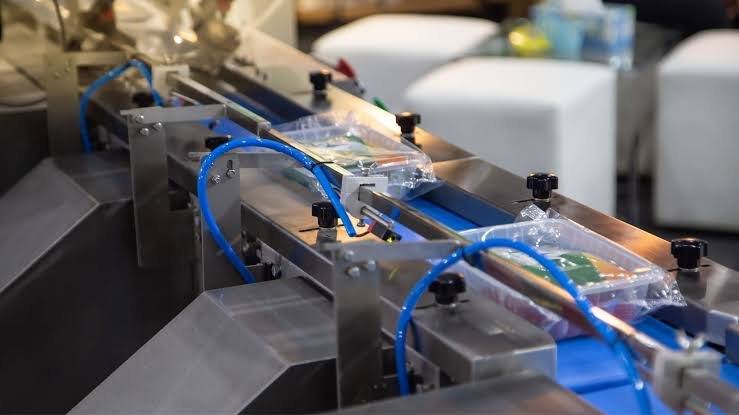
A flow wrapping machine is one of the most popular packaging solutions used in modern manufacturing. It helps businesses package products quickly, safely, and efficiently. Whether you produce food, medical supplies, cosmetics, or consumer goods, this machine ensures your products remain protected while looking attractive on store shelves.
Flow wrapping technology has become an essential part of automated packaging systems because it increases production speed and reduces labor costs. Manufacturers around the world rely on these machines to maintain product quality while meeting growing customer demand. In this guide, you’ll learn how a flow wrapping machine works, its benefits, applications, maintenance tips, and how to choose the best model for your business.
What Is a Flow Wrapping Machine?
A flow wrapping machine is an automated packaging machine designed to wrap products in flexible plastic film. The machine forms a sealed package around the product by creating a continuous tube of film and sealing it on three sides.
This packaging method is commonly called horizontal flow wrapping because the product moves horizontally through the machine. The finished package protects the item from moisture, dust, and contamination while providing an attractive appearance.
Flow wrapping machines are widely used because they can package thousands of products every hour with consistent quality and minimal waste.
How Does a Flow Wrapping Machine Work?
The working process of a flow wrapping machine is simple yet highly efficient.
The product first enters the conveyor system. A roll of packaging film feeds into the machine and wraps around the product. The film is shaped into a tube while the product continues moving forward.
Next, the longitudinal seal closes the film along its length. Finally, cross-sealing jaws seal and cut the package at both ends, producing a completely wrapped product.
This continuous packaging process allows manufacturers to achieve high production speeds while maintaining consistent package quality.
Main Components of a Flow Wrapping Machine
A modern flow wrapping machine includes several important components that work together for efficient packaging.
- Product infeed conveyor
- Film roll holder
- Film forming box
- Longitudinal sealing unit
- Cross sealing jaws
- Cutting mechanism
- Touchscreen control panel
- Sensors for product detection
- Servo motors for accurate positioning
- Discharge conveyor
Each component plays a crucial role in ensuring smooth operation and precise packaging.
Types of Flow Wrapping Machines
Different industries require different packaging solutions. Therefore, several types of flow wrapping machine models are available.
Manual Flow Wrapping Machines
These machines require operator assistance and are suitable for small businesses with limited production volumes.
Semi-Automatic Flow Wrapping Machines
Semi-automatic models increase productivity while still requiring some manual loading.
Fully Automatic Flow Wrapping Machines
These machines provide complete automation, making them ideal for high-volume production facilities.
High-Speed Flow Wrapping Machines
Designed for large factories, these machines can wrap hundreds of products per minute with exceptional accuracy.
Benefits of Using a Flow Wrapping Machine
Investing in a flow wrapping machine offers many advantages for manufacturers.
Increased Production Speed
Automated packaging significantly increases production output compared to manual packaging methods.
Lower Labor Costs
Automation reduces the need for manual labor, helping businesses save money over time.
Consistent Packaging Quality
Every package is sealed with the same level of precision, improving product presentation.
Better Product Protection
The packaging protects products from moisture, dust, and physical damage during transportation.
Reduced Material Waste
Modern machines optimize film usage, reducing packaging material costs.
Improved Hygiene
Minimal human contact makes flow wrapping ideal for food and pharmaceutical products.
Industries That Use Flow Wrapping Machines
Many industries rely on flow wrapping machine technology because of its flexibility and efficiency.
Some of the most common industries include:
- Food and beverage
- Bakery products
- Confectionery
- Frozen foods
- Fresh produce
- Medical devices
- Pharmaceutical products
- Personal care items
- Household products
- Electronics
- Stationery
- Hardware
These industries benefit from fast, reliable, and attractive packaging solutions.
Products Suitable for Flow Wrapping
A flow wrapping machine can package a wide variety of products.
Examples include:
- Chocolate bars
- Biscuits
- Bread
- Cakes
- Candy
- Soap bars
- Toothbrushes
- Surgical masks
- Medical kits
- Mobile accessories
- Batteries
- Toys
- Energy bars
- Noodles
- Fresh vegetables
- Frozen foods
Its versatility makes it one of the most widely used packaging machines worldwide.
How to Choose the Right Flow Wrapping Machine
Selecting the right flow wrapping machine depends on several important factors.
Production Capacity
Determine how many products you need to package each hour.
Product Size
Choose a machine compatible with your product dimensions.
Film Compatibility
Ensure the machine supports the packaging films you intend to use.
Automation Level
Select manual, semi-automatic, or fully automatic equipment based on your production requirements.
Budget
Compare machine features while considering long-term operating costs instead of only the purchase price.
Maintenance Support
Purchase from a reputable manufacturer that offers spare parts and technical support.
Maintenance Tips for Long-Term Performance
Proper maintenance keeps your flow wrapping machine operating efficiently for many years.
Follow these maintenance tips:
- Clean sealing jaws regularly.
- Inspect belts and conveyors.
- Lubricate moving parts.
- Replace worn cutting blades.
- Check electrical connections.
- Monitor film alignment.
- Keep sensors clean.
- Update software when available.
- Schedule preventive maintenance.
- Train operators properly.
Routine maintenance reduces unexpected downtime and extends machine life.
Common Challenges and Their Solutions
Even the best flow wrapping machine may experience occasional issues.
Poor Sealing
Adjust the sealing temperature and pressure.
Film Wrinkles
Check film tension and alignment.
Product Misalignment
Inspect the conveyor system and product guides.
Inconsistent Package Length
Calibrate sensors and servo motors.
Machine Downtime
Perform regular maintenance and replace worn components promptly.
Addressing problems early prevents costly production delays.
Future Trends in Flow Wrapping Technology
Packaging technology continues to evolve rapidly. Future flow wrapping machine innovations focus on improving efficiency, sustainability, and automation.
Some emerging trends include:
- Artificial intelligence for predictive maintenance
- Smart IoT monitoring systems
- Eco-friendly packaging materials
- Energy-efficient servo motors
- Vision inspection systems
- Touchscreen automation
- Remote diagnostics
- Faster production speeds
- Reduced packaging waste
- Fully integrated production lines
These advancements help manufacturers improve productivity while reducing operating costs.
Conclusion
A flow wrapping machine is an essential investment for businesses looking to improve packaging speed, product protection, and operational efficiency. Its ability to package a wide variety of products makes it one of the most versatile machines in modern manufacturing.
By choosing the right machine, performing regular maintenance, and adopting the latest automation technologies, businesses can increase productivity while reducing costs. Whether you operate a small production facility or a large manufacturing plant, a reliable flow wrapping machine can help you deliver high-quality packaged products that meet customer expectations.


Stacie Zabka: Life, Family, and Public Profile

HappyMod: A Complete Guide to the Popular Modded App Platform

Kicker and Kicker Online: A Complete Guide to Football Gaming and Entertainment

Gareth Varey: The Architect of Modern Artist Management

Liza Tarbuck Illness: Health, Career, and Public Awareness

son simon now simon anthony blackburn: From Celebrity Son to Private Life
-
 Fashion7 months ago
Gareth Varey: The Architect of Modern Artist Management
-
 CALEBRITIES8 months ago
Liza Tarbuck Illness: Health, Career, and Public Awareness
-
 Business8 months ago
son simon now simon anthony blackburn: From Celebrity Son to Private Life
-

 Politics7 months ago
Jeffrey Donaldson Daughter Claire: Family Life, Privacy, and Personal Influence
-

 Entertainment8 months ago
Alice Bhandhukravi Illness: Separating Fact from Rumor and Understanding Her Health Status
-

 Politics8 months ago
Piers Pottinger: A Comprehensive Profile of a PR and Corporate Communications Veteran
-

 Business8 months ago
Is Peter Cardwell Married? A Deep Dive Into His Life, Career, and Personal Relationships
-

 Sports7 months ago
Desislava Bozhilova Married: Exploring Public Curiosity and a Strongly Guarded Private Life